Cricket Infestation: How to Spot and Stop Them Fast
Learn how to handle a cricket infestation with simple, effective tips. Discover signs, causes, and ways to prevent future problems.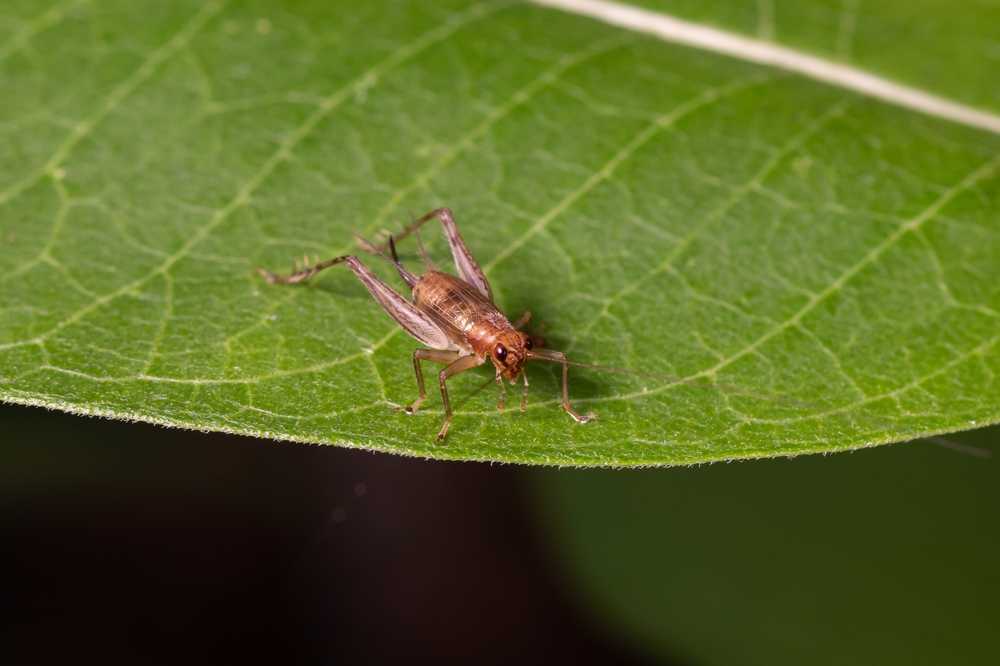
Top Signs of a Cricket Infestation and How to Get Rid of Them
Persistent chirping at night and seeing crickets indoors? You probably have a cricket infestation. Learn the main signs and effective solutions in this article.
- Crickets invade homes seeking warmth, moisture, and food, often attracted by organic materials and high humidity areas.
- Key signs of a cricket infestation include chirping sounds, visual sightings, and droppings, necessitating early detection for effective management.
- Preventive measures like sealing entry points, reducing moisture, and maintaining yard care are essential to deter cricket infestations and manage them long-term.
Causes of Cricket Infestations
Crickets usually enter homes looking for warmth, moisture, and easy food sources, especially during extreme heat or changing weather. Damp areas like basements, bathrooms, crawl spaces, and spots near leaky pipes or standing water can attract them. They may also be drawn to organic materials and food sources such as crumbs, pet food, and stored grains.
The most common signs of a cricket problem include persistent chirping at night, repeated sightings in the same areas, and small dark droppings that look like pepper or tiny pellets. You may also notice crickets gathering near outdoor lights or hiding in cool, humid indoor spots like under appliances, behind furniture, or along baseboards. If you consistently hear chirping or keep seeing crickets in the same location, a nest or moisture source is likely nearby.
Common Cricket Species in Homes
Among the various cricket species that can infest homes, house crickets and field crickets are the most common. Key characteristics of house crickets include:
- Typically measuring between 19 to 25 mm in length
- Attracted to warm, dark areas within homes
- Capable of reproducing indoors, leading to persistent infestations
- Producing a more high-pitched chirping sound compared to the screeching calls of male field crickets
Field crickets generally have the following characteristics:
- Darker coloration, often jet-black or dark brown
- Chirping that is less high-pitched
- Chirping can occur both day and night
- Brown or black color
In contrast, house crickets are light yellowish-brown. These differences help in identifying the type of cricket infestation you might be dealing with.
Camel crickets are another species often found in homes. Known for their long legs and wingless bodies, these crickets prefer cool, damp environments and are often found in dark spaces within homes. Crickets are primarily nocturnal, with most activity occurring during the night for both hunting and mating.
Impact of Cricket Infestations
Cricket infestations can have several detrimental effects on your home and health, including:
- Consuming natural and synthetic fibers, posing a risk to household textiles and upholstery
- Causing damage to clothes, curtains, and even wooden surfaces as they chew on various household items
- Damaging food items and fabrics, which can indicate a cricket problem
Beyond physical damage, crickets can pose health risks. Accumulated cricket droppings can harbor harmful bacteria that may affect humans. Additionally, crickets can carry parasites and bacteria that are harmful to health.
The persistent noise of crickets can lead to disrupted sleep and elevated stress levels for homeowners. Experiencing a cricket infestation can make you feel a loss of control over your living environment due to the overwhelming presence of these pests.
Effective Strategies to Get Rid of Crickets
Cricket control works best when you combine moisture control, exclusion, and targeted treatments. Start with DIY traps and cleanup, then call a professional if activity persists.
DIY Methods
Quick action when noticing a cricket infestation is necessary to prevent their numbers from increasing and issues from worsening. One effective DIY method is using molasses traps. The sweet smell of molasses attracts crickets, making it a reliable bait. Mix three tablespoons of molasses with two cups of water in a mason jar to create a trap. Place the jar in areas where crickets are active so they get drawn to the molasses and trapped.
A vacuum cleaner can also be used to get rid of crickets and prevent further infestation by removing eggs. Remember to empty the vacuum outdoors after vacuuming areas with crickets to avoid reinfestation.
Sticky traps are another useful tool for quickly removing crickets from your home. Place them in areas where you have noticed cricket activity. These DIY methods, home remedies, and all-natural measures can be effective in managing cricket infestations without the need for harsh chemicals.
Professional Pest Control
When DIY methods fail or if there is an overwhelming number of crickets, homeowners should consider calling professional pest control. Professional services can provide thorough inspections and targeted treatments to ensure a pest-free environment. If natural methods for cricket control are insufficient, chemical insecticides may be necessary.
Preventing Future Cricket Infestations
Prevention works best when you block entry points and reduce moisture. Seal gaps around doors, windows, foundation cracks, and utility lines with caulk and weather stripping, and add door sweeps to close gaps under exterior doors. Fix leaks, clean gutters, eliminate standing water, and use a dehumidifier in damp areas to keep indoor humidity low.
Outdoor maintenance also helps. Mow regularly, trim vegetation away from the foundation, and remove debris, leaf piles, and clutter where crickets hide. Store firewood and trash away from the home, and switch outdoor lights to yellow LED bulbs to reduce the insects that attract crickets.
With consistent prevention and quick action when signs appear, you can reduce cricket activity and keep your home quieter and pest-free. If crickets keep returning despite these steps, professional help can identify the source and stop the problem at its root.
Frequently Asked Questions
What attracts crickets to my home?
Crickets are drawn to your home due to warmth, moisture, and available food sources like grains, fruits, vegetables, and pet food. Ensuring your home is dry and food is stored properly can help keep them away.
How can I identify a cricket infestation?
To identify a cricket infestation, look for continuous chirping, large numbers of crickets, droppings, and eggs in dark, humid places. Taking prompt action is essential to manage the situation effectively.
What are the common species of crickets found in homes?
House crickets, field crickets, and camel crickets are the most common species found in homes. These species often seek shelter indoors, especially in warmer months.
What are the impacts of a cricket infestation?
A cricket infestation can lead to significant damage to textiles, food, and household items, while also posing health risks and contributing to stress from their incessant noise. Addressing the infestation promptly is essential to mitigate these impacts.
When should I call professional pest control for a cricket infestation?
Call professional pest control for a cricket infestation if your attempts to manage the issue yourself have not worked or if the number of crickets is overwhelming. Their expertise will provide effective solutions.