Are Millipedes Harmful to Humans? What You Should Know
Wondering if millipedes are dangerous? Learn the truth about their harmless nature, defense spray, and how to keep them away.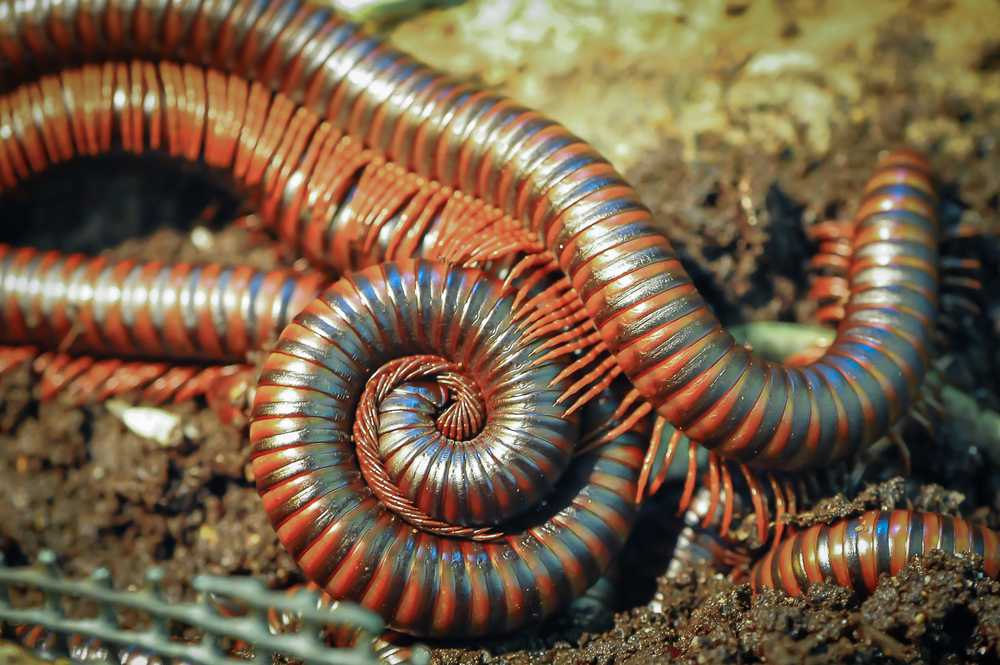
Are Millipedes Dangerous to Humans? What You Need to Know
Are millipedes dangerous to humans? Generally, no. Millipedes do not bite or sting, but their secretions can irritate the skin. This article will explain millipede behavior, defense mechanisms, and safe handling practices.
- Millipedes are generally harmless to humans; they do not bite or sting, but their secretions can cause mild skin irritation.
- Preventing millipede infestations involves sealing entry points, reducing humidity, and maintaining a clean environment, while using natural deterrents can help keep them away.
- Millipedes play a crucial ecological role by decomposing organic matter, enriching the soil, and promoting healthy plant growth in their habitats.
Understanding Millipedes
Millipedes belong to the class Diplopoda. They are fascinating arthropods. These creatures have segmented bodies, typically long and cylindrical, often dark brown in color. Each segment usually houses two pairs of legs, giving them their distinctive multi-legged appearance. Unlike centipedes, which have a single pair of legs per segment, millipedes are built for stability rather than speed.
Millipedes thrive in a moist environment rich in decaying organic matter. You’re likely to find them in dark and damp places such as under logs, stones, and leaf litter. These habitats provide the ideal conditions for millipedes to feed and reproduce. Their preference for these environments distinguishes them from other arthropods like centipedes, which are often found in drier and more varied habitats.
The presence of millipedes is often an indicator of a healthy ecosystem. They play a vital role in breaking down decaying organic matter, contributing to soil health and nutrient cycling. Understanding these creatures and their natural habitats can help prevent millipedes from becoming unwelcome guests in your home.
Are Millipedes Harmful to Humans?
So, are millipedes dangerous to humans? Generally speaking, millipedes are harmless. Unlike centipedes, which can bite and inject venom, millipedes do not bite or sting. Instead, they have a unique defense mechanism: they secrete fluids containing compounds such as alkaloids and hydrogen cyanide to deter predators. While these secretions can be toxic to small animals, they are usually not harmful to humans.
However, contact with millipede secretions can cause temporary skin irritation. Symptoms may include redness, itching, and in some cases, allergic reactions such as swelling or hives. Certain millipede species produce secretions that contain quinones, which can lead to skin discoloration upon contact. Despite these potential irritations, millipedes do not pose a significant health risk to humans.
When threatened, millipedes will curl up into a tight coil and release a foul-smelling fluid. This behavior is quite different from centipedes, which tend to bite and flee when disturbed. Understanding these defensive mechanisms can help mitigate any concerns about the dangers millipedes may pose to humans.
Millipede Toxins
Millipede toxins are fascinating yet relatively harmless to humans. These toxins are secretions that can irritate upon contact. The primary components of these secretions include alkaloids and hydrogen cyanide, which are potent enough to deter predators but usually not strong enough to cause serious harm to humans.
Contact with millipede secretions can result in skin irritation, chemical burns, and skin discoloration. If you come into contact with these secretions, it is advisable to wash the affected area with soap and water to minimize irritation. In some cases, applying a mild corticosteroid cream can help alleviate symptoms.
It’s important to note that while millipede secretions can cause discomfort, they are not venomous. Millipedes do not bite or sting, unlike centipedes, which can deliver painful bites. Understanding the nature of millipede toxins can help you handle these creatures safely and with confidence.
Handling Millipedes Safely
Handling millipedes requires a gentle touch and some precautionary measures. Certain millipede species can secrete irritating fluids that may cause minor skin irritation, so it’s advisable to wear gloves when handling them. These defensive fluids are pungent and can be irritating to the skin and eyes, making gloves an essential part of safe handling.
When interacting with millipedes, always wash your hands thoroughly before and after to maintain cleanliness and prevent potential skin irritation. Handling them gently is crucial to minimizing stress on the millipedes and avoiding any harm. Avoid pinching their bodies and keep them away from bright lights, as they are naturally more comfortable in dark environments.
Following these simple guidelines allows you to handle millipedes safely and appreciate their role in the ecosystem without causing harm to yourself or attracting millipedes.
Preventing Millipede Infestations
Preventing millipede infestations starts with making your home less inviting to these creatures. Sealing cracks and holes in your home’s foundation is crucial, as these minor openings can let millipedes find their way indoors. Regularly checking for and repairing any leaks in your plumbing can reduce humidity levels, which millipedes favor.
Maintaining a clean and dry home environment is key to preventing millipedes from taking up residence. Keeping clutter to a minimum can help deter millipedes, as they thrive in dark and chaotic spaces. Regular inspections for millipede droppings and eggs can aid in early detection of infestations.
Using natural deterrents like salt or essential oils can also help keep millipedes at bay. Sprinkling salt around the home and using essential oils like peppermint and tea tree mixed with water can repel millipedes effectively. Implementing these preventive measures can keep your home millipede-free.
How to Control Millipede Populations
Controlling millipede populations involves a combination of physical removal, encouraging natural predators, and using chemical treatments. Physical removal is straightforward but can be labor-intensive. Encouraging natural predators, such as birds and toads, can help manage millipede populations in your yard.
Chemical treatments can be effective but should be used with caution. Always follow label instructions and safety precautions when using chemical treatments for millipedes. Diatomaceous earth is another effective method; it works by dehydrating millipedes.
It’s also essential to address the root causes of millipede infestations. Millipedes thrive in areas with organic debris and may migrate indoors due to heavy rain or drought. Ensuring effective drainage in your garden can prevent millipedes from finding suitable habitats.
Benefits of Millipedes
Despite their sometimes unwelcome presence in homes, millipedes offer several ecological benefits. They primarily consume decaying materials like rotting wood and plant matter, which helps break down organic material, including compost piles, and enrich the soil. This process promotes healthy plant growth and contributes to a balanced ecosystem.
Millipedes also aerate the soil by creating channels through their burrowing activities. This aeration improves soil structure and allows for better water and nutrient penetration, benefiting plant roots. In gardens, millipedes can be beneficial by helping to decompose organic matter and maintain soil health.
Understanding the positive role millipedes play in the environment can help mitigate any negative perceptions and encourage appreciation for these often misunderstood creatures.
Commonly Found Millipede Species
Several millipede species are commonly found in various environments. Most millipedes measure between half an inch to two inches in length, though some species can grow over six inches. These species primarily feed on decaying organic matter but may also consume living plants, especially seedlings.
Identifying different millipede species can help in understanding their behavior and habitat preferences. For instance, some species are more likely to be found in moist locations, while others might prefer slightly drier conditions. Knowing the specific characteristics of the millipedes in your area can aid in effective management and appreciation of their ecological roles.
Difference Between Millipedes and Centipedes
Millipedes and centipedes are often confused due to their similar appearance, but they have distinct differences:
- Millipedes have rounded bodies, while centipedes are flatter.
- Millipedes have two pairs of legs for each body segment.
- Centipedes only have one pair of legs per segment.
These anatomical differences influence their behavior and habitat preferences.
Centipedes are generally faster and more aggressive than millipedes. They can deliver painful bites, while millipedes rely on their defensive secretions to deter predators. Understanding these differences can help in managing these creatures more effectively and reducing any unwarranted fears.
Professional Pest Control
If millipedes keep showing up indoors, especially in large numbers or after rain, professional pest control can be a smart next step. A technician can identify where they’re entering, pinpoint moisture issues that are drawing them in, and recommend practical fixes like sealing gaps, improving drainage, or adjusting landscaping near the foundation. They can also apply targeted treatments in high-risk areas when needed, without over-treating your home.
Professional help is especially useful when millipedes are a recurring seasonal problem or when DIY efforts have not reduced activity. With the right inspection and prevention plan, you can cut down on repeat invasions and keep your home more comfortable year-round.
Frequently Asked Questions
Are millipedes dangerous to humans?
Millipedes are generally harmless to humans, but their secretions may cause minor skin irritation in some individuals. Therefore, it’s best to handle them with care.
How can I prevent millipede infestations in my home?
To prevent millipede infestations, seal cracks and holes in your foundation, lower humidity levels, and consider using natural deterrents such as salt and essential oils. Taking these proactive measures can help keep your home millipede-free.
What should I do if I come into contact with millipede secretions?
If you encounter millipede secretions, promptly wash the affected area with soap and water, and consider applying a mild corticosteroid cream if irritation persists. This will help alleviate any discomfort effectively.
Are millipedes beneficial to the environment?
Millipedes are indeed beneficial to the environment as they break down decaying organic matter, which enriches the soil and promotes healthy plant growth. Their activity contributes significantly to ecosystem health.
What is the difference between millipedes and centipedes?
Millipedes are characterized by their rounded bodies with two pairs of legs per segment, whereas centipedes have flatter bodies and one pair of legs per segment, making them faster and more aggressive. Thus, the key differences lie in their body shape, leg structure, and behavior.