Diatomaceous Earth for Cockroaches: Does It Work and Is It Safe?
Learn how to use diatomaceous earth for cockroaches, how it works, and the best tips to apply it safely for fast, effective roach control.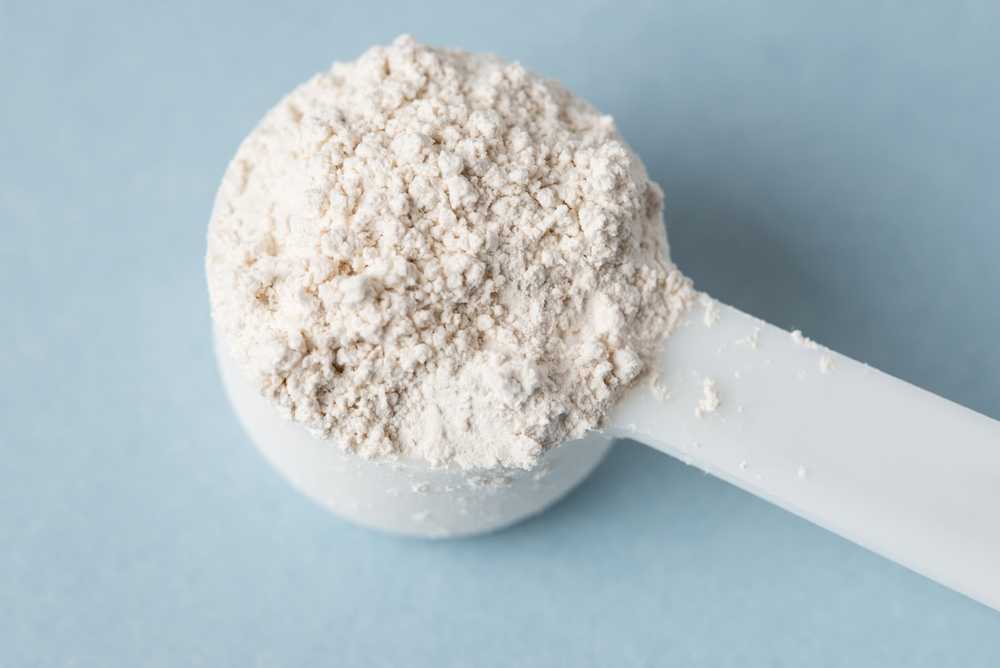
Top Tips: Using Diatomaceous Earth for Cockroaches
Struggling with cockroaches? Diatomaceous earth for cockroaches offers a natural and effective solution. Discover how to use it and what results to expect.
- Diatomaceous earth is a non-toxic, natural pest control substance that operates by mechanically damaging the exoskeletons of cockroaches, leading to moisture loss and eventual death.
- For effective application, diatomaceous earth should be strategically placed in high-traffic areas for cockroaches, and must remain dry to maintain its effectiveness.
- Regular maintenance and reapplication of diatomaceous earth are essential, alongside preventative measures such as sealing entry points and addressing moisture issues, to ensure long-term cockroach control.
What is Diatomaceous Earth?
Diatomaceous earth is a naturally occurring, non-toxic substance composed of the fossilized remains of tiny aquatic organisms called diatom. Over millions of years, these diatoms accumulated in the sediment of rivers, streams, lakes, and oceans, eventually forming the soft, powdery substance we know today. This unique material is characterized by its ability to be easily crumbled into a fine powder, making it highly effective for various applications, including pest control.
The chemical composition of diatomaceous earth is primarily silica, which makes up about 80-90% of its structure. It also contains smaller amounts of alumina and iron oxide. The silica content is particularly important because it gives diatomaceous earth its abrasive properties, which are crucial for its effectiveness as a natural insecticide. When viewed under a microscope, the fossilized diatoms reveal a unique structure with sharp edges that can penetrate the exoskeletons of insects.
There are different types of diatomaceous earth available, but for pest control purposes, it’s essential to use food-grade diatomaceous earth. This choice ensures the product is free from harmful chemicals and safe around humans and pets. Brands like Harris diatomaceous earth are well-known for their quality and effectiveness in pest control applications.
How Diatomaceous Earth Works Against Cockroaches
Diatomaceous earth controls cockroaches through a physical process rather than chemical poisoning. When a cockroach crawls through the fine dust, the microscopic edges of fossilized diatoms scratch the insect’s outer shell and damage its waxy protective coating. Without that coating, the cockroach loses moisture rapidly and eventually dies from dehydration.
Because this method relies on direct contact, placement matters. Apply diatomaceous earth in thin layers where roaches travel and hide, such as along baseboards, behind appliances, and in cracks and crevices. Once cockroaches move through the dust, dehydration begins, and they typically die over time.
Diatomaceous earth can be effective against multiple roach species, including German cockroaches, but it is not an instant-kill solution. Higher application coverage can improve results, though control usually takes days to weeks as the dust works gradually through the population.
Application Techniques
To achieve the best results with diatomaceous earth, it’s crucial to apply it correctly. The key is to place the powder in areas where cockroaches are most likely to travel. Common application sites include behind appliances, under sinks, and in cracks and crevices. These dark, moist areas are prime real estate for cockroach activity, making them ideal spots for diatomaceous earth application.
When applying diatomaceous earth:
- Use a light dusting; a thin layer is sufficient.
- Sprinkle it evenly in the targeted areas.
- Avoid excessive use, as it can deter cockroaches from crossing it and reduce effectiveness.
- Aim for a thin, even coating in the targeted areas.
Keep the application dry, as moisture can significantly reduce the effectiveness of diatomaceous earth. Wet conditions can cause the powder to clump together, diminishing its desiccating properties. If the diatomaceous earth gets wet, it may need to be reapplied once it dries out to maintain its effectiveness.
Specialized dusters or applicators can be invaluable for hard-to-reach areas. These tools allow you to apply diatomaceous earth in tight spaces where cockroaches like to hide. By ensuring thorough coverage in these areas, you can maximize the effectiveness of your cockroach control efforts.
Safety Precautions
While diatomaceous earth is a non-toxic and natural substance, certain safety precautions should be taken to ensure its safe use:
- One of the primary concerns is the potential for respiratory issues if the powder is inhaled.
- Diatomaceous earth can irritate the lungs and nasal passages, leading to coughing and shortness of breath.
- To minimize these risks, it’s essential to avoid inhaling the dust during application.
Food-grade diatomaceous earth is crucial for pest control, as it minimizes risks associated with crystalline silica, a harmful component in some industrial-grade products. Brands like Harris diatomaceous earth are specifically designed for safe use around homes and are considered safe for humans and pets.
To further protect yourself, wearing protective gear such as gloves, goggles, and a face mask is recommended. This minimizes skin and eye contact with the abrasive powder, reducing the risk of irritation. Additionally, keep children and pets away from treated areas to prevent any accidental exposure. Following these safety precautions allows for effective use of diatomaceous earth without compromising health.
Comparing Diatomaceous Earth to Other Pest Control Methods
Diatomaceous earth offers a chemical-free alternative to traditional pesticides, making it a popular option for homes with children and pets. Instead of poisoning pests, it works mechanically by damaging the insect’s exoskeleton.
The main drawback is speed. Chemical sprays may kill on contact, while diatomaceous earth takes longer to work as it dehydrates pests over time. It can also be messy and may require reapplication if it’s disturbed or washed away.
Because the dust can irritate the lungs, wear protective gear during application. Overall, diatomaceous earth is a solid choice for those who want a safer, more sustainable approach to pest control, even if it requires more patience and careful use.
Reapplication and Maintenance
Regular reapplication and maintenance are necessary for diatomaceous earth to remain effective. Moisture is one of the biggest factors that reduces performance. If diatomaceous earth gets wet, it loses its drying effect and may need to be reapplied after the area dries. This is especially important outdoors, where rain and wind can wash or blow the powder away.
Indoors, to maintain effectiveness:
- Reapply in areas where the dust has thinned out, such as high-traffic zones or recently cleaned spaces.
- Apply a thin layer only. That is enough to ensure cockroaches contact the diatoms.
- Inspect treated areas regularly to determine when reapplication is needed.
Staying consistent with monitoring and reapplication helps manage cockroach populations over time and supports long-term pest control.
Additional Tips for Cockroach Prevention
Preventing future infestations is just as important as treating an active problem. Start by blocking entry points. Screen vents and seal gaps around doors, windows, and utility lines, since these are common ways cockroaches get inside.
Regular cleaning also makes a big difference. Cockroaches are drawn to food residue, so wipe up crumbs and spills, take out trash regularly, and store food in airtight containers to limit access to easy meals.
Moisture control is another key step. Fix leaks and improve ventilation in kitchens, bathrooms, and laundry areas, since roaches rely on water sources to survive. When you combine these prevention steps with diatomaceous earth, you create a stronger, long-term strategy that helps reduce roach activity and lowers the chances of reinfestation.
Diatomaceous earth offers a natural option for cockroach control by damaging the roach’s outer coating and causing dehydration. Used alongside sealing, sanitation, and moisture reduction, it supports a healthier and more comfortable home with fewer pest problems.
Frequently Asked Questions
How does diatomaceous earth kill cockroaches?
Diatomaceous earth effectively kills cockroaches by damaging their exoskeleton, which results in dehydration and eventual death. This method is a natural and effective approach to pest control.
Is diatomaceous earth safe to use around pets and children?
Food-grade diatomaceous earth is safe for use around pets and children. It is advisable to ensure proper ventilation and avoid inhalation during application.
How often should I reapply diatomaceous earth?
Reapply diatomaceous earth whenever it becomes wet or dislodged, and conduct regular inspections of treated areas to ensure its effectiveness.
Can diatomaceous earth be used for other pests besides cockroaches?
Yes, diatomaceous earth can effectively be used against various pests such as fleas, ants, and bed bugs. Its versatility makes it a valuable tool in pest control.
What are the safety precautions when using diatomaceous earth?
When using diatomaceous earth, it is crucial to wear protective gear such as gloves, goggles, and a face mask, and to avoid inhaling the dust to prevent respiratory issues. These precautions ensure a safer experience while handling the substance.