Rat Extermination: Safe, Effective Removal and Prevention
Got rats? Learn how professional rat extermination works to remove infestations safely, prevent damage, and protect your home long-term.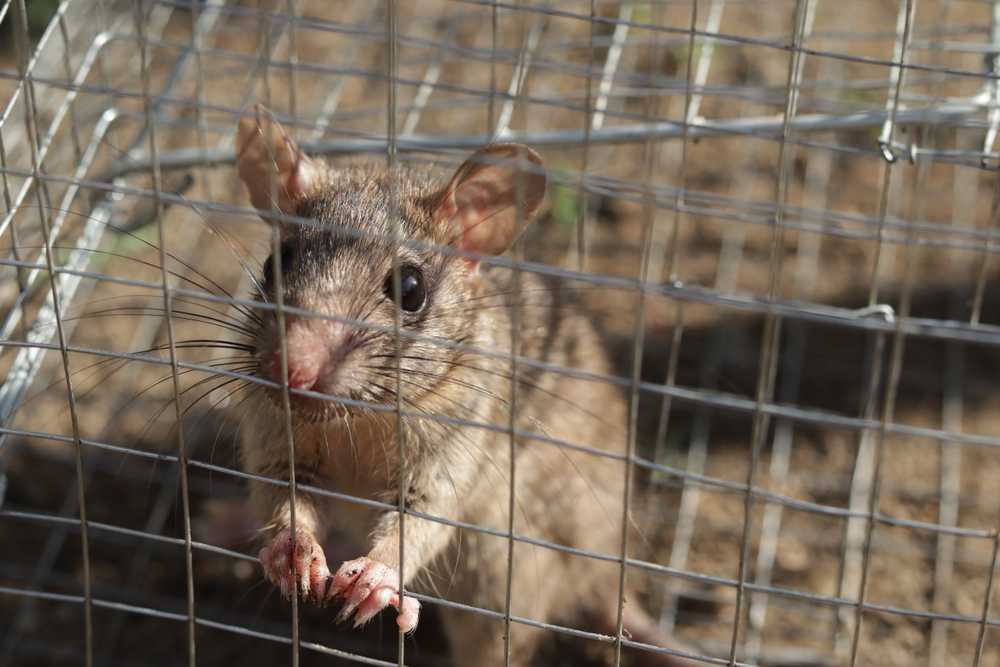
Top Rat Extermination Strategies: How to Effectively Eliminate Rodents
Got rats? Find out how to handle rat extermination quickly and effectively. This article will guide you through recognizing signs of infestations, using professional and DIY methods, and preventing future rat problems. By following these steps, you can reclaim your space from these unwelcome pests.
- Understanding the signs and types of rats is crucial for early identification and effective control of infestations.
- Professional exterminators employ a comprehensive approach including inspection, exclusion, trapping, and rodenticides to manage severe infestations.
- Preventative measures such as regular inspections and maintaining cleanliness are essential to avoid future rat infestations.
Understanding Rat Infestations
Rat infestations typically arise due to the availability of food, shelter, and water. Roof rats tend to be opportunistic and are attracted to accessible food sources like pet food, open garbage, and fallen fruit. They find shelter in dark, secluded places such as basements, attics, and piles of debris. Moreover, any leaks or standing water can also attract them, as a steady water source is vital for their survival.
These conditions create an ideal environment for rats to thrive. Once they find a suitable location, they breed rapidly, potentially leading to a large-scale infestation if not promptly addressed. Knowing these basics helps implement effective control strategies and prevent future infestations.
Signs of a rat infestation
Early identification of a rat infestation or rodent infestation can save significant trouble later. One of the most common signs is rodent droppings, typically found near food sources, in cabinets, along walls, or in hidden corners. These small, dark, pellet-shaped droppings often indicate a growing rat problem.
You may also notice gnaw marks on food items and various surfaces such as wires, cardboard, plastic, and wood. Rats have strong teeth that can chew through almost anything, including electrical wires, posing a significant fire hazard. Smudge marks on walls and floors, left by their oily fur, are another telltale sign.
Sounds such as scratching, squeaking, or scampering, particularly at night, can also indicate a rat infestation. Rats build nests using shredded paper, fabric, or plant matter in secluded areas. Discovering such nests is a clear indication that action is needed.
Types of rats
Knowing the types of rats that might infest your home aids in effective rodent control. In the United States, the two most common types are Norway rats and roof rats. The Norway rat, also known as the sewer rat, prefers ground-level habitats like basements and burrows near foundations. They are larger and more robust compared to roof rats.
In contrast, roof rats are agile climbers that prefer elevated areas such as trees and attics. They tend to consume fruits, grains, seeds, and grocery produce, while Norway rats primarily eat meat or meat-related wastes. Both types are nocturnal and reproduce quickly, potentially leading to large-scale infestations if not controlled.
Professional Rat Extermination Methods
When dealing with a severe rat infestation, professional extermination methods are often the most effective. Exterminators commonly employ:
- Advanced traps
- Rodenticides
- Tracking powder
- Fumigation
These methods are designed to thoroughly remove the rat population while minimizing harm to humans and property during the rat removal process.
A comprehensive extermination process involves a four-step procedure: inspection, exclusion, trapping, and using rodenticides. Experienced exterminators develop customized plans tailored to the specific scenario of each infestation, ensuring a thorough and effective approach. This not only addresses the current problem but also includes preventive strategies to avoid future infestations.
Using advanced technology and integrated pest management strategies, professionals can effectively monitor and control rat populations. Consulting a professional exterminator not only helps eliminate rodents but also prevents future infestations, making it a worthwhile investment.
Inspection process
The inspection process is a crucial first step in extermination. A free inspection assesses the extent of the rat problem. During this phase, exterminators examine the entire property to confirm the infestation and determine its location and severity, looking for signs such as runways, greasy marks, gnaw marks, tail drags, and footprints.
They may use advanced tools like UV rodent trackers to identify hidden areas where rats might be nesting. Regular inspections help identify new entry points and ensure that the property remains secure.
Exclusion techniques
Exclusion techniques prevent rat infestations by addressing key entry points and food sources. Exterminators seal cracks and crevices to keep rats from entering, using materials such as metal or concrete that rats cannot easily chew through.
Eliminating potential food sources is also vital. This involves keeping food storage areas clean, securing garbage cans, and properly storing pet food. These measures significantly reduce your property’s attractiveness to rats and help keep your home secure.
Trapping and baiting
Trapping and baiting are highly effective rat removal methods. Exterminators use snap traps and rat traps, which kill rats instantly, and glue traps, which capture them alive but immobilize them. The choice of bait is critical, with peanut butter and chocolate being commonly used because they are irresistible to rats.
Tamper-resistant bait stations are recommended for outdoor use to protect non-target animals and children. These stations ensure that the bait is accessible only to rats, reducing the risk of accidental poisoning, and are particularly effective for controlling rodent populations around the property’s exterior.
Strategically placing traps and bait stations based on rat movement patterns maximizes their effectiveness. This targeted approach quickly reduces the rat population and helps prevent further infestations.
Use of rodenticides
Rodenticides are another powerful tool in professional rat control. These chemical agents are designed to kill rats quickly and efficiently, but their controlled application is crucial to minimize risks to non-target species, such as pets and wildlife. To effectively control rodents, it is important to follow safety guidelines.
Exterminators use rodenticides as part of a comprehensive removal process, often alongside methods like trapping and exclusion. By placing rodenticides in tamper-resistant bait stations, professionals ensure the chemicals are accessible only to rats, reducing the risk of accidental exposure.
DIY Rat Control Solutions
For those who prefer a hands-on approach, DIY solutions can effectively manage minor infestations. Common methods include using baits, traps, and poison. However, DIY techniques can sometimes be ineffective or hazardous if not used properly.
The effectiveness of DIY methods varies with the technique employed. Regular cleaning routines and proactive strategies, like sealing entry points, are vital for long-term control. These measures help deter rats from returning and reduce the likelihood of future infestations.
Homemade traps and repellents
Homemade traps and repellents can be cost-effective for controlling rat populations. Simple traps, like bucket or snap traps, can be made using household items. Natural repellents like peppermint oil are also effective because their strong scent is unpleasant to rats.
Positioning traps strategically based on rat movement patterns maximizes their effectiveness. Placing traps along walls, near food sources, and in other high-traffic areas increases the likelihood of capturing rats and reducing their numbers.
Proper food storage
Proper food storage is crucial for preventing infestations. Using airtight containers significantly reduces the chances of attracting rats. Plastic or glass containers are preferable as they are more difficult for rats to chew through.
Proper storage of pet food and securely closed garbage cans also help deter rats from entering your home.
Maintaining cleanliness
Maintaining cleanliness is vital in combating rat infestations. Regular cleaning minimizes food sources that attract rats and reduces hiding places where they might nest. Prompt waste disposal and proper food storage are key strategies for creating an environment unfriendly to rats.
Combined with regular inspections, these measures help keep your home rat-free.
Preventative Measures to Avoid Future Infestations
Preventative measures are crucial for avoiding future infestations. Regular cleaning eliminates food sources and hiding spots, making your home less attractive to rats. Sealing pet food, storing food in airtight containers, and cleaning counters effectively manage food sources.
Neglecting preventative measures can lead to a recurring problem, as rats may return. Many customers appreciate thorough follow-up services after initial extermination, underscoring the importance of ongoing prevention.
Regular inspections
Regular inspections are key to effective rodent control. Annual inspections check for signs of infestation and seal entry points before they become a problem. Professionals monitor for new invasions and ensure the building’s structural integrity is maintained.
Neglecting regular inspections allows rats to exploit weaknesses in your property, increasing the risk of infestation. Staying vigilant and conducting routine checks prevents rodents from establishing a foothold in your home.
Structural maintenance
Structural maintenance is vital for preventing infestations. Sealing all entry points, including small holes and cracks, blocks rats from entering your home.
Complete rat-proofing can be time-consuming and costly, but it is essential for securing your property.
Landscaping tips
Proper landscaping plays a significant role in deterring rats. Creating a clear zone around the property without dense vegetation makes it less attractive to rats.
Keeping grass and shrubs trimmed and maintaining a tidy yard minimize rat attraction and help prevent shelter near your home. These simple landscaping strategies significantly contribute to keeping rats at bay.
Risks Associated with Rat Infestations
Rat infestations pose serious risks to both health and property. Rats significantly contaminate food, leading to various health risks. They transmit diseases such as leptospirosis, bubonic plague, and hantavirus, which can have severe consequences for humans. Living in areas with a rat infestation often means dealing with unsanitary conditions, increasing the risk of disease transmission.
Beyond health risks, rats cause substantial property damage. They chew through wires, wooden beams, and even metal or plastic pipes, leading to structural damage and potential fire hazards. This destruction can result in costly repairs and increased energy costs due to damaged insulation.
Health risks
Rats are notorious carriers of many diseases, posing significant health risks to humans. They transmit diseases like leptospirosis, bubonic plague, and hantavirus, which can be life-threatening if not treated promptly. These diseases often spread through rat urine, droppings, and saliva, contaminating food sources and surfaces in your home.
When dealing with areas contaminated by rats, taking preventive measures is crucial to avoid spreading diseases. Using rubber latex and vinyl gloves while cleaning protects against direct contact with contaminated surfaces. Proper hygiene and sanitation practices are essential in minimizing health risks.
Property damage
Rats cause extensive property damage by chewing through various materials. They can damage electrical wires, wooden beams, and even metal or plastic pipes, leading to serious structural damage and fire hazards. Additionally, rats destroy insulation, resulting in increased energy costs and reduced home comfort.
Addressing these issues promptly is vital to prevent further damage and maintain the safety of your property.
When to Call a Professional Exterminator
Knowing when to call a professional exterminator is important when dealing with a rat infestation. If you see a rat or notice signs such as droppings or gnaw marks, contact a rat removal service or pest control expert right away. Homeowners should also watch for other pest activity, such as mud tubes or sandy structures hanging from ceilings, which may point to a termite issue. Acting quickly can help prevent the problem from getting worse and reduce extermination costs.
Professional exterminators can create a rodent control plan based on your specific situation. They assess the severity of the infestation, remove rats effectively, and help prevent future invasions. Professional treatment often provides a more complete and lasting solution.
Severe Infestations
Severe infestations need immediate professional attention. If there are large numbers of rats or multiple colonies, exterminators may need stronger treatment methods. The extermination process often takes about two to three weeks, depending on the size of the area and the severity of the infestation.
Calling a rat removal service as soon as you notice signs of a serious problem can help prevent further damage and health risks. Larger infestations can also increase extermination costs, making early action even more important.
Ineffective DIY Efforts
Many homeowners try DIY rat control methods first, but these efforts do not always solve the problem. If DIY methods are not working, it is best to call a professional.
Rat extermination costs vary based on the severity of the infestation, but professional services are designed to address the source of the problem and provide a more thorough solution.
Handling a rat infestation requires identifying the signs, understanding the type of rat involved, and using the right extermination and prevention methods. DIY solutions may help in some cases, but knowing when to call a professional can save time, money, and reduce health risks.
By using the strategies covered in this article and seeking professional help when needed, you can eliminate rats and help prevent future infestations. Do not let rats take over your home—take action now to protect your health and property.
Frequently Asked Questions
What are the common signs of a rat infestation?
Common signs of a rat infestation are rodent droppings, gnaw marks on food and surfaces, smudge marks, scratching noises, and nests made from shredded materials. If you notice these signs, it’s important to take action promptly.
What types of rats are most commonly found in homes?
Norway rats and roof rats are the most common types found in homes, with Norway rats typically residing at ground level and roof rats favoring elevated spaces. It’s important to address any infestations promptly to maintain a healthy living environment.
What are some effective DIY rat control solutions?
Effective DIY rat control solutions include using baits and traps, applying natural repellents like peppermint oil, storing food in airtight containers, and maintaining cleanliness to deter their presence. Implementing these strategies can significantly reduce the likelihood of a rat infestation.
When should I call a professional exterminator for a rat infestation?
You should call a professional exterminator immediately if you observe severe signs of a rat infestation, such as large colonies or property damage, or if your attempts to manage the situation are unsuccessful.
What services does Responsible Pest and Scorpion Control offer?
Responsible Pest and Scorpion Control offers comprehensive residential and commercial pest control services, including rat removal and prevention, primarily in the Greater Metro Phoenix, Mesa, and Tucson areas of Arizona.