Termite Droppings: How to Identify Them and What They Mean
Learn how to identify termite poop, what it looks like, and why it matters for spotting an infestation before it causes serious damage.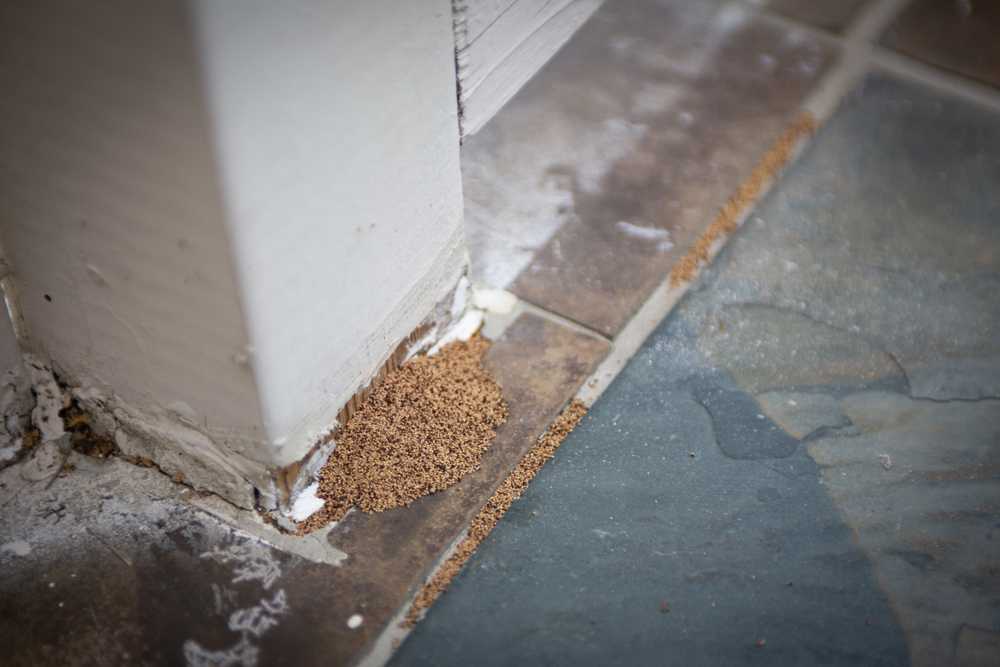
Termite Poop: Identifying and Understanding Termite Droppings
Termite poop, or termite frass, looks like tiny, oval termite pellets ranging from light beige to black. Typically found near wooden frames and infested wood, these droppings are a clear sign of an active termite infestation. This article will guide you on identifying termite droppings, where to find them, and the best course of action to rid your home of these wood-destroying pests.
What Is Termite Poop?
Termite droppings, commonly referred to as frass, are tiny pellets that termites expel as they consume digested wood. These droppings are a telltale sign of an active termite infestation. When you find termite frass around your home, it indicates that termites are currently feeding on wooden frames or infested wood and pushing out their excrement to keep their nests clean.
Identifying termite droppings early can be crucial in preventing costly repairs and structural damage. Termites are meticulous about cleanliness and eject their droppings through kick-out holes in the wood they infest. This behavior not only maintains the hygiene of their nests but also provides a clear indicator of their presence.
Ignoring termite droppings can allow termites to wreak havoc on your home, causing damage that may require expensive termite control treatments. Therefore, recognizing these droppings is the first step in addressing a potential termite problem and protecting your property from these destructive wood-destroying pests.
Identifying Termite Droppings
Drywood termite droppings are small, oval-shaped, and about 1 millimeter long. They often form small piles that look like ground pepper, coffee grounds, or sawdust. The drywood termite frass color varies from light beige to black, depending on the type of wood consumed.
Termite droppings look like extremely small grains of sand or dry coffee grounds. Closer inspection reveals each pellet has six concave sides and rounded tips, setting them apart from other debris. A magnifying glass can help identify these small termite pellets correctly.
Termite droppings have a distinct granular and compact texture, unlike the flaky sawdust often mistaken for them. This unique texture, along with the specific shape, helps homeowners distinguish termite frass from other materials around the house.
Common Locations to Find Termite Droppings
Termite droppings are often found near nests, wood damage, exit holes, and inside cracks. Drywood termites, in particular, expel their feces through kick-out holes they create as they clean their nests. These mounds of droppings might resemble small piles of salt, pepper, or coffee grounds beneath these exit holes.
Termite frass is commonly found around wooden frames, window sills, door frames, baseboards, and other infested wood. These areas are prime spots for infestation and droppings. Awareness of these locations aids in early detection and prompt action to prevent further termite invasion.
Differences Between Termite Droppings and Other Pests’ Excrement
Termite droppings can vary in color depending on the type of wood consumed, ranging from light beige to black. These droppings typically appear as dark grains, resembling sand, sawdust, or coffee grinds. One of the distinguishing features of termite frass is its hexagonal and granular texture, which sets it apart from sawdust.
Termite frass is finer and more compact compared to ant poop. Carpenter ants leave larger, bulkier droppings often mixed with shredded wood. Thus, termite droppings resemble grains of sand, whereas ant droppings are more substantial and less uniform.
Ants usually leave droppings at nest entries, while termites scatter theirs in various locations. This scattering makes termite droppings more widespread and less concentrated, aiding in differentiating termite infestations from other pest problems.
Health Risks Associated with Termite Droppings
Termite droppings are generally harmless, but for individuals with allergies or respiratory issues, inhaling the dust can cause asthma or bronchitis. Those with pre-existing respiratory conditions should exercise caution around termite frass.
Handling termite droppings can cause skin irritation. While termites don’t transfer diseases to humans, their droppings can introduce harmful bacteria into wounds, raising infection risks.
It is essential to take proper precautions when dealing with termite droppings to avoid any health risks.
How to Clean Up Termite Droppings
Cleaning up termite droppings requires careful handling to avoid health risks. Before starting the cleanup, it is essential to wear gloves, a mask, and eye protection to prevent contact with the droppings.
Gently sweep away droppings with a damp paper towel or disposable cloth. Vacuuming with a HEPA filter is also effective in preventing droppings from becoming airborne.
Seal the droppings in a bag and place it in an outdoor trash bin for proper disposal. These steps ensure safe removal of termite droppings without spreading harmful particles.
Other Signs of Termite Infestation
Other signs of termite infestation include visible wood damage like hollow-sounding wood or cracks, which necessitate expert evaluation. A termite invasion can be indicated by the presence of subterranean termites that create mud tunnels on exterior walls for navigation and protection from predators, as termites consume wood.
Shed termite wings near windows or doors indicate a termite swarm, signaling active reproduction and new colony establishment. Identifying these signs is crucial for early detection and intervention, preventing further property damage.
Why Immediate Action is Necessary
Termite droppings often indicate an active infestation requiring urgent attention. Swift action ensures better control over termite colonies and prevents further spread within the structure. Timely intervention is crucial to avoid severe structural issues.
Ignoring termite droppings can escalate damage and increase repair costs. Immediate action mitigates further property damage and protects your investment.
Professional Termite Control Solutions
Professional termite control is essential for managing infestations effectively. Eco-friendly treatments like the Sentricon system target subterranean termites with minimal environmental impact. DIY methods to rid termites are often ineffective; professional services guarantee better results.
If you find termite droppings, contact a pest control company for an inspection. Regular inspections ensure ongoing protection for your property.
Identifying and understanding termite droppings is crucial for early detection of termite infestations. Recognizing the appearance and common locations of termite frass can help you take prompt action. Other signs of infestation, such as mud tunnels and shed wings, also warrant immediate attention.
Taking swift action and seeking professional termite control solutions can prevent extensive damage and protect your property. Don’t wait until it’s too late—contact experts to ensure your home remains termite-free.
Frequently Asked Questions
What does termite droppings look like?
Termite droppings, also known as frass, resemble sawdust and can range in color from beige to brown and black, depending on their age. If you encounter materials that appear like this, it might indicate a termite infestation.
How do you identify termite frass?
To identify termite frass, look for small, oval-shaped pellets about one millimeter long, which are uniform in size and typically found near kick-out holes in wood. Unlike sawdust, termite frass has concave sides and rounded ends, making it distinct.
Where are common locations to find termite droppings?
Termite droppings are commonly found near their nests, around damaged wood, and at entry points such as window sills and door frames. Checking these areas can help you identify a potential termite infestation.
How can you clean up termite droppings safely?
To clean up termite droppings safely, wear protective gear and use a damp paper towel or a HEPA-filter vacuum. Then, dispose of the droppings in a sealed bag placed in an outdoor trash bin. This method ensures safety and prevents further contamination.
What are the health risks associated with termite droppings?
Termite droppings pose health risks such as respiratory issues from inhaling dust and skin irritation or bacterial infections from handling them. It is important to handle them cautiously to avoid these potential health problems.