Where Do Fire Ants Live? Key Habitats Explained
Discover where fire ants live, from lawns to fields. Learn about their nests, habitats, and how they spread to protect your home.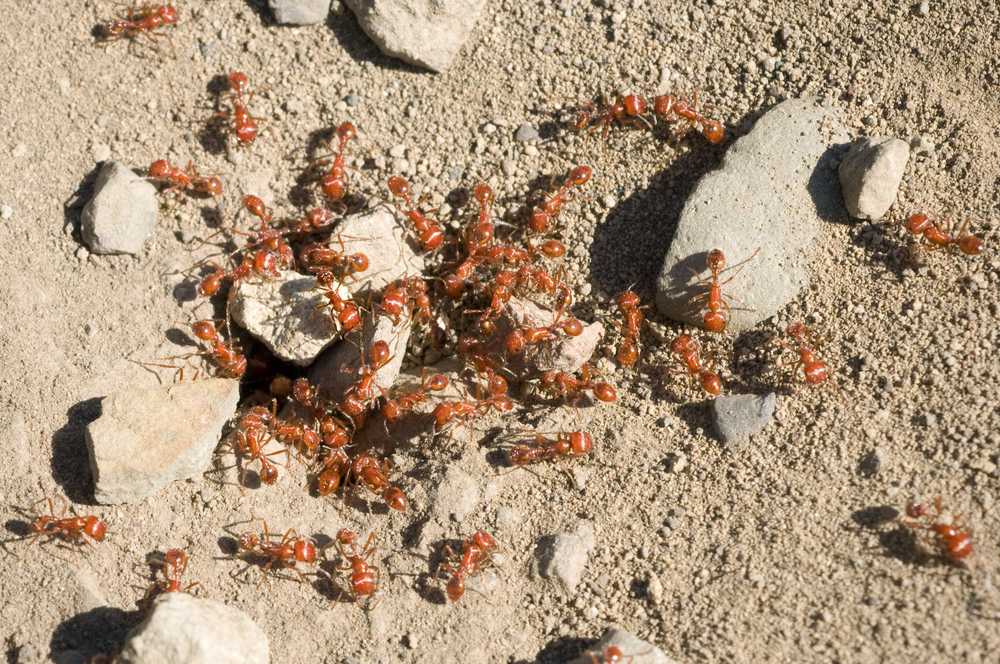
Where Do Fire Ants Live? Understanding Their Habitat and Spread
Fire ants are commonly found in open, sunny areas with loose soil, particularly in the southeastern United States, such as Texas, Florida, and Georgia. They thrive in meadows, pastures, lawns, and disturbed environments. Known for their adaptability, fire ants can spread rapidly and establish colonies in various conditions. This article will explore where fire ants live, their spread and impact, and control methods.
Natural Habitat of Fire Ants
Fire ants prefer to establish their colonies in open, sunny environments where they can thrive in a variety of soil types. Key characteristics of their habitat and behavior include:
- Meadows, pastures, and lawns are prime real estate for these ants, as these areas offer the loose soil necessary for building their intricate mounds.
- Fire ants are particularly adaptive, retreating underground during extreme heat to avoid harsh conditions.
- They emerge to forage at night when temperatures are cooler.
The structure of fire ant mounds varies significantly based on factors like colony size, soil texture, and moisture levels. In well-maintained lawns, mounds are generally small, reaching only a few inches in height, while in neglected areas, they can grow over 18 inches tall. Environmental changes such as drought or flooding can prompt fire ant colonies to migrate in search of more suitable conditions, demonstrating their remarkable adaptability.
Recognizing the conditions that favor fire ant proliferation helps homeowners and pests control professionals better anticipate and manage infestations.
Fire Ants in the Southern United States
The southern United States, with states like Texas, Florida, Georgia, and South Carolina, offers the ideal mix of warmth and open areas in sunny areas for fire ants to thrive and reproduce rapidly in a new colony.
Fire ants are especially prevalent in disturbed environments like agricultural fields and residential areas in Texas, Florida, Georgia, and South Carolina. These states are hotspots for fire ant activity, where they often outcompete native ant species.
The red imported fire ant, a particularly aggressive fire ant species, has continued to spread westward since its introduction, reaching Texas in the 1950s and infesting the eastern two-thirds of the state. This ongoing spread highlights the resilience and adaptability of fire ants, making them a persistent challenge for residents and farmers alike.
Imported Fire Ant Spread
The red imported fire ant was accidentally introduced to the United States from South America around the 1930s. Since then, imported fire ants have infested over 260 million acres across nine southeastern states, including Texas, Florida, and Georgia. This rapid spread has been facilitated by both natural behaviors and human activities.
Natural factors such as mated queens flying or being transported by storms contribute significantly to the spread of fire ant populations. These queens can travel up to three miles during mating flights, establishing new colonies wherever they land. Additionally, human activities such as the movement of soil or agricultural products can inadvertently transport fire ants to new areas.
The spread of fire ants is a testament to their adaptability and resilience. Learning how these ants migrate and establish new colonies aids in developing more effective control strategies, reducing their impact on affected regions.
Types of Fire Ant Mounds
Fire ant mounds are typically built in exposed, sunny locations and can vary significantly in height and structure based on environmental conditions. These mounds are often found in parks, playgrounds, and agricultural fields, where they can be a nuisance to humans and animals alike. The new mound can appear rapidly after rainfall or irrigation, resembling fluffy piles on the ground.
Fire ant mounds have the following characteristics:
- In well-maintained lawns, they are generally small, reaching only a few inches tall.
- In neglected areas, they can grow to over 18 inches.
- They are made from loose soil and typically resemble gopher diggings.
- They are often found in open, sunny locations.
- A distinguishing feature is the absence of visible entry or exit holes, setting them apart from other ant mounds.
The design of fire ant nests includes multiple chambers serving various purposes, such as nurseries for larvae and storage for food resources. These nests are built in well-drained soil, which helps maintain moisture levels and supports the structural integrity of their tunnels. Recognizing the characteristics and structure of fire ant mounds is key to effective control.
Underground Tunnels and Nests
Fire ants create extensive underground tunnels and nests for shelter and colony growth. These complex networks support daily activities and help them survive harsh weather and avoid predators, showcasing their adaptability.
The intricate tunnel systems of fire ants allow for effective communication and movement within the colony. These tunnels can extend several meters underground and up to 30 meters away from the nest. Internally, fire ant nests feature a network of interconnecting galleries that resemble a honeycomb structure.
The underground structures of fire ants regulate temperature and humidity, providing a stable environment essential for the brood’s development. These adaptations help fire ants thrive in a variety of environments, making them a formidable pest to control.
Fire Ant Lifecycle and Colony Structure
The lifecycle of fire ants consists of four stages: egg, larva, pupae, and adult, taking roughly one month to complete. A mature fire ant queen can be laying eggs up to 5,000 eggs daily, which is comparable to her own weight. The pupal stage lasts about 12 to 14 days, during which the ants do not feed as they transform into adults.
Fire ant colonies can have either a single queen or multiple queen colonies, impacting the number of mounds and colony size. Colonies with multiple queens tend to form more mounds, while single-queen colonies are more centralized. Male female larvae that are given more food develop into winged reproductive ants, while the rest become sterile workers.
In a typical fire ant colony, there can be up to 100,000 ants, including distinct groups with specialized roles. Worker ants perform various tasks such as:
- foraging for food
- caring for the brood
- defending the colony
Fire Ant Migration Patterns
Fire ant colonies frequently migrate to establish new mounds, often moving hundreds of feet away from their previous location. While these migrations are typically short, fire ants can relocate several hundred feet to establish new colonies. This behavior enables them to quickly colonize new areas and avoid environmental challenges.
Fire ants spread and behave in the following ways:
- They spread through natural mating flights.
- They can float to new areas during floods.
- Mated queens can travel up to three miles during mating flights to establish new colonies.
- When disturbed, fire ants quickly emerge from their mounds to defend their territory.
- They demonstrate aggressive behavior during migration.
The migration patterns of fire ants highlight their adaptability and resilience. Recognizing these patterns aids in developing more effective control strategies, reducing their impact on affected regions.
Impact on Local Ecosystems
Fire ants have the ability to rapidly overwhelm new environments by eliminating competing species and establishing large colonies. They are capable of rapidly displacing native ant species in the regions they infest. This displacement can lead to significant ecological disruptions, as fire ants outcompete native species for resources.
Fire ants prey on various ground-nesting fauna, including insects, birds, and small mammals, leading to reductions in biodiversity. Certain bird species that feed on the ground are at risk from fire ants, which may lead to declines in those populations. Additionally, fire ants are known to disturb pollinators, potentially causing long-lasting changes to the vegetation in their habitats.
The invasive nature of fire ants can disrupt local biodiversity and ecosystem balance in biology, especially since their stings can have significant effects on native species, posing a threat to ecological stability. Recognizing the ecological impact of fire ants is crucial for developing strategies to mitigate their effects.
Effective Fire Ant Control Methods
Early attempts to control fire ants in the 1960s and 1970s relied heavily on insecticides, but these efforts often failed due to fire ants’ rapid reproduction and ability to form satellite colonies. When fire ants migrate from a parent mound to establish new colonies, infestations can spread quickly. Modern control methods now address these challenges more effectively.
One widely recommended approach is the Two-Step Method, which targets fire ants at different stages of activity. Fast-acting baits reduce visible fire ant populations within days, providing quick relief. Slower-acting baits work over several weeks, allowing worker ants to carry the treatment back to the colony and eliminate the queen.
Granular insecticides should be applied evenly using a spreader and watered in according to label instructions to ensure proper activation. For properties with only a few mounds, individual mound treatments can be effective, though they require careful application and more hands-on effort.
Fire ants thrive in warm climates, particularly across the southern United States, and their adaptability makes long-term management essential. Understanding their behavior and using proven control methods greatly improves results.
By combining strategic baiting with proper application techniques, homeowners can significantly reduce fire ant populations. For persistent infestations or professional guidance, consider contacting a professional who provides specialized pest control services.
Frequently Asked Questions
How were imported fire ants introduced to the United States?
Imported fire ants were accidentally introduced to the United States from South America in the 1930s. They have since spread significantly, affecting over 260 million acres in nine southeastern states.
What are the preferred habitats of fire ants?
Fire ants thrive in open, sunny environments such as meadows, pastures, and lawns, favoring a variety of soil types.
How do fire ants impact local ecosystems?
Fire ants significantly disrupt local ecosystems by displacing native ant species, preying on ground-nesting fauna, and disturbing pollinators, which ultimately reduces biodiversity and alters ecosystem balance. Their presence can lead to detrimental changes in habitats and species dynamics.
What is the Two-Step Method for fire ant control?
The Two-Step Method for fire ant control consists of using both fast-acting and slower-acting baits to effectively manage colonies; the fast-acting baits provide quick elimination while the slower ones ensure lasting control. This dual approach maximizes the effectiveness of the treatment.
What areas does Responsible Pest & Scorpion Control serve?
Responsible Pest & Scorpion Control serves the Greater Metro Phoenix, Mesa, and Tucson areas in Arizona.