Tarantula Hawk Wasp: Facts, Sting, and Behavior Guide
Learn about tarantula hawks, their powerful sting, hunting habits, and how to identify these large wasps in your area safely.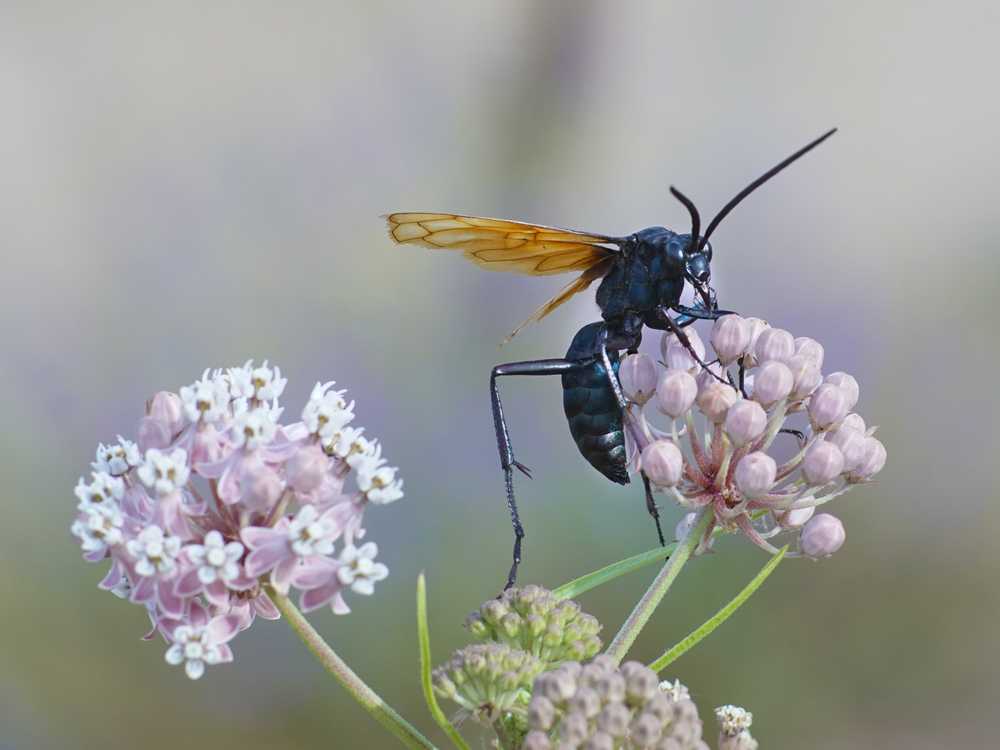
Tarantula Hawks: The Fearsome Wasps with the Most Painful Sting
Tarantula hawks are spider wasps that belong to the Pompilidae family. They are renowned for their excruciatingly painful sting and unique hunting strategy that targets tarantulas. Their striking appearance features a black body, bright orange wings, and long legs equipped with hooked claws, making them easily recognizable in their natural habitats.
- These wasps have black bodies with bright orange wings and use their powerful sting to hunt tarantulas as prey for their larvae.
- Female wasps hunt tarantulas and lay a single egg on the spider’s abdomen; after the egg hatches, the larva feeds on the still living tarantula while avoiding vital organs to keep it alive.
- While their sting is among the most painful in the insect world, these wasps are generally non-aggressive toward humans unless provoked.
Meet the Tarantula Hawk Wasp
There are many species within the genera Pepsis and Hemipepsis, with Pepsis grossa and Pepsis thisbe being the most common. These spider wasps can grow up to 11 centimeters long. Some species have black wings, while others display their characteristic bright orange wings, which act as aposematic signals warning potential predators.
Female wasps use their powerful sting to paralyze tarantulas before dragging the spider alive to their underground brooding nest. Their long legs, equipped with hooked claws, allow them to maintain a firm grip on their prey during transport. This hunting behavior highlights their role as formidable predators in their ecosystems.
The Life Cycle of a Tarantula Hawk
Adult wasps feed on nectar, but only females hunt tarantulas to provide food for their offspring. After locating a tarantula, the female delivers a venomous sting that paralyzes the spider, leaving it alive. The wasp then drags the immobilized spider to a burrow or brooding nest and lays a single egg on the spider’s body.
Once the egg hatches, the larva burrows into the spider’s abdomen and begins feeding on its tissues and haemolymph, carefully avoiding vital organs to keep the spider alive for several weeks. This gruesome feeding strategy ensures a fresh food supply until the larva pupates and eventually emerges as an adult wasp.
Female Tarantula Hawks and Their Prey
Female wasps predominantly target female tarantulas near their burrows. Using their powerful sting and clawed legs, they overpower the spider, making escape impossible. The venom permanently paralyzes the tarantula, which remains alive but unable to move or defend itself.
Larva Pupates in the Spider’s Body
The larva’s feeding behavior is both brutal and efficient. By avoiding the spider’s vital organs, the larva keeps its host alive while consuming other tissues over several weeks. After this period, the larva pupates inside the spider’s body and later emerges as a fully developed adult wasp.
The Painful Sting of a Tarantula Hawk
These wasps are famous for their sting, which ranks second only to the bullet ant on Justin Schmidt’s Schmidt Sting Pain Index, developed at the American Museum of Natural History. One researcher described the sting as an “instantaneous, shockingly electric” pain that instantly incapacitates one’s ability to function, even when trying to use mental discipline to endure it.
The sensation is often compared to being struck by an electric wand delivering excruciating pain that lasts about five minutes. Despite the intense pain, the sting is not lethal to humans and serves primarily as a defense mechanism.
Are Tarantula Hawks Dangerous to Humans?
These wasps are generally docile and only sting when provoked. Their aposematic coloration—bright orange wings and black bodies—warns potential predators of their painful sting. Male tarantula hawks lack stingers and do not hunt or sting.
This natural warning system has helped them avoid many predators despite their large size and powerful sting.
Habitat and Distribution
They are found throughout the Americas, from South and Central America to the southwestern United States, including New Mexico and Arizona. Their habitats overlap with those of tarantulas, facilitating their hunting strategy. Tarantula hawks are recognized as the state insect of New Mexico, underscoring their cultural and ecological significance.
They are most active during the warmer months, when tarantulas are abundant and flowering plants provide nectar for adult feeding.
How to Manage Tarantula Hawks Around Your Home
To reduce encounters, minimize flowering plants that attract the wasps, and seal potential burrow entrances. Professional pest control services can safely remove problem wasps if necessary. DIY methods include commercial wasp sprays or homemade sugar water traps.
Since these wasps are solitary and do not build large nests, infestations are rare, and control typically focuses on preventing individual encounters.
Fun Facts About Tarantula Hawks
- They belong to the family Pompilidae and include many species.
- Their bright orange wings and black bodies serve as aposematic signals warning predators.
- Adult wasps feed on nectar, while larvae feed on the still living tarantula.
- Pepsis grossa is among the most common and largest species.
- Males do not sting and primarily focus on mating.
- Their sting is ranked second most painful among insects, just behind the bullet ant.
- They have been featured in exhibits at the American Museum of Natural History, highlighting their importance in natural history.
These remarkable wasps combine a striking appearance, powerful defense, and unique predation methods. Their life cycle, involving the larva feeding on a still living tarantula while avoiding vital organs, showcases nature’s brutal yet efficient survival tactics.
Although their sting delivers some of the most excruciating pain known, they are generally not aggressive toward humans and play an important role in maintaining ecological balance. Their presence across many regions and status as a state insect reflect their significance in natural history.
Frequently Asked Questions
Are tarantula hawks dangerous to humans?
They deliver a painful sting but are typically non-aggressive and only sting when provoked. Their sting is not lethal.
Where can tarantula hawks be found?
They inhabit the Americas, including South and Central America and the southwestern United States.
What do tarantula hawks eat?
Adults feed on nectar, while larvae feed on the bodies of immobilized tarantulas.
How can I manage tarantula hawks around my home?
Professional pest control, commercial wasp sprays, and homemade sugar water traps are effective management methods.
What makes the tarantula hawk sting so painful?
The sting delivers an instantaneous, shockingly electric pain that temporarily incapacitates one’s ability to function, as described by one researcher at the American Museum of Natural History.
What role do male tarantula wasps play?
Male tarantula hawks do not sting and focus primarily on mating behaviors.
What role do tarantula hawks play in the natural world?
They help control tarantula populations and contribute to ecosystem balance by feeding on nectar as adults.