What Do Millipedes Eat? A Simple Guide to Their Diet
Want to know what do millipedes eat? Discover their diet, from plants to decaying matter, explained in a clear and simple way.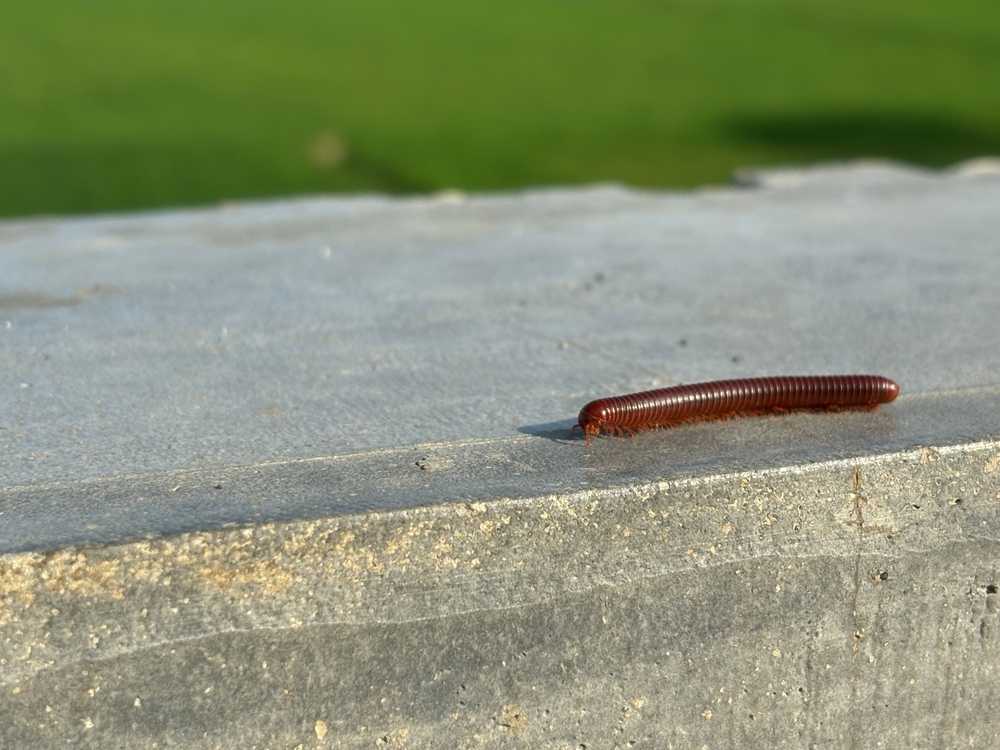
The Simple Dietary Needs of Millipedes Explained
Millipedes feed on decomposing organic materials, such as dead leaves, decaying wood, grass clippings, fungi, and algae. As detritivores, they play a big role in recycling nutrients back into the soil, improving soil quality and supporting healthy ecosystems. This guide explains what millipedes eat and the ecological benefits they provide.
- Millipedes consume rotting plant materials, including dead leaves, decaying wood, and grass clippings, thereby converting them into valuable soil nutrients.
- When decomposing plant material is scarce, millipedes may consume soft fruits, vegetables (veggies), and occasionally small insects or eggs.
- Millipedes live in moist, organic-rich environments that provide both food and habitat, benefiting soil health and plant growth.
- Their many legs, extending from each body segment, have earned them the nickname “thousand leggers.”
- Millipedes defend themselves through chemical secretions, while centipedes use venom for protection.
Millipedes and Decaying Organic Matter
Millipedes function as scavengers by feeding on decaying organic matter like dead leaves, decaying wood, fungi, algae, and other detritus. This feeding behavior helps maintain ecological balance by recycling nutrients and enriching the soil. Their activity supports other soil organisms such as earthworms and snails, contributing to a stable soil ecosystem.
Dead Leaves, Decaying Wood, and Grass Clippings
The primary diet of most millipedes consists of dead leaves, decaying wood, and grass clippings. These decomposing plant materials are vital sources of nutrients, and their consumption accelerates the decomposition process. Millipedes’ digestive bacteria enable them to break down cellulose and plant fibers, allowing them to extract energy from decomposing vegetation that many other organisms cannot digest.
Do Millipedes Eat Living Plants?
While millipedes mainly feed on decaying organic matter, they may occasionally eat plants, nibbling on soft fruits, tender shoots, and vegetables (veggies) when decomposing material is limited. However, their herbivorous activity is minimal and generally does not cause significant damage to gardens. Gardeners should recognize millipedes as essential detritivores, reducing the need for pest control.
Millipedes and Small Insects
Although primarily detritivores, millipedes may consume small insects, such as ants or termites, if encountered during feeding. They do not hunt live prey and lack venom, unlike their carnivorous centipede relatives. Instead, millipedes rely on chemical secretions for defense, which may cause minor skin irritation in humans but are non-toxic.
Habitat and Dietary Adaptations
Millipedes prefer damp habitats rich in organic matter. Their many legs help them move efficiently through leaf litter and soil. Species like the North American millipede inhabit forest floors, gardens, and compost heaps filled with decaying wood and plant debris, indicating healthy ecosystems. Millipedes require moisture to survive, often seeking humid environments such as under logs, stones, and mulch piles. This attraction to moisture sometimes leads them to enter homes through small openings when indoor humidity is high.
Impact on Vegetables and Plants
Millipedes primarily consume decomposing organic matter, so they usually help gardens rather than harm them. Most sightings in garden beds happen because mulch, leaf litter, or damp soil provides ideal food and shelter. In healthy conditions, millipedes contribute to soil quality by breaking down plant debris and returning nutrients to the ground.
That said, millipedes may nibble on soft, low-hanging produce or tender seedlings when food is scarce, especially in very wet gardens or heavily mulched beds. Garden damage is typically minor and often occurs on already weakened, overripe, or decaying fruits and vegetables. If you notice irregular chewing on strawberries, melons, cucumbers, or seedlings near the soil line, check for excess moisture and decaying plant material nearby.
Why they Come Indoors
Millipedes don’t infest homes for food. They usually wander inside when outdoor conditions become too wet, too dry, or when heavy rain pushes them out of saturated soil. Indoors, they tend to die quickly because most homes do not provide the moisture they need. Seeing multiple millipedes inside often points to high humidity, damp basements, or entry points near doors, windows, and foundation gaps.
Ways to Reduce Millipedes
You can reduce millipede activity by lowering moisture and removing the conditions they prefer:
- Remove leaf piles, rotting wood, and thick mulch layers near the foundation
- Improve drainage and avoid overwatering near the house
- Keep gutters clear and direct downspouts away from the foundation
- Seal small cracks and gaps around doors, windows, and utility openings
- Reduce indoor humidity with ventilation or a dehumidifier in damp areas
These steps are usually enough because millipedes rely on damp organic material more than anything else.
Millipedes vs. Centipedes
Millipedes are slow-moving detritivores that feed on decaying plant material and defend themselves with chemical secretions. Centipedes are fast-moving predators that hunt insects and use venom. If you see a long, flat-bodied arthropod that moves quickly, you’re more likely dealing with a centipede.
Millipedes mainly eat decomposing leaves, wood, fungi, and other organic debris, making them helpful recyclers in soil ecosystems. While they may occasionally nibble on tender plants or soft produce, they rarely cause serious garden damage. If millipedes become a nuisance around your home, moisture control and simple habitat changes usually reduce activity quickly and keep them where they belong, outdoors in the soil.
Frequently Asked Questions
Are millipedes harmful to humans or pets?
Millipedes are harmless to humans and pets. They do not bite or sting and are non-toxic. Some species release defensive chemicals that may cause mild skin reactions upon contact.
How do millipedes enter homes?
Millipedes enter homes through small openings, seeking cool, damp spaces during hot, dry, or cold weather.
What should I do if millipedes invade my home?
Seal cracks and entry points around doors, windows, and foundations. Reduce indoor moisture by fixing leaks and using dehumidifiers. Remove decaying organic matter near your home to make the environment less attractive to millipedes. For more tips on scorpion-proof your house, check out this comprehensive guide.
Do millipedes damage houseplants?
Millipedes mainly feed on decaying matter and rarely harm healthy houseplants. They may occasionally nibble on roots or seedlings if food is scarce, but this is uncommon.
Can millipedes bite or sting?
Millipedes do not bite or sting. Their primary defense is to curl up and secrete a mild chemical that may irritate skin but is not poisonous. Unlike venomous centipedes, millipedes are harmless to humans and pets.