Types of Tarantulas: Common Species and Key Facts
Discover the most common types of tarantulas, their looks, habits, and unique traits. Learn fun facts about these giant spiders today.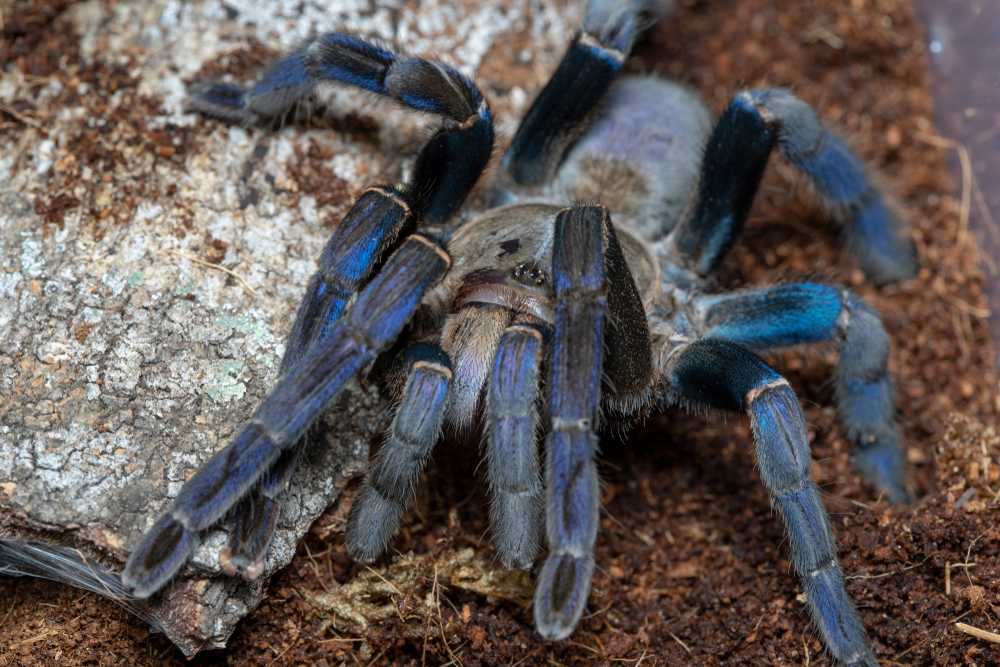
Top Types of Tarantulas: Best Species for Pet Owners
Tarantulas come in a wide range of sizes, colors, temperaments, and lifestyles. Some spend most of their time on the ground, others build deep burrows, and arboreal species are adapted to climbing and living above ground.
For prospective tarantula keepers, choosing a species involves more than appearance. Temperament, speed, enclosure requirements, adult size, and experience level should all be considered before bringing one home.
Understanding the Different Types of Tarantulas
Tarantulas belong to the spider family Theraphosidae, which includes more than 1,200 recognized species. They occur across many warm regions of the world and occupy habitats ranging from tropical forests to grasslands and deserts.
Pet tarantulas are often grouped by lifestyle:
- Terrestrial tarantulas spend most of their time on or near the ground.
- Fossorial tarantulas dig or occupy burrows and may spend much of their time underground.
- Arboreal tarantulas live above ground and require vertical space for climbing.
These differences affect enclosure design, substrate depth, hiding places, ventilation, and other aspects of care.
New World vs. Old World Tarantulas
Another common distinction is between New World and Old World tarantulas.
New World Tarantulas
New World tarantulas are native to the Americas. Many species possess urticating hairs on the abdomen that can be released as a defense against predators. These hairs can irritate skin, eyes, and airways.
Some New World species are relatively slow-moving and less defensive, which is one reason species such as Mexican red knees and Brazilian blacks are often kept by beginners.
However, temperament varies between species and individual spiders. A New World tarantula should not automatically be assumed to be calm or safe to handle.
Old World Tarantulas
Old World tarantulas come from Africa, Asia, Europe, and surrounding regions.
Unlike many New World species, they generally do not rely on urticating hairs for defense. Some are faster, more defensive, and have venom that can produce more significant symptoms in humans.
For those reasons, many Old World species are better suited to experienced keepers who are comfortable working with fast-moving spiders without direct handling.
Beginner-Friendly Tarantula Species
Certain terrestrial New World species are popular with new keepers because of their relatively manageable care requirements and generally slower behavior.
Mexican Red Knee
The Mexican red knee (Brachypelma hamorii) is one of the most recognizable pet tarantulas.
It has a dark body with orange-red markings on its legs and is a terrestrial species that spends most of its time near the ground.
Mexican red knees are known for their slow growth and long lifespan, particularly among females. They are often considered suitable for newer keepers because they tend to move more slowly than many arboreal or Old World species.
Like other New World tarantulas, they can release irritating urticating hairs when threatened.
Brazilian Black
The Brazilian black (Grammostola pulchra) is known for its dark, velvety appearance and heavy build.
It is a terrestrial species and is often described as relatively slow-moving. Its straightforward enclosure needs and generally predictable behavior have made it popular among both new and experienced keepers.
Brazilian blacks also grow slowly, so reaching adult size can take several years.
Chaco Golden Knee
The Chaco golden knee (Grammostola pulchripes) has a dark body with distinctive golden bands around the joints of its legs.
This terrestrial tarantula can reach a substantial adult size while remaining relatively slow-moving compared with many other species.
Its size, appearance, and manageable husbandry requirements make it another commonly recommended option for people beginning the hobby.
Arboreal Tarantulas
Arboreal tarantulas spend much of their time above ground and need a different enclosure setup than terrestrial species.
Their habitats generally require more vertical space, climbing surfaces, and secure anchor points for webbing.
Pink Toe Tarantulas
Pink toe tarantulas in the genus Avicularia are well-known arboreal species from tropical areas of the Americas.
They typically have dark bodies with lighter or pinkish coloration at the ends of their legs.
Their enclosure should provide:
- Adequate vertical space
- Good ventilation
- Cork bark or another climbing surface
- Elevated hiding areas
- Access to clean water
Pink toes can move quickly and may jump when startled, so they require more caution during enclosure maintenance than many slow-moving terrestrial species.
Gooty Sapphire
The Gooty sapphire ornamental (Poecilotheria metallica) is known for its striking blue coloration.
It is an arboreal Old World species native to India. Its appearance makes it highly sought after, but it is generally not considered appropriate for inexperienced keepers.
Gooty sapphires are fast, defensive when threatened, and lack the urticating hairs used by many New World tarantulas. Direct handling should be avoided.
Fossorial Tarantulas
Fossorial species spend much of their lives inside burrows.
Their enclosures require deep substrate that allows the spider to dig and create a secure retreat. Keepers may see these tarantulas much less frequently than terrestrial or arboreal species.
Some fossorial species can also be extremely fast or defensive, making enclosure maintenance more challenging.
The cobalt blue tarantula is a well-known example. Its vivid coloration makes it visually impressive, but its speed and defensive behavior generally make it better suited to experienced keepers.
Large Tarantula Species
Some keepers are particularly interested in tarantulas that reach impressive adult sizes.
Goliath Birdeater
The Goliath birdeater (Theraphosa blondi) is among the world’s largest tarantulas by body mass and leg span.
Despite its name, birds are not its primary food source. In the wild, it primarily feeds on invertebrates and may occasionally prey on small vertebrates.
Its very large size, moisture requirements, defensive behavior, and urticating hairs make it a species better suited to keepers prepared for its specific needs.
Brazilian Salmon Pink Birdeater
The Brazilian salmon pink birdeater (Lasiodora parahybana) is another very large terrestrial tarantula.
It grows more quickly than several commonly kept beginner species and can develop an impressive leg span. However, its size, feeding response, and urticating hairs require careful enclosure maintenance.
What Tarantulas Need in an Enclosure
There is no single enclosure setup that works for every tarantula.
A suitable habitat depends on whether the species is terrestrial, arboreal, or fossorial and on the conditions found in its natural environment.
Most setups should consider:
- Appropriate enclosure dimensions
- Secure ventilation
- Suitable substrate
- A hiding place or retreat
- A clean water dish
- Species-appropriate moisture levels
- Enough substrate to reduce injury risk for terrestrial species
Arboreal species need vertical climbing space, while fossorial species require considerably deeper substrate for burrowing.
Avoid relying on a universal temperature or humidity target for all tarantulas. Research the natural history and captive-care requirements of the specific species before setting up the enclosure.
Feeding Pet Tarantulas
Pet tarantulas generally eat appropriately sized live invertebrates.
Common feeder insects include:
- Crickets
- Roaches
- Mealworms
- Superworms
- Other captive-raised feeder insects
Feeding frequency varies depending on the tarantula’s age, size, species, and growth rate.
Uneaten prey should not be left with a tarantula indefinitely, particularly when the spider is preparing to molt. Live feeder insects may disturb or injure a vulnerable molting tarantula.
Should You Handle a Pet Tarantula?
Tarantulas are generally better suited for observation than frequent handling.
Even species considered relatively calm can bite or release urticating hairs when stressed. More importantly, a fall from even a modest height can seriously injure a terrestrial tarantula because of its relatively fragile abdomen.
Handling is not necessary for a tarantula’s health or well-being. Routine enclosure maintenance can usually be performed using containers, catch cups, and other methods that avoid direct contact.
Choosing the Right Tarantula
New keepers may find slow-moving terrestrial New World species such as the Mexican red knee, Brazilian black, or Chaco golden knee easier to manage than fast arboreal or Old World species.
Appearance should not be the only consideration. Before choosing a tarantula, research its adult size, growth rate, temperament, lifespan, enclosure style, moisture requirements, and defensive behavior.
Species such as the Gooty sapphire and cobalt blue can be impressive display animals, but their speed and defensive behavior make them better suited to keepers with more experience.
Choosing a species whose care requirements match your experience and available enclosure space can make tarantula keeping safer and more manageable for both the keeper and the spider.
Frequently Asked Questions
1. What are the main differences between New World and Old World tarantulas?
New World tarantulas are generally more docile and use urticating hairs for defense. Old World tarantulas tend to be more aggressive, display a stronger threat posture, and have more potent venom.
2. Which tarantula species are best for beginners?
The Mexican Red Knee, Chaco Golden Knee, and Pink Zebra Beauty are among the best beginner tarantulas due to their calm temperaments and easier care requirements.
3. How long do tarantulas typically live?
Female tarantulas can live for decades, often 10 to 30 years depending on species. Males generally have shorter lifespans, commonly around 5 years.
4. What type of enclosure is needed for arboreal tarantulas?
Arboreal tarantulas require tall enclosures with plenty of vertical climbing structures and higher humidity to mimic their natural tree-dwelling habitats.
5. Are tarantula bites dangerous to humans?
Most tarantula bites are similar in severity to a bee sting and are not life threatening. Some individuals may have allergic reactions, and certain Old World species have more medically significant venom. Always exercise caution when handling tarantulas.