Largest Scorpion in the World: Size, Habitat, and Danger Explained
Discover the biggest scorpion on Earth, its size, habits, and where it lives. Learn amazing facts about this giant arachnid in simple words.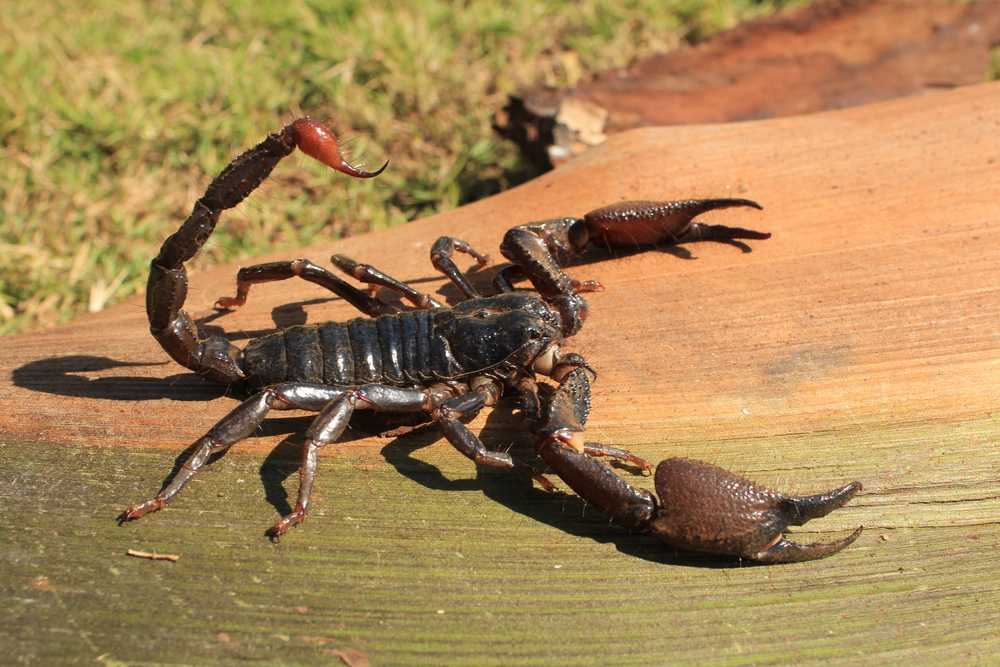
The Biggest Scorpion: Size, Habitat, and Danger Explained
Scorpions vary widely in size, from small species measuring only a few centimeters to large forest-dwelling species with powerful pincers and thick bodies. The largest living scorpion is generally recognized as the giant forest scorpion, scientifically known as Heterometrus swammerdami.
This species is native to India and Sri Lanka and can reach approximately 9 inches in length. One exceptional specimen measured 11.5 inches from the tips of its pincers to the end of its stinger, earning recognition as the largest living scorpion on record.
What Is the Biggest Living Scorpion?
The giant forest scorpion holds the distinction of being the largest living scorpion species. Adult males commonly exceed 7 inches, while particularly large individuals may grow even longer. Its heavy body, broad pincers, and dark coloration give it an imposing appearance.
The species is sometimes confused with other Asian forest scorpions in the genus Heterometrus. One of these is Heterometrus spinifer, another large black scorpion, but it is not the species associated with the world size record.
Size and Appearance
Giant forest scorpions generally have:
- A dark reddish-brown or nearly black body
- Large, broad pincers
- A thick body and tail
- Eight walking legs
- A segmented tail ending in a stinger
Their large pincers are used to grasp and crush prey. Although the stinger remains an important defensive tool, these scorpions rely heavily on their physical strength.
Where Giant Forest Scorpions Live
Heterometrus swammerdami is native to southern India and Sri Lanka. It is associated with warm, humid environments and may shelter in burrows, tree cavities, abandoned animal holes, and other protected spaces.
These hiding places help the scorpion avoid daytime heat and retain moisture. Like many scorpions, it is primarily active at night, emerging from shelter to search for prey.
What Giant Forest Scorpions Eat
Giant forest scorpions are predators that primarily feed on insects and other invertebrates. Their diet may include:
- Crickets
- Beetles
- Cockroaches
- Other arthropods
- Occasionally small vertebrates
They typically seize prey with their pincers and may use their stinger when necessary. Their feeding behavior helps control populations of insects and other small animals within their habitat.
Is the Biggest Scorpion Dangerous?
Despite its size, the giant forest scorpion is not generally considered among the most medically dangerous scorpion species. Its venom is regarded as less potent than that of several smaller species, and it relies heavily on its powerful pincers to capture prey.
However, any scorpion can sting when threatened, trapped, or handled. A sting may cause pain, swelling, redness, or other symptoms, and reactions can vary by person.
Avoid handling wild scorpions. Anyone who experiences severe pain, difficulty breathing, widespread swelling, vomiting, muscle symptoms, or another concerning reaction after a sting should seek medical care.
Other Large Scorpion Species
The giant forest scorpion is not the only species known for its impressive size. Emperor and rock scorpions also rank among the world’s largest.
Emperor Scorpion
The emperor scorpion, Pandinus imperator, is a large West African species that commonly measures between 5 and 7 inches. Guinness recognizes it as the heaviest scorpion, with individuals weighing up to approximately 60 grams.
Emperor scorpions have glossy black bodies and broad pincers. They inhabit humid forests and savannas, where they shelter beneath debris or inside burrows.
Like the giant forest scorpion, the emperor scorpion’s large pincers play an important role in capturing prey and defending itself.
Rock Scorpion
Rock scorpions in the genus Hadogenes are known for their long, flattened bodies. Their shape allows them to hide inside narrow rock crevices in southern Africa.
Some rock scorpions can rival large forest scorpions in length, although their bodies are generally slimmer and lighter. Their extended tails contribute significantly to their overall measurement.
Giant Asian Forest Scorpions
Several other species in the genus Heterometrus are commonly called Asian forest scorpions. They share features such as dark bodies, broad pincers, and a preference for warm, humid habitats.
Although some grow quite large, they should not automatically be identified as Heterometrus swammerdami. Closely related species can look similar, and accurate identification may require expert examination.
Does a Larger Scorpion Have Stronger Venom?
A scorpion’s size does not reliably indicate how dangerous its venom is. Several highly venomous species are much smaller than giant forest or emperor scorpions.
Large species with broad, powerful pincers often rely more heavily on physical strength to restrain prey. Smaller species with narrower pincers may depend more on venom, although this is a broad tendency rather than a rule that can identify the danger posed by an individual scorpion.
The deathstalker, for example, is considerably smaller than the giant forest scorpion but is known for medically significant venom. Size alone should therefore never be used to determine whether a scorpion is safe to handle.
The Largest Scorpion Ever Discovered
The giant forest scorpion is the largest living scorpion, but prehistoric species grew much larger.
Research published in 2026 identified Praearcturus gigas as the largest scorpion known to have existed. Fossil evidence suggests that this prehistoric species measured more than 1 meter long and lived approximately 415 million years ago in what is now England and Wales.
This distinction is important: Heterometrus swammerdami is the largest scorpion alive today, while Praearcturus gigas represents the largest known species from the fossil record.
Respecting Large Scorpions Safely
The world’s biggest living scorpions are impressive predators, but their appearance does not necessarily reflect the potency of their venom. Giant forest and emperor scorpions rely heavily on their broad pincers, while some smaller species pose greater medical risks.
Wild scorpions should be observed from a safe distance and never picked up with bare hands. Understanding their size, habitat, and behavior can help people appreciate these unusual arachnids without unnecessary contact.
Frequently Asked Questions
What is the biggest scorpion in the world?
The biggest scorpion in the world is the giant forest scorpion (Heterometrus spinifer), which can grow up to 9.1 inches in length.
Are the biggest scorpions dangerous to humans?
Most of the largest scorpions, including the giant forest and emperor scorpions, have venom comparable to a bee sting and are generally not lethal to humans.
Where do giant forest scorpions live?
Giant forest scorpions are native to the tropical forests of Asia, particularly India and Sri Lanka, where they prefer moist forest floors covered with dense vegetation.
How do large scorpions catch their prey?
Large scorpions tend to use their powerful pincers to catch, crush, and tear apart their prey, often relying less on venom compared to smaller species.
How can I deter scorpions from entering my home?
To deter scorpions, keep your home and yard free of debris and moisture, seal cracks and crevices, and consider using essential oils like peppermint or cedar near entry points.