Termite Treatments: Options, Costs, and Home Protection Tips
Discover effective termite treatments that keep your home safe and pest-free. Learn how to stop termites before they spread.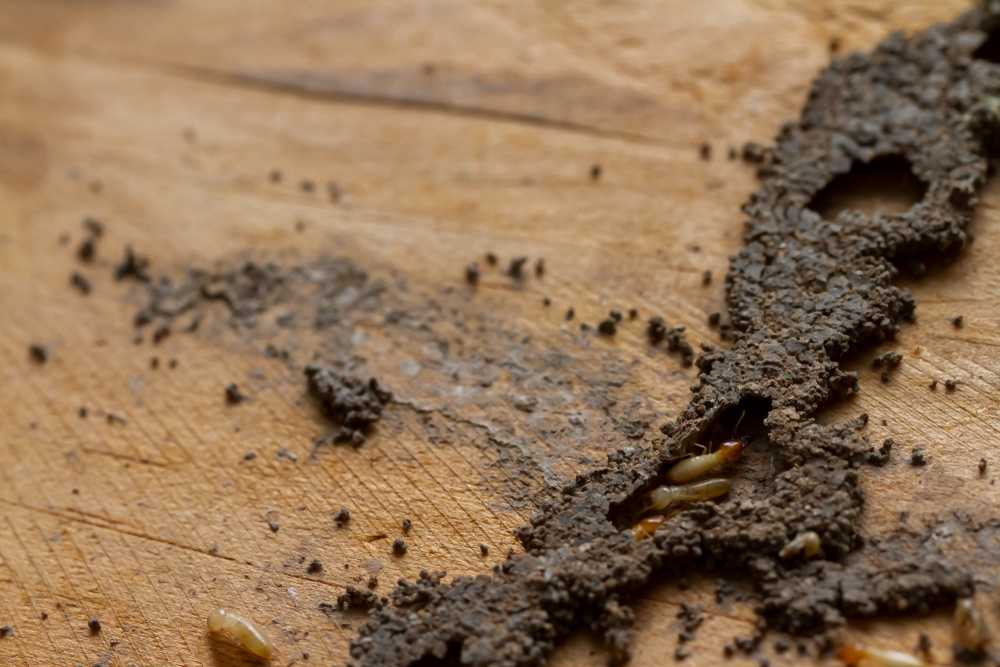
Effective Termite Treatments: Your Guide to Pest Control
Termites can cause significant damage when they remain hidden inside wood, walls, or soil around a home. Choosing the right termite treatment depends on the species involved, where the colony is located, and how extensive the activity has become.
Understanding the major types of termites, recognizing the signs of an infestation, and knowing which treatment options are available can help homeowners respond before damage becomes more severe.
Understanding the Main Types of Termites
The three main termite groups that commonly affect homes are subterranean, drywood, and dampwood termites. Each has different nesting habits and moisture requirements, which means treatment methods may vary.
Subterranean Termites
Subterranean termites live in colonies underground and typically travel between the soil and a structure through mud tubes. They rely on moisture and may enter homes through foundation cracks, expansion joints, plumbing penetrations, or other areas where wood is accessible from the soil.
Common treatment options may include soil-applied termiticides, bait systems, and moisture or structural corrections.
Drywood Termites
Drywood termites live directly inside dry wood and do not require contact with soil.
They may infest:
- Wooden framing
- Furniture
- Fences
- Trim
- Doors
- Other structural wood
Signs may include small piles of drywood termite droppings, also called frass, as well as damaged or hollow-sounding wood.
Treatment may involve localized wood treatments or whole-structure fumigation, depending on the extent and location of the infestation.
Dampwood Termites
Dampwood termites are associated with wood that has a high moisture content.
They may be found in:
- Water-damaged lumber
- Leaking roof areas
- Poorly ventilated crawl spaces
- Decaying wood
- Areas with plumbing or drainage problems
Correcting the moisture source is an important part of managing dampwood termite activity.
Signs of a Termite Infestation
Termite activity may remain hidden for long periods, so recognizing the warning signs can help reduce the risk of extensive damage.
Common signs include:
- Mud tubes along foundations or walls
- Discarded wings near windows or doors
- Wood that sounds hollow when tapped
- Blistered or damaged wood surfaces
- Small piles of termite droppings
- Swarming termites
- Visible damage to wooden materials
Not every sign appears with every termite species, which is why correct identification matters.
Mud Tubes
Subterranean termites commonly build mud tubes.
Termites build these narrow tunnels from soil and other materials to travel between the colony and food sources while staying protected.
Mud tubes may appear along:
- Foundation walls
- Crawl-space supports
- Basement walls
- Plumbing penetrations
- Other areas connecting soil to wood
Mud tubes may indicate current or previous termite activity, so homeowners should investigate them further.
Discarded Wings
Reproductive termites, often called swarmers, may appear when a colony produces winged adults.
After swarming, the termites shed their wings. Homeowners may find piles of discarded wings near:
- Windows
- Doors
- Light fixtures
- Baseboards
- Other openings
Discarded wings alone do not show the exact location or size of a colony, but they can indicate nearby termite activity.
Wood Damage
Termites feed on cellulose materials and can damage structural wood from the inside.
Possible signs include:
- Hollow-sounding wood
- Thin or blistered surfaces
- Small galleries inside damaged lumber
- Frass from drywood termites
- Sagging or weakened wood in severe cases
Visible damage may represent only part of the affected area because termite activity can extend beyond what is immediately accessible.
Termite Treatment Options
The appropriate treatment depends on the termite species, construction of the building, colony location, and severity of the infestation.
Common options include liquid termiticides, bait systems, wood treatments, and fumigation.
Liquid Termiticides
Professionals commonly use liquid termiticides to control subterranean termites.
Professionals typically apply liquid termiticides to the soil around or beneath a structure, creating a treated zone that termites encounter as they move between the colony and the building.
Application may involve:
- Trenching
- Drilling
- Soil injection
- Treating areas around foundations
Always use these products according to the label and applicable regulations.
Termite Bait Systems
Termite bait systems use stations placed around a property to detect and control subterranean termites.
Worker termites feed on the bait and carry it back to the colony.
Bait systems require ongoing monitoring and may take time to reduce colony activity.
They are often used as part of a long-term termite management program.
Wood Treatments
Wood treatments may be applied directly to exposed or accessible wood.
Options can include:
- Borate-based products
- Foams
- Liquids
- Other labeled wood treatments
These methods may be appropriate for localized activity or as a preventive measure during construction.
Wood treatments alone may not eliminate termites located elsewhere in the structure or soil.
Whole-Structure Fumigation
Whole-structure fumigation is commonly associated with widespread drywood termite infestations. The building is enclosed and treated with a fumigant that can reach termites hidden throughout the wooden components. Because fumigation involves specialized equipment, preparation, and safety requirements, it must be performed by trained professionals.
Preventing Termite Infestations
Long-term termite prevention focuses on reducing moisture, limiting wood-to-soil contact, and making structural entry more difficult.
Control Moisture
Excess moisture can create favorable conditions for termite activity.
Helpful steps include:
- Repair leaking pipes and faucets
- Improve drainage around the foundation
- Direct gutters and downspouts away from the home
- Ventilate crawl spaces
- Repair water-damaged wood
- Address roof leaks
Moisture correction is especially important when dampwood termites or moisture-related structural problems are present.
Limit Wood-to-Soil Contact
Wood touching soil can provide termites with easier access to a structure.
Keep wooden siding, framing, posts, and other materials separated from the ground when possible.
Firewood, lumber, and cardboard should also be stored away from the foundation and elevated above the soil.
Use Physical Barriers
Physical barriers may be incorporated during construction to reduce termite entry.
Examples include:
- Stainless-steel mesh
- Metal barriers
- Graded particle barriers
- Termite-resistant construction materials
These barriers are typically easier to install during construction than after a building is completed.
Inspect the Property Regularly
Routine inspection can help reveal new termite activity or conditions that increase the risk of infestation.
Pay attention to:
- Foundation walls
- Crawl spaces
- Plumbing areas
- Wooden decks and posts
- Moisture-damaged wood
- Areas where soil contacts structural materials
When Professional Termite Treatment May Be Needed
Professional help may be appropriate when:
- Mud tubes are found around the structure
- Swarmers repeatedly appear indoors
- Structural wood shows signs of damage
- Drywood termite frass is present
- Termite activity continues after previous treatment
- The colony location cannot be identified
- Several areas of the home are affected
A professional inspection can help identify the termite species, determine where activity is occurring, and recommend a treatment approach based on the property.
Depending on the situation, treatment may include liquid termiticides, bait systems, localized wood treatment, fumigation, or a combination of methods.
Choosing a Termite Treatment
There is no single treatment that works best for every termite infestation.
Subterranean termites often require different treatment methods than drywood or dampwood termites. The extent of the infestation, construction of the property, accessibility of the colony, and moisture conditions can all influence the best approach.
The most effective termite control combines proper identification, treatment of active infestations, and correction of the conditions that allowed termites to enter or remain around the property.
Frequently Asked Questions
What are the signs of a termite infestation?
The signs of a termite infestation include mud tubes, wood that sounds hollow when tapped, blistered surfaces, and discarded wings. It’s crucial to address these signs promptly to prevent significant damage to your property.
What is the most effective treatment for drywood termites?
Gas fumigation is the most effective treatment for drywood termites because it penetrates deep into wooden structures, ensuring complete eradication.
How can I prevent termite infestations in my home?
To prevent termite infestations in your home, focus on moisture control, apply wood treatments, and establish physical barriers that restrict access to wooden structures. Implementing these measures will significantly reduce your risk of termite problems.
Why is professional termite inspection important?
Professional termite inspections are crucial as they accurately identify and assess infestations, enabling timely treatments that prevent significant damage to your property. Prioritizing this proactive measure safeguards your investment and peace of mind.
What makes Responsible Pest and Scorpion Control’s services stand out?
Responsible Pest and Scorpion Control’s services stand out because of their experienced technicians, commitment to environmentally-sensitive solutions, and consistently high customer satisfaction ratings.