Are Hawk Wasps Dangerous? Facts, Behavior, and Safety Tips
Discover the hawk wasp, its unique behavior, size, and sting risk. Learn simple safety tips to stay protected around this powerful insect.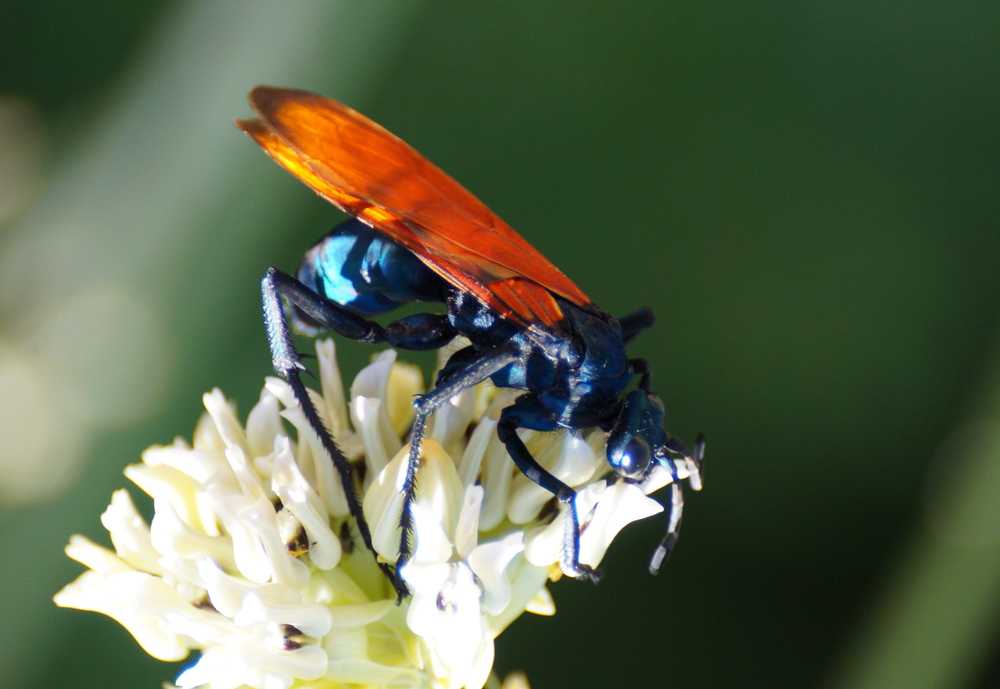
Hawk Wasp: The World’s Most Painful Sting Explained
The hawk wasp, especially the tarantula hawk, is famous for its incredibly painful sting and predation on tarantulas. What exactly makes this wasp so unique and feared? This article uncovers the reasons, detailing its sting, life cycle, habitat, and role in the ecosystem.
- The tarantula hawk, known for its excruciating pain rated 4 on the Schmidt Pain Scale by American entomologist Justin Schmidt, serves a crucial ecological role by controlling tarantula populations.
- Female tarantula hawks use their powerful sting to paralyze large spiders, especially tarantulas, which they then utilize as living nurseries for their larvae.
- Despite their fearsome sting, tarantula hawks are fairly docile towards humans and primarily interact with them only when threatened.
What is a Hawk Wasp?
The tarantula hawk, scientifically known as Pepsis grossa, is a member of the family Pompilidae, a group renowned for its spider wasps hunting large spiders. These solitary insects are among the largest wasps, growing up to 6.5 centimeters in length. They are easily recognizable by their striking metallic blue-black bodies and bright orange wings.
Tarantula hawks primarily prey on tarantulas, showcasing their role as powerful spider hunters. Despite their solitary nature, their impact on the ecosystem is significant, as they help control tarantula populations. These tarantula hawk wasps are not just large but also equipped with a potent sting, making them formidable predators in the insect world.
The Painful Sting of Hawk Wasps
The sting of the tarantula hawk wasp is infamous for its intensity. Rated a solid 4 on the Pain Scale developed by American entomologist Justin Schmidt, it is one of the most painful stings known in the insect world, second only to the South American bullet ant. Those unfortunate enough to experience the painful sting describe it as akin to being burned by a hot nail. The pain is immediate and intense, often leaving the victim in a state of shock.
The agony from a tarantula hawk sting can last for several minutes, causing significant discomfort. Some victims report a wave of totally debilitating pain that follows the initial sting. Despite the fearsome reputation of these stings, it’s important to note that they are not life-threatening to humans, though the experience is far from pleasant.
Interestingly, the tarantula hawk’s sting serves a crucial role in its hunting strategy. The female tarantula hawk uses her potent sting to paralyze tarantulas, rendering them helpless. This not only showcases the wasp’s powerful venom but also highlights its precision in subduing prey. Understanding this aspect of the tarantula hawk’s biology sheds light on why their sting is so shockingly electric and incredibly painful.
Life Cycle of Hawk Wasps
The life cycle of the tarantula hawk is a fascinating journey that includes several distinct phases: mating, hunting, egg-laying, larval growth, and pupation. Each phase plays a crucial role in the survival and propagation of this remarkable insect.
Mating Rituals
During the mating season, which spans from August to October, male tarantula hawks perch atop tall plants and engage in competitive flights to attract females. These aerial displays are a spectacle of agility and strength, as males vie for the attention of selective females.
Female tarantula hawks choose their mates based on the males’ performance during these flights. Only the females that are impressed by the males’ displays will mate, ensuring that their offspring inherit the traits necessary for survival in the harsh world of adult tarantula hawks hunting.
Paralyzing Prey
After mating, the female tarantula hawk embarks on a hunt for a tarantula, hunting tarantulas. Using her powerful sting, she delivers a precisely aimed sting to incapacitate the spider. This sting injects a potent venom that paralyzes the tarantula, allowing the wasp to use it as a living nursery for her offspring.
After subduing the tarantula, the female lays a single egg on the spider’s abdomen, ensuring a fresh and uncontested food source for the larva once it hatches. The paralyzed spider remains alive, providing a continuous supply of nutrients for the developing larva.
Larval Development
When the egg hatches, the larva immediately begins to feed on the still-living tarantula. Initially, it consumes nonessential parts of the spider, which helps keep the host alive for as long as possible. This parasitic relationship is a unique aspect of the tarantula hawk’s life cycle.
The larva continues to consume the tarantula as it grows, until it reaches maturity. This process of larval development is both gruesome and fascinating, showcasing the intricate balance of life and death in the insect world.
Habitat and Distribution of Hawk Wasps
Tarantula hawks are widespread across the Americas, particularly thriving in South and Central America, as well as the deserts of the southern United States. These large wasps are often found in regions where tarantulas are abundant, as they rely on these spiders for their reproductive cycle.
In North America, Pepsis thisbe is the most common species of tarantula hawk and is frequently seen in areas like the Grand Canyon, where the local tarantula population provides ample hunting and reproductive opportunities. The largest species, Pepsis heros, can be found in southeastern Peru, showcasing the diversity among many species of tarantula hawks.
Ecological Role of Hawk Wasps
The ecological role of tarantula hawks extends beyond their predatory prowess. These wasps are vital in maintaining ecological balance by controlling tarantula populations.
Using tarantulas as hosts for their offspring, tarantula hawks ensure these spiders do not become overly abundant.
Pollination
They often visit various flowers to gather nectar, transferring pollen and aiding in plant fertilization, thus contributing significantly to ecosystem health.
Species like Pepsis grossa and Pepsis thisbe primarily obtain energy from nectar, making them key players in pollination. Their role in pollination underscores their importance beyond just being fierce predators in the insect world.
Natural Predator Control
Hawk wasps help maintain balance in their ecosystems by preying on tarantulas. This natural predator control is crucial in preventing tarantula populations from becoming overly abundant, which could disrupt the local ecology.
The vivid coloration of tarantula hawks, including their bright orange wings and black wings, serves as a warning to potential predators of their painful sting. This aposematic coloration is a common trait among many dangerous insects, helping them avoid unnecessary confrontations with would-be predators.
Human Interactions with Hawk Wasps
Despite their fearsome reputation, tarantula hawks are typically fairly docile when unprovoked. These wasps primarily feed on nectar and only sting when they feel threatened. Understanding their behavior can help people coexist peacefully with them.
If a tarantula hawk stings you, the only response is to remain calm. The pain, though intense and excruciating, typically subsides within a few minutes, and the sting is not life-threatening. Respecting these fascinating creatures and giving them space helps humans avoid painful encounters while appreciating the ecological benefits these wasps provide.
When to Call A Professional
Tarantula hawk wasps may be famous for their intense sting, but they are also important pollinators and natural predators that help keep ecosystems balanced. In most cases, they avoid people and only sting when threatened, so reducing close contact is the best way to prevent an encounter.
If you’re seeing large wasps around your home, especially in high-traffic areas like patios, garages, or walkways, focus first on prevention. Limit attractants by keeping outdoor trash sealed, reducing standing water, and being cautious around flowering plants where they may feed on nectar.
If you suspect a nesting issue nearby or want help identifying what you’re seeing, schedule a professional inspection today. A trained technician can confirm the species, recommend safe next steps, and help reduce activity around your home so you can enjoy your outdoor space with peace of mind.
Frequently Asked Questions
What makes the sting of a tarantula hawk so painful?
The sting of a tarantula hawk is among the most painful, rated a 4 on the Pain Scale by American entomologist Justin Schmidt, with sensations likened to being burned by a hot nail. This extreme pain makes it a notorious contender in the insect world.
Are tarantula hawks dangerous to humans?
Tarantula hawks are not life-threatening to humans and are generally fairly docile, though their sting can be extremely painful.
Where can tarantula hawks be found?
Tarantula hawks can be found throughout the Americas, especially in South and Central America and the southern United States. This wide distribution highlights their adaptability to various environments.
How do tarantula hawks control tarantula populations?
Tarantula hawks control tarantula populations by preying on them, which plays a crucial role in maintaining ecological balance. This natural regulation helps prevent overpopulation of tarantulas in their environment.
What is the primary diet of adult tarantula hawks?
Adult tarantula hawks primarily feed on nectar, which establishes their role as important pollinators in ecosystems. This diet contributes significantly to their ecological impact.