Carolina Sphinx Moth: Facts, Habitat & Identification
Discover the Carolina sphinx moth, its life cycle, habitat, and how to identify this striking pollinator often seen near gardens.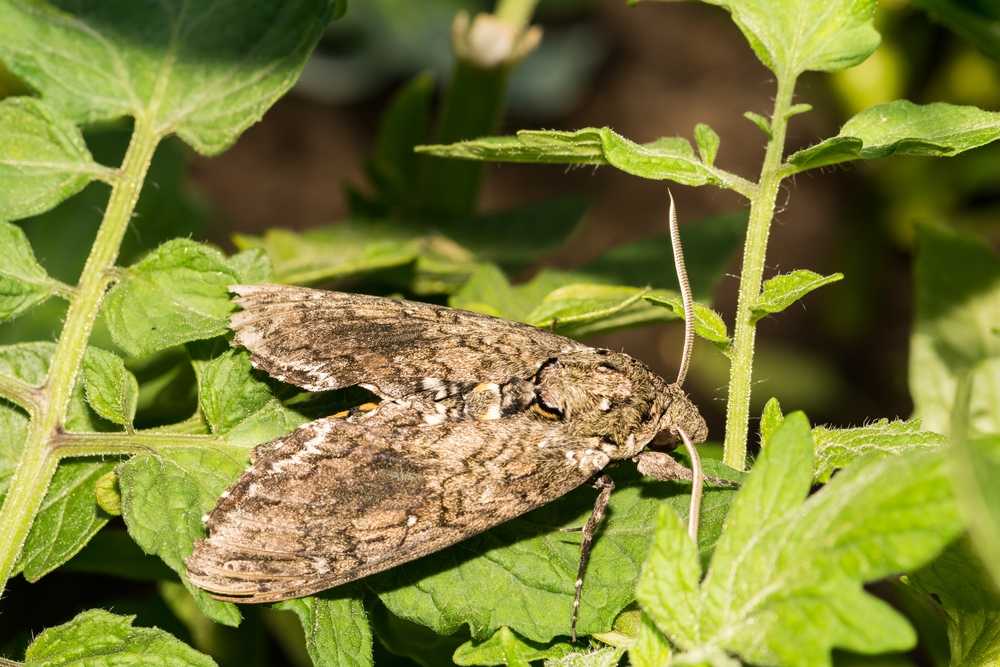
Carolina Sphinx Moth: Essential Facts and Tips for Gardeners
Wondering what that large moth in your garden is? It’s likely the Carolina sphinx moth (Manduca sexta). This article will help you identify it, understand its life cycle, and manage its impact on your plants effectively.
- The Carolina Sphinx Moth, identifiable by its large size and distinct markings, is a dual-role insect; it can be a pest in its caterpillar stage while acting as a crucial pollinator as an adult.
- Understanding the life cycle of the Carolina Sphinx Moth, from egg to adult, is essential for effective garden management and timely intervention to mitigate the impact of its larvae on crops.
- Proper management techniques for Carolina Sphinx Moths include monitoring for infestations, utilizing natural predators like braconid wasps, and employing eco-friendly practices to minimize the use of chemical controls.
Identifying the Carolina Sphinx Moth (Manduca sexta)
The Carolina Sphinx Moth, also known as Manduca sexta, is a fascinating creature that stands out due to its large size and distinctive markings. Key features include:
- Wing span ranging from 9.5 cm to 12 cm, making them quite noticeable in your garden.
- Forewings with a mottled pattern of black, brown, and white.
- Excellent camouflage against tree bark and other natural surfaces due to their wing pattern. Additionally, the large moth is known for its impressive presence.
One of the most striking features of the adult Carolina Sphinx Moth is the six pairs of orange-yellow bands along its abdomen. These bands not only add to their visual appeal but also make them easier to identify compared to other similar moth species. When observing these moths, you might notice their narrow wings, which are characteristic of the family sphingidae.
Comparing the Carolina Sphinx Moth to other species, such as the Five-Spotted Hawkmoth (Manduca quinquemaculata) and hawk moths, reveals subtle differences. The latter has five pairs of spots on its abdomen, distinguishing it from the Carolina Sphinx and other similar species. Knowing these differences can help you accurately identify the moths of North America in your garden and take appropriate action if needed.
Recognizing the caterpillar stage is essential. The larvae, often called tomato hornworms, are large green caterpillars marked by white diagonal lines and a prominent rear horn. They can be highly destructive to tomato plants, making early identification and management vital for crop protection, especially when you need to defoliate tomato plants and consider the caterpillar’s body.
Life Cycle of the Carolina Sphinx Moth
The Carolina Sphinx Moth progresses through four stages: egg, larva, pupa, and adult. Knowing each stage aids in better managing their presence in your garden.
Female moths lay their eggs on the underside of leaves, particularly those of plants in the nightshade family, such as tomatoes and tobacco. These eggs hatch typically within 3 to 5 days, releasing young larvae ready to begin their voracious feeding.
The larval stage, or caterpillar, goes through five growth stages known as instars:
- Each instar marks a significant increase in size and appetite.
- During this period, the larvae can significantly damage foliage, necessitating regular monitoring and population management.
- As the larvae reach the fifth instar, they become mature larvae, ready to pupate.
Pupation occurs underground, where the larvae burrow to find a safe, dark place to transition to the pupal stage. This stage ensures that the developing adult moth is protected from potential threats. After approximately 1 to 2 weeks, the adult moths emerge from their pupae and require a vertical surface to help unfold their wings properly.
Once emerged, adult Carolina Sphinx Moths live for about 2 to 3 weeks. During this time, they play a crucial role in pollination, particularly for flowers with long tubular shapes. Knowledge of this life cycle enables gardeners to take timely actions for effective management.
Ecological Role and Impact
The Carolina Sphinx Moth plays a dual role in the garden ecosystem, acting both as a pest and a beneficial insect. As larvae, these moths can be quite destructive, particularly to crops in the nightshade family, including solanaceous plants. In Louisiana, for instance, they primarily affect:
- Tomatoes
- Peppers
- Potatoes
However, as adult moths, they contribute positively to the environment. They are vital pollinators, especially for flowers with long tubular shapes that other insects cannot easily pollinate. This pollination role is essential for maintaining the health and diversity of plant species in your garden.
Moreover, the Carolina Sphinx Moth helps control pest populations. As adults, they consume nectar and help maintain the balance within the ecosystem. Despite their potential as pests in the larval stage, their overall impact on the garden can be beneficial, highlighting the importance of understanding and managing their life cycle effectively.
Managing Carolina Sphinx Moths in Your Garden
Controlling Carolina Sphinx Moths involves a mix of monitoring, natural controls, and, if necessary, chemical interventions. The initial step is to monitor for signs of infestation. Look for frass (caterpillar droppings) under plants, which can indicate the presence of hornworms. Large fecal pellets are often found under leaves, suggesting camouflaged larvae nearby.
Hand-picking larvae is an effective, eco-friendly method. Remove and relocate them to areas where they won’t cause damage. Additionally, increasing the food supply for hornworms can help manage their numbers non-destructively.
Natural predators, such as braconid wasps, play a significant role in controlling hornworm populations:
- These beneficial insects lay their eggs in hornworm caterpillars.
- The caterpillars are consumed from the inside, naturally reducing their numbers.
- Promoting braconid wasps and other beneficial insects can help manage pest populations without the need for chemicals.
Chemical controls should be a last resort due to their potential harm to beneficial insects like braconid wasps. If necessary, opt for targeted solutions and apply them carefully to minimize collateral damage. By combining these methods, you can effectively manage Carolina Sphinx Moths and protect your garden.
Differences Between Tomato Hornworms and Tobacco Hornworms
Differentiating between tomato hornworms and tobacco hornworms is crucial for effective garden management. Both species can cause significant damage to tomato plants, but they have distinct characteristics that set them apart. The tomato hornworm, for example, has a bluish-black tail horn, while the tobacco hornworm’s horn is reddish.
Tomato hornworms typically feature eight V-shaped chevrons on their sides, whereas tobacco hornworms have seven diagonal stripes. Additionally, the adult moths of these two species are distinguishable by the number of spots on their abdomen. Tomato hornworm moths have five pairs of spots, compared to the six pairs found on tobacco hornworm moths.
Understanding these differences can help gardeners implement targeted management strategies for each type of hornworm. For instance, removing tobacco hornworm larvae from tobacco and tomato plants can prevent significant crop damage. By accurately identifying these pests, gardeners can protect their plants more effectively.
Importance of Beneficial Insects
Beneficial insects help keep garden ecosystems balanced. Carolina sphinx moths support pollination, especially for flowers with long, tubular shapes, while natural predators like songbirds and braconid wasps help control hornworms. If you spot hornworms with white braconid cocoons on their backs, leave them in place to support this natural biological control.
You can encourage beneficial insects by limiting broad-spectrum pesticides, using targeted or humane pest control methods, and maintaining plant diversity. Supporting these helpful species reduces pest pressure naturally and helps your garden stay healthier with less chemical intervention.
Understanding the Carolina sphinx moth and its role in your garden helps you protect plants while encouraging natural balance. With simple identification, smart prevention, and beneficial-friendly control methods, you can reduce pesticide use and promote a thriving, resilient garden.
Frequently Asked Questions
How can I identify a Carolina Sphinx Moth?
To identify a Carolina Sphinx Moth, observe its large size with a wingspan of 9.5 to 12 cm, mottled black, brown, and white forewings, along with six pairs of distinctive orange-yellow bands on its abdomen. This combination of features will help you recognize this moth.
What crops are most affected by Carolina Sphinx Moth larvae?
The Carolina Sphinx Moth larvae most significantly impact tomatoes, peppers, potatoes, and eggplants, particularly in Louisiana. Protecting these crops is essential to prevent substantial damage.
How can I naturally control hornworms in my garden?
You can naturally control hornworms by hand-picking them from your plants and promoting the presence of natural predators, such as braconid wasps, in your garden. These methods foster a healthy ecosystem while managing pest populations effectively.
What is the difference between tomato hornworms and tobacco hornworms?
The key difference between tomato hornworms and tobacco hornworms lies in their physical characteristics: tomato hornworms possess a bluish-black horn and exhibit eight chevrons on their sides, whereas tobacco hornworms feature a reddish horn and display seven diagonal stripes.
Why are beneficial insects important in the garden?
Beneficial insects are crucial in the garden as they aid in pollination and provide natural pest control, thus minimizing the reliance on chemical pesticides. Their presence enhances garden health and productivity.