Packrats: Habits, Risks & How to Get Rid of Them
Got packrats in your home or attic? Learn how to spot their nests, understand their behavior, and use proven methods to keep them away.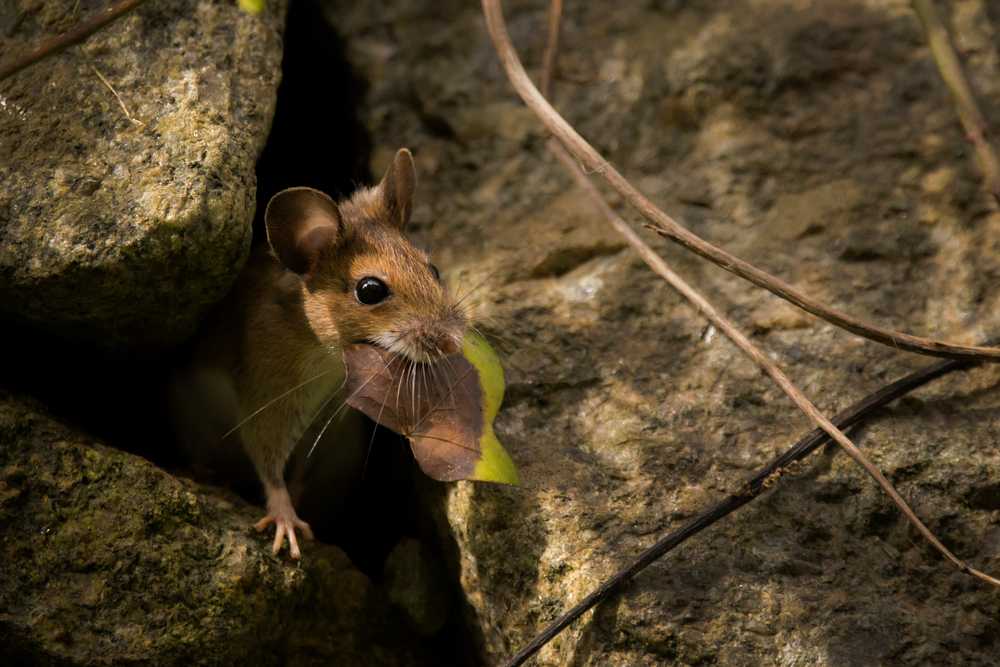
Packrats: Essential Creatures of the Desert Ecosystem
Packrats, also called woodrats, are small rodents found throughout much of western North America, especially in desert and dryland habitats. These animals play an important role in the ecosystem by dispersing seeds, contributing organic matter to the soil, and creating shelter that other wildlife may use.
This article explains what packrats are, how they live, why they matter in nature, and what to do if they become a problem around your home.
- Packrats help support desert ecosystems through seed dispersal, nest building, and nutrient cycling.
- Their nests, called middens, can preserve plant and animal material for long periods and help scientists study ecological change.
- While packrats are valuable in nature, they can also damage homes, vehicles, wiring, and stored items.
- Prevention and humane pest control are the best ways to manage packrat activity near people.
Understanding Packrats
Packrats are rodents in the genus Neotoma. They are often called woodrats and are known for their large ears, long whiskers, and furry tails. Depending on the species, an adult packrat may measure about 8 inches in body length, with an additional 5 to 7 inches of tail.
Their fur is usually grayish or brown above and lighter underneath, which helps them blend into their surroundings. Packrats are mostly nocturnal, meaning they are most active at night. They spend that time gathering food and nest materials while avoiding predators such as owls, hawks, snakes, coyotes, and foxes.
These rodents are skilled climbers and can also move easily through rocky, brushy, or desert environments. Their diet usually includes cactus, seeds, fruit, leaves, twigs, and other plant material.
Packrats Behavior
Packrats are generally solitary animals. Each adult usually maintains its own nest or den, although young packrats stay with the mother for a period after birth. They are best known for collecting objects and carrying them back to their nests.
This habit is one reason they are sometimes called “trade rats.” Packrats are often attracted to small or unusual items, including sticks, bones, shiny objects, and human-made materials. In developed areas, they may gather bottle caps, wire, insulation, or other debris.
Packrats also reproduce fairly quickly under favorable conditions, which helps their populations persist despite predation and harsh environmental conditions.
The Ecosystem
Packrats are an important part of desert food webs and habitat systems. As they gather seeds and plant material, they help move and distribute vegetation across the landscape. Their waste also adds organic matter to the soil, which can support plant growth over time.
Their nests provide shelter and cover that other animals may use, especially in harsh environments where natural shelter is limited. Because of these contributions, packrats play a meaningful role in supporting biodiversity.
Packrats are an important food source for many predators, making them a key link in the desert ecosystem.
Middens and Nests
Packrat nests, often called middens, are one of the most interesting parts of their behavior. These structures are built from sticks, cactus pieces, leaves, bones, and other collected materials. In desert areas, packrats often place their nests in protected spots such as rock crevices, under shrubs, around cactus stands, or near buildings.
In some dry environments, old middens can last for extremely long periods. Because they preserve plant fragments, seeds, pollen, and other materials, scientists use them to study past climates, vegetation, and ecological change.
That makes packrat middens valuable not only to the ecosystem today but also to researchers studying the environmental history of the American Southwest.
Packrats’ Collecting Habits
Packrats are famous for gathering and carrying objects back to their nests. They are especially known for picking up interesting materials they encounter and sometimes dropping one item in favor of another.
This behavior is part of what makes them so distinctive. While it may seem amusing, it can become a nuisance around homes, garages, sheds, and vehicles, where packrats may collect useful or hard-to-replace items.
Their collecting habits can also create dense nests that increase the risk of damage when built in or around man-made structures.
Problems Packrats Can Cause
Although packrats are beneficial in nature, they can create serious issues when they move too close to people. They may chew on wiring, insulation, hoses, wood, and stored belongings. In some cases, this damage can affect homes, outbuildings, and vehicles.
Packrats can also contaminate areas with droppings and urine, which may create sanitation concerns. Like other wild rodents, they can be associated with disease risks, so direct contact with nests or waste should be avoided.
Because of these problems, packrat activity around structures should be addressed as early as possible.
How to Help Prevent Packrat Problems
There are several ways to make your property less attractive to packrats:
- Seal openings and gaps that could allow entry into buildings
- Trim back dense vegetation near the home
- Remove yard clutter, brush piles, and debris
- Store pet food, birdseed, and other attractants securely
- Keep garages, sheds, and storage areas organized
- Inspect vehicles and equipment stored outdoors
Reducing shelter and food sources is one of the most effective ways to discourage packrats from settling nearby.
Humane Packrat Control Options
If packrats are already active on your property, humane removal methods are usually the best approach. Live trapping, exclusion, nest removal, and habitat modification are often more responsible choices than rodenticides.
Using poison can create additional risks for pets, wildlife, and predators that feed on rodents. A targeted, humane approach helps solve the immediate issue while reducing harm to the surrounding ecosystem.
For established infestations, professional pest control can help identify nesting sites, remove active packrats safely, and recommend prevention steps to reduce future activity.
Professional Pest Control Solutions
When packrats become active around homes, garages, sheds, or vehicles, humane pest control is the most responsible way to manage the problem. Using poison can harm natural predators such as owls, hawks, and snakes, which may create wider ecological issues. Instead, methods like live trapping, nest removal, and habitat modification are often better long-term solutions because they address the source of the problem rather than just the immediate activity.
Packrats are an important part of the desert ecosystem, contributing to seed dispersal, soil health, and biodiversity. Their nesting and collecting behaviors support the environment, but those same habits can also cause property damage and sanitation concerns when they occur too close to people. Balancing ecological value with practical prevention is key.
If packrat activity is already established, professional pest control can help identify nesting sites, remove active infestations safely, and reduce the chances of future problems. A prevention-focused approach allows you to protect your property while still recognizing the important role pack rats play in their natural habitat.
Frequently Asked Questions
What are the primary foods of packrats?
Packrats primarily feed on cactus, mesquite beans, and other plants, as these foods are rich in essential nutrients and moisture. Their diet supports their survival in arid environments.
How do packrats contribute to the ecosystem?
Packrats significantly contribute to the ecosystem by acting as seed dispersers, aerating the soil, and providing natural fertilizer, which helps maintain the health of desert environments. Their activities support biodiversity and enhance soil quality.
What materials do packrats use to construct their nests?
Packrats construct their nests using an assortment of materials such as vegetation, sticks, cactus joints, cactus spines, rocks, and other debris. This diversity helps them create secure and insulated homes in their environment.
How can I prevent packrat infestations in my home?
To effectively prevent packrat infestations, seal all entry points, maintain cleanliness, store food in airtight containers, trim bushes and trees near your home, and consider using natural repellents. Taking these proactive measures will help safeguard your home from these pests.
What should I do if I have a packrat infestation?
For a packrat infestation, it’s best to contact a professional pest control service like Responsible Pest and Scorpion Control, which offers effective and humane solutions along with a guarantee of satisfaction. Take action promptly to address the issue effectively.