Bed Bug Fumigation: How It Works and When It’s Used
Learn how bed bug fumigation works, when it’s needed, how long it takes, costs to expect, and why it’s used for severe infestations.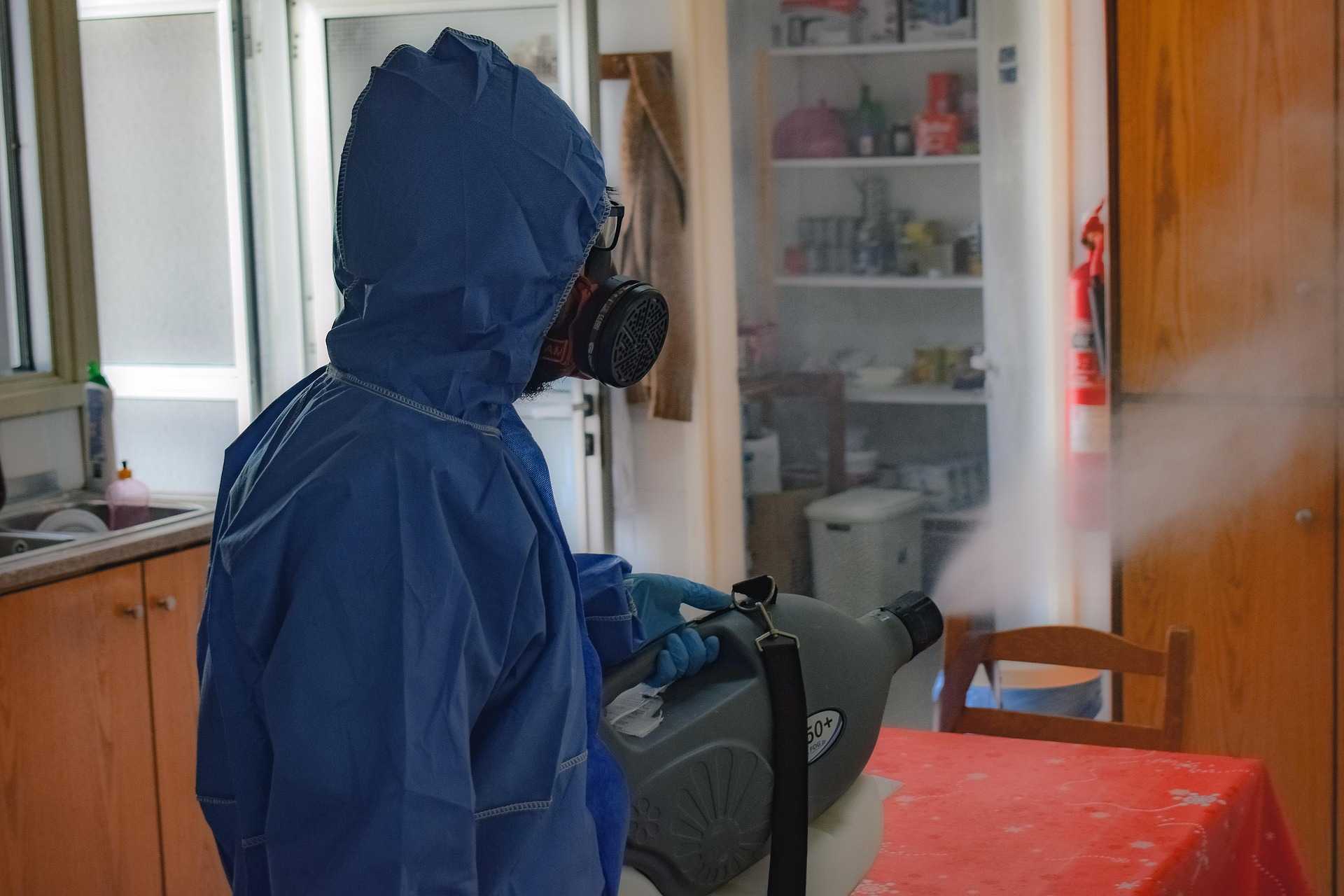
Effective Bed Bug Fumigation: Cost, Process, and Tips
Wondering if bed bug fumigation is right for you? Bed bug fumigation uses gases to completely eradicate bed bugs from all hiding spots in a home. This article covers everything you need to know about the process, costs, and what to expect.
- Bed bug fumigation uses Vikane gas to eliminate bed bugs in all life stages, including those hidden deep in cracks and belongings.
- The process involves inspection, preparation, fumigation, and ventilation before residents can safely return.
- Although fumigation can cost more upfront, it may be more effective and economical than repeated treatments for severe infestations.
Understanding Bed Bug Fumigation
Bed bug fumigation is a treatment method designed to eliminate bed bugs throughout an infested space, including areas that are difficult to reach with other methods. Because the fumigant penetrates cracks, furniture, and other hidden spaces, it can provide a more complete solution for severe or widespread infestations.
What is Bed Bug Fumigation?
Bed bug fumigation uses Vikane gas, a colorless, odorless, and non-flammable gas. This gas effectively treats all life stages of bed bugs by causing suffocation and metabolic disruption. Pest control professionals apply fumigation using structural and containerized methods, each suited for different situations.
Structural fumigation seals an entire building, while containerized fumigation focuses on specific items placed in a sealed container or vehicle. Both methods guarantee extermination of bed bugs in all treated areas.
Why Choose Fumigation for Bed Bugs?
Fumigation effectively controls bed bugs, especially in moderate to severe infestations, because it penetrates narrow and cluttered spaces for thorough treatment. This method suits homes with multiple rooms or heavy infestations.
The fumigant gas reaches all spaces within a home, providing a comprehensive solution that other methods might miss, ensuring eradication of bed bugs in the tiniest crevices.
The Bed Bug Fumigation Process
The fumigation process includes the following steps:
- Experts start with a detailed inspection to assess the infestation’s severity.
- Upon discovering bed bugs, pest control specialists recommend appropriate actions.
- The fumigation procedure typically lasts several hours to days, depending on the size of the infested area.
After fumigation, professionals recommend a treatment plan based on the infestation’s severity and personal preferences. Preparation steps, the fumigation process, and post-fumigation actions appear in the subsections below.
Preparing for Fumigation
You must prepare effectively to ensure both safety and success. Key steps include:
- Seal food and personal belongings in plastic bags or containers to avoid contamination.
- Vacate the premises for 24-48 hours.
- Avoid re-entering during fumigation.
Additionally, remove all pets and plants before fumigation begins. Thorough preparation ensures the fumigation process runs smoothly and eliminates bed bugs effectively.
During Fumigation
Technicians completely seal the structure to contain the fumigant, allowing uniform distribution and ensuring the gas reaches even the most hidden bed bugs. They continuously monitor gas levels to ensure both safety and treatment effectiveness.
The process creates an environment where the fumigant efficiently eliminates bed bugs, treating all areas and items within the structure comprehensively.
After Fumigation
After fumigation, professionals ventilate the area thoroughly to remove residual gases before residents can safely return. Ventilation continues until licensed experts confirm safety through air quality testing.
Residents typically wait 24-72 hours before returning to the treated space, ensuring the fumigation process succeeds and the living environment remains safe.
Types of Bed Bug Fumigation
Two primary types of bed bug fumigation exist: structural and containerized. Structural fumigation treats entire buildings with gas to eliminate bed bugs. This comprehensive method suits large infestations.
Containerized fumigation treats specific items by placing them in a sealed container or vehicle. It offers flexibility and suits treating individual items without affecting surrounding areas.
Both methods effectively eliminate bed bugs inside all treated spaces.
Structural Fumigation
Structural fumigation treats entire buildings with gas to eliminate bed bugs. Key points include:
- Professionals commonly use Vikane gas because it penetrates all areas of the structure effectively.
- The treatment typically lasts around 18 to 48 hours.
- The duration depends on the building size and infestation severity.
This method eradicates all bed bugs, regardless of hiding spots, making it excellent for severe infestations. The comprehensive nature of structural fumigation provides long-lasting results.
Containerized Fumigation
Containerized fumigation is used for infested items that cannot be treated effectively inside the home. In this method, personal belongings are placed in a sealed container or vehicle so the fumigant can target bed bugs in a controlled space. This option can be especially useful for treating clothing, furniture, or other items without fumigating the entire structure.
Costs Associated with Bed Bug Fumigation
Professional bed bug extermination costs range from $1,500 to $5,000, depending on the home size and infestation severity. Several factors influence these costs, including the size of the infested area and the infestation’s severity.
Understanding these costs helps homeowners make informed decisions about bed bug control. The subsections below detail factors affecting fumigation costs and its value as an investment.
Factors Affecting Fumigation Costs
Fumigation costs depend mainly on the size of the infested area and the severity of the bed bug problem. Larger spaces typically require more time, labor, and fumigant, while heavier infestations often increase the overall cost. Building type and location can also affect pricing, especially when treatment requires extra coordination or access considerations. Understanding these factors can help homeowners prepare for the cost of treatment.
Is Fumigation Worth the Cost?
Fumigation proves cost-effective for severe infestations, typically resolving the issue in one treatment. Unlike chemical pesticides that require multiple applications, fumigation offers long-term results against pests, making it more economical over time.
While initial costs may seem high, fumigation’s comprehensive nature eradicates all bed bugs, preventing repeated treatments. This makes fumigation a cost-effective choice for severe bed bug infestations.
Safety and Efficacy of Bed Bug Fumigation
Safety and efficacy play critical roles when choosing fumigation for bed bug control. The process includes protocols protecting residents and pets, ensuring a safe environment throughout treatment.
The subsections below discuss safety measures and fumigation’s effectiveness in eliminating bed bugs.
Safety Measures During Fumigation
Safety is a critical part of the fumigation process. Residents, pets, and plants must leave the property before treatment begins, and certified applicators handle the fumigant under strict safety guidelines. After treatment, licensed professionals test the air and confirm that the space is safe before anyone returns. These steps help ensure that fumigation is both effective and safe.
Effectiveness of Fumigation
Vikane gas, a colorless and odorless fumigant, kills bed bugs by suffocation and penetrates deep into materials and structures to rid them of bed bugs thoroughly.
After treatment, Vikane gas dissipates harmlessly into the air, leaving no residue. This makes fumigation a highly effective method for eliminating bed bugs and maintaining a bed bug-free environment.
Alternatives to Bed Bug Fumigation
While fumigation remains highly effective, other methods treat bed bugs, such as heat treatments and chemical treatments. Each method offers benefits and suits different infestation levels.
Heat treatments raise temperatures to lethal levels, killing bed bugs at all life stages. Chemical treatments apply pesticides to eliminate visible bed bugs. Professionals carefully consider the pros and cons of each method.
Heat Treatments
Heat treatment provides a viable option when applied correctly. This method kills bed bugs at all life stages by raising temperatures to lethal levels. Proper execution ensures effective bed bug solutions and pest management.
Heat treatments work best alongside other methods, as DIY heat treatments may not reach necessary temperatures to eliminate bed bugs effectively. Professional heat treatments provide comprehensive solutions, treating all areas and items.
Chemical Treatments
Chemical treatments are another option for managing bed bugs, but they often require multiple applications and may be less effective in severe infestations. Some bed bugs also show resistance to certain insecticides, which can make treatment more difficult. For that reason, chemical methods are often used as part of a broader treatment plan rather than as a one-step solution.
Bed bug fumigation can be an effective solution for severe infestations because it reaches hidden areas and eliminates bed bugs in all life stages. Understanding the process, costs, safety steps, and available alternatives can help homeowners choose the treatment approach that best fits their situation.
Frequently Asked Questions
What is bed bug fumigation?
Bed bug fumigation uses Vikane gas to thoroughly eliminate bed bugs by reaching their hidden areas. This approach ensures comprehensive treatment against these pests.
Why is fumigation considered the most effective method for bed bug control?
Fumigation effectively addresses moderate to severe infestations and reaches narrow spaces, ensuring complete eradication of bed bugs. This comprehensive approach minimizes the chances of reinfestation.
How long does the fumigation process take?
The fumigation process lasts several hours to a few days, depending on the infested area’s size. Following professional guidelines ensures effective results.
What are the costs associated with bed bug fumigation?
Professional bed bug fumigation costs range from $1,500 to $5,000, depending on the infested area’s size and infestation severity. Assessing these factors helps understand the investment needed for effective treatment.
Are there alternatives to bed bug fumigation?
Yes, alternatives include heat treatments and chemical treatments, each offering specific benefits depending on infestation severity. Assess your situation to choose the best method.