Giant Hairy Scorpion: Identification, Size, and Safety Guide
Discover everything about the giant hairy scorpion—its size, sting, habitat, and how to stay safe around this large desert-dwelling arachnid.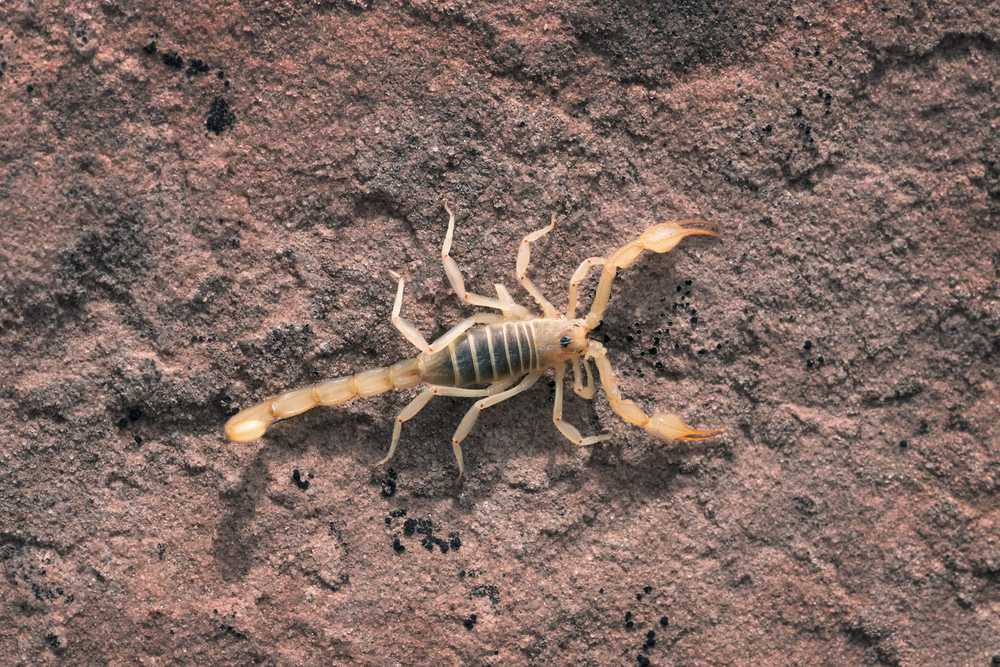
Desert Giants: The Fascinating World of the Giant Hairy Scorpion
The giant hairy scorpion, Hadrurus arizonensis, is the largest scorpion in North America and one of the most striking arachnids found in the deserts of the southwestern United States. Known for its yellow coloring, large pincers, and ability to survive in harsh desert environments, this species has attracted interest from researchers, wildlife enthusiasts, and exotic pet keepers alike. Exploring its appearance, habitat, behavior, and survival strategies offers a better understanding of how this remarkable scorpion thrives in one of the most demanding landscapes in North America.
- The giant hairy scorpion is the largest scorpion species in North America and is well adapted to desert life.
- It lives primarily in the Sonoran and Mojave deserts, where it survives by burrowing and hunting at night.
- Although its venom is relatively mild compared with that of more dangerous scorpion species, caution is still important when handling or encountering it.
Appearance and Identification
The giant hairy scorpion is easy to recognize once you know what to look for. It typically has a yellow body with a darker top and large pincers that give it a strong, crab-like appearance. As the largest scorpion in North America, it stands out from many other scorpion species because of its size and heavier build.
Some of its most recognizable traits include:
- a yellow body with a darker upper surface
- large pincers
- brown sensory hairs on the body
- a thick, curved tail with a stinger
How to Recognize It
One of its most distinctive features is the brown hairs that cover parts of its body. These hairs do more than add texture. They help the scorpion detect vibrations in the soil, allowing it to sense prey, predators, and movement in its environment. Its large pincers also help distinguish it from many other scorpions and play an important role in both hunting and defense.
Habitat and Range
The giant hairy scorpion is found mainly in the Sonoran and Mojave desert regions, especially across much of Arizona and parts of California. These scorpions thrive in hot, dry climates and prefer areas such as washes and low-elevation valleys.
Its range is most closely associated with:
- Arizona
- California
- the Sonoran Desert
- the Mojave Desert
Burrowing Habitats
Burrowing is one of this species’ most important survival strategies. Its burrows can extend several feet into the ground and provide protection from extreme daytime heat, predators, and dry surface conditions. These underground shelters create a more stable environment, allowing the scorpion to remain hidden during the day and emerge when conditions are cooler.
Because this scorpion is so well adapted to arid conditions, high humidity can create problems. Damp environments may expose it to fungal issues and other health risks, which is why it is strongly associated with desert climates rather than more humid regions.
Behavior and Diet
The giant hairy scorpion is primarily nocturnal. It spends the hottest part of the day inside its burrow and becomes active at night, when it hunts and explores its surroundings. This nightly activity helps it avoid dangerous daytime temperatures and also makes it easier to ambush prey.
Its diet consists mainly of large insects, spiders, and small vertebrates. It uses its pincers to capture prey and may use its sting when necessary to subdue it. Like many desert predators, it relies on patience, stealth, and quick reaction rather than constant movement.
When threatened, the giant hairy scorpion may attempt to flee, but it can also become defensive if cornered. It raises its pincers and curls its tail into a ready position to deter predators. The ability to detect vibrations in the soil gives it another important survival advantage, helping it sense danger before a threat gets too close.
Venom and Safety
Although the giant hairy scorpion looks intimidating, its venom is relatively mild compared with that of more dangerous scorpion species. A sting is usually painful, but for most healthy adults it is not life-threatening. The reaction is often compared to a honeybee sting and may include:
- localized pain
- redness
- swelling
Handling with Caution
Even though the medical risk is usually low, caution is still important. Any venomous animal can cause stress, discomfort, or stronger reactions in sensitive individuals. People with allergies or heightened sensitivity may react more strongly than expected.
For anyone considering keeping this species or handling one in the wild, limiting direct contact and using proper care measures can reduce the chance of injury. Respecting the animal’s space is one of the best ways to stay safe.
Reproduction and Lifespan
The giant hairy scorpion reproduces through viviparity, meaning the female gives birth to live young instead of laying eggs outside the body. After birth, the babies are small, pale, and dependent on their mother. They ride on her back for several weeks until they become more independent.
How Long They Live
This species can live a surprisingly long time. In the wild, giant hairy scorpions generally live around 7 to 10 years. In captivity, females may live significantly longer, with some reaching up to 20 years under proper conditions. Males usually have shorter lifespans than females.
Natural Predators and Threats
Despite their size and defensive abilities, giant hairy scorpions still face a number of natural predators. Birds such as owls may hunt them at night, while reptiles and small mammals may prey on them when the opportunity arises. Other scorpions can also pose a threat, creating competition and predation pressure within the same environment.
In addition to natural predators, environmental changes and habitat loss can affect their long-term survival. Changes in land use, reduced shelter, and disruptions to desert ecosystems can all make life more difficult for a species that depends heavily on stable burrowing conditions and dry habitats.
Even so, the giant hairy scorpion remains an excellent example of desert adaptation. Its burrowing habits, defensive behavior, and ability to survive with limited moisture all help it endure in an environment that many species could not tolerate.
Similar Species
The giant hairy scorpion is sometimes compared to species such as the Asian Forest Scorpion and the Emperor Scorpion. All three are large and visually impressive, but they differ greatly in habitat, appearance, and care needs.
The Asian Forest Scorpion and Emperor Scorpion both prefer more humid, tropical environments, unlike the giant hairy scorpion, which thrives in hot, dry desert regions. The Emperor Scorpion also tends to have a stockier appearance and a calmer reputation, while the giant hairy scorpion is more clearly adapted to arid terrain and burrowing life.
These comparisons help show how different scorpion species have evolved to match the environments they live in. While they may seem similar at first glance, their habitat needs and behaviors reveal major differences.
Keeping Giant Hairy Scorpions as Pets
Some people keep giant hairy scorpions as exotic pets because of their size, appearance, and long lifespan. However, they require specialized care and are not always the easiest scorpion for beginners. A proper enclosure should include a dry substrate that allows for burrowing, along with secure housing that prevents escape. Low humidity is important to help avoid health problems.
Feeding and Care
Feeding usually involves offering appropriately sized insects, such as crickets, on a regular schedule. Because these scorpions can be defensive and may behave aggressively toward one another, they are usually kept alone. Their environment must stay dry enough to avoid issues linked to excess humidity.
Is It a Good Pet for Beginners?
Compared with species like the Emperor Scorpion or Asian Forest Scorpion, the giant hairy scorpion may be more challenging for inexperienced keepers. Anyone considering one as a pet should be prepared for its specific habitat needs, limited handling, and more defensive temperament.
Why the Giant Hairy Scorpion Stands Out
The giant hairy scorpion is one of the most impressive arachnids in North America. Its large size, desert adaptations, nocturnal hunting habits, and long lifespan make it a fascinating species for anyone interested in desert wildlife.
Whether viewed as a desert predator, a unique captive species, or a powerful example of adaptation to extreme conditions, the giant hairy scorpion offers insight into how life persists in some of the harshest environments on Earth.
Frequently Asked Questions
How dangerous is the venom of the giant hairy scorpion?
The venom of the giant hairy scorpion is not highly dangerous to humans, as it is of low potency and typically causes pain comparable to a honeybee sting, accompanied by localized swelling and redness. Thus, while it may be uncomfortable, it is not lethal.
Where can giant hairy scorpions be found?
Giant hairy scorpions are primarily located in the Sonoran and Mojave deserts, predominantly in the western two-thirds of Arizona and parts of California.
What do giant hairy scorpions eat?
Giant hairy scorpions primarily consume large insects, spiders, and small vertebrates. This diverse diet allows them to thrive in their natural habitat.
How long do giant hairy scorpions live?
Giant hairy scorpions have varying lifespans: females can live up to 20 years in captivity, whereas males usually live between 7 to 10 years.
Can giant hairy scorpions be kept as pets?
Giant hairy scorpions can be kept as pets, but they necessitate specific care, including a suitable burrowing substrate and individual housing to prevent cannibalism. Proper attention to their needs is crucial for successful pet ownership.