Drywood Termites: Identification, Signs, and Common Look-Alikes
Learn how to spot drywood termites and tell them apart from bugs that look like termites. Get simple tips for identification and prevention.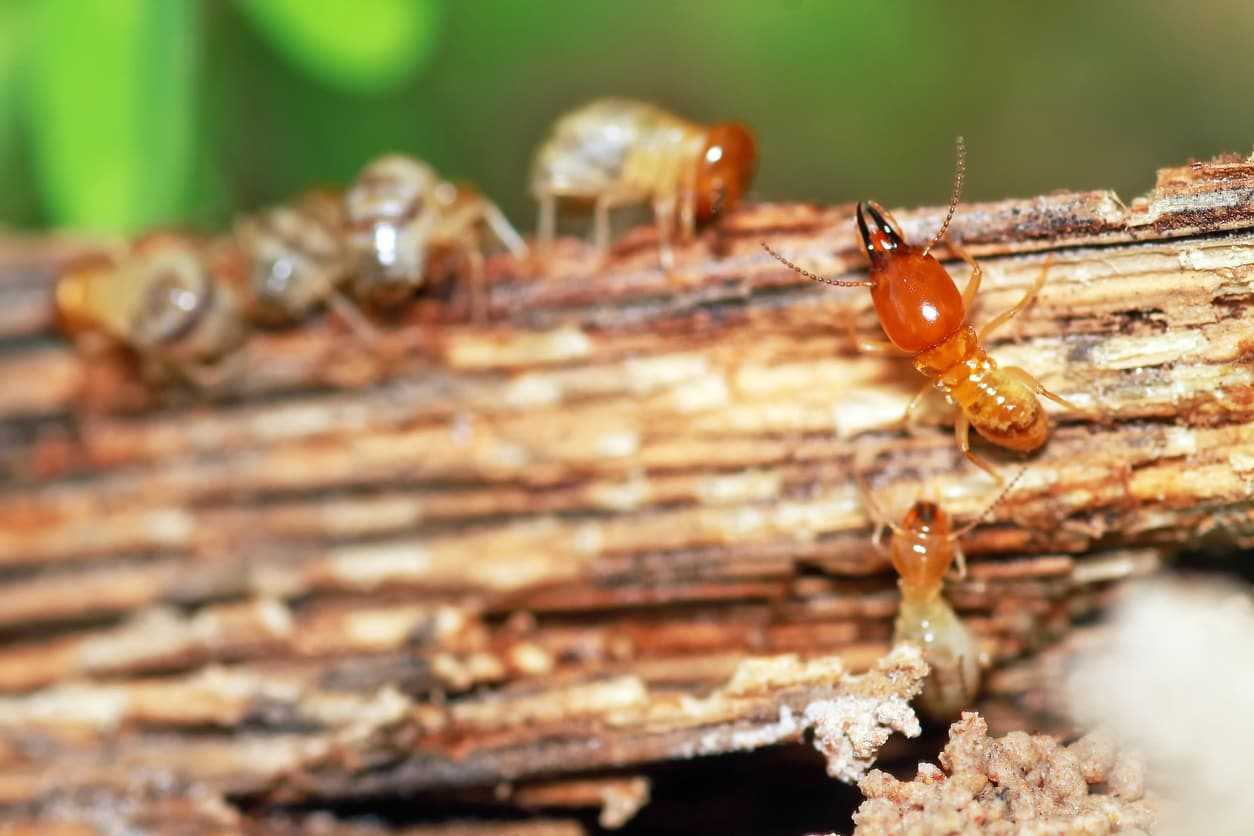
Identifying Drywood Termites and the Bugs People Mistake for Them
Drywood termites can be difficult to identify, especially because several other insects look similar at first glance. This article explains how to recognize drywood termites, how to tell them apart from common look-alike bugs, and what warning signs may point to a termite problem in your home.
What to Know
- Drywood termites live directly inside wood and do not need contact with soil.
- Several insects, including carpenter ants, powderpost beetles, and flying ants, are often mistaken for drywood termites.
- Correct identification is important because each pest requires a different treatment approach.
How to Identify Drywood Termites
Drywood termites are small, pale insects that live directly inside dry wood. Unlike subterranean termites, they do not need contact with soil to survive. Their presence is often harder to detect because they stay hidden inside wood, furniture, or structural materials for long periods.
Recognizing their appearance, behavior, and nesting habits can help homeowners tell them apart from other insects before serious damage develops.
Appearance
Drywood termites are usually light brown to creamy white, depending on their role in the colony. Winged reproductive termites, known as alates, have two pairs of equal-sized wings and straight antennae. Unlike ants, they have a thicker waist and a more uniform body shape.
These physical traits make them easier to distinguish from common look-alikes such as flying ants.
Behavior
Drywood termites often swarm during warm periods, especially in late summer or fall, when reproductive termites leave the colony to start new nests. Homeowners may notice shed wings near windows, doors, or light sources after a swarm.
This swarming behavior is one of the most noticeable signs of termite activity and can help distinguish a termite issue from other wood-damaging pests.
Nesting Habits
Unlike subterranean termites, drywood termites live directly inside dry wooden materials. They may infest walls, floors, furniture, trim, and other wood structures without needing soil contact. Because they remain hidden inside the wood, infestations often go unnoticed until damage or frass appears.
Common Bugs That Look Like Drywood Termites
Several insects can look like drywood termites at first glance, which makes identification difficult for homeowners. Misidentifying them can lead to ineffective treatment and continued damage.
Carpenter Ants
Carpenter ants are often mistaken for termites because they also nest in wood. However, they have a narrow waist, bent antennae, and a body color that ranges from reddish-brown to black. Unlike drywood termites, carpenter ants do not eat wood. Instead, they hollow it out to create galleries for nesting. Their winged swarmers are also different from termite swarmers because the front wings are longer than the back wings.
Powderpost Beetles
Powderpost beetles are small wood-boring insects that may be confused with drywood termites because they also infest wood. They are usually smaller than drywood termites and create tiny, round exit holes about the size of a pinhead. Their frass is also different, appearing more like a fine powder, while drywood termite droppings are pellet-shaped.
Flying Ants
Flying ants are another common insect mistaken for drywood termites. Their front wings are longer than their back wings, while drywood termite wings are equal in size. Flying ants also have elbowed antennae and a narrow waist, unlike the straighter antennae and thicker body shape of drywood termites. Although flying ants may swarm during warm weather like termites, they do not cause wood damage.
Carpenter Bees
Carpenter bees and drywood termites both infest wood, but they behave very differently. They live alone and bore individual nests into wood, while drywood termites live in colonies and spread through the material over time. This solitary nesting behavior makes carpenter bees less destructive than colony-forming drywood termites.
Acrobat Ants
Acrobat ants are a notable species often mistaken for drywood termites due to their similar habitats. These ants have a unique shape characterized by a narrow waist and large, rounded gaster.
When disturbed, acrobat ants exhibit a distinctive behavior by standing on their head and lifting their abdomen and legs. These unique features and behaviors make it easier to identify acrobat ants and differentiate them from drywood termites.
Signs of Termite Infestation
Drywood termite infestations often remain hidden until visible signs begin to appear. The most common warning signs include wood damage, frass, and shed wings left behind by swarmers.
Catching these signs early can help prevent more serious structural damage and reduce the cost of treatment.
Wood Damage
Drywood termites feed from inside the wood outward, which can leave the outer surface looking mostly intact while the inside becomes hollowed out. Wood that sounds hollow when tapped, crumbles easily, or shows internal tunneling may be a sign of infestation.
Regular inspection of exposed wood, trim, furniture, and structural materials can help catch damage before it becomes severe.
Frass
Drywood termite frass looks like tiny, pellet-shaped droppings that often collect near kick-out holes in infested wood. These pellets may resemble coarse sawdust or small grains and are one of the clearest signs of drywood termite activity.
Finding frass near wood surfaces, windowsills, or furniture often means termites are active nearby.
Shed Wings
Winged reproductive termites often shed their wings shortly after swarming. Homeowners may find these wings near windows, doors, or light sources. Because drywood termite swarmers are one of the most visible signs of infestation, shed wings can be an important clue that a colony may be active nearby.
How to Help Prevent Drywood Termite Problems
Preventing drywood termite infestations starts with reducing the conditions that allow them to settle into wood structures. Regular inspections, moisture control, and wood treatment can all help lower the risk of infestation and reduce the chance of costly damage.
Regular Inspections
Routine inspections enable early detection of termite activity, crucial for minimizing damage and allowing for more effective treatment. Regular inspections are vital for maintaining a termite-free environment and protecting property from infestations.
It’s advisable to schedule inspections with professionals to ensure thorough checks.
Moisture Control
Reducing moisture levels around the home deters termites, as they are attracted to damp environments. Addressing leaks and ensuring proper drainage also helps keep the area dry and less appealing to termites.
Keeping vents clear of blockages helps maintain airflow and reduce moisture levels that attract termites. Promptly repairing leaks is also crucial in preventing termite-friendly conditions.
Wood Treatment
Wood treatment can help make wooden structures less attractive to termites and reduce the risk of infestation. Common methods include applying liquid insecticides during construction or using borate-based products on exposed wood to help deter termite activity.
Physical barriers, such as steel mesh and concrete, can be installed around foundations and in walls to create a protective zone against termites. Combining chemical and physical treatment methods maximizes the effectiveness in preventing termite infestations in wooden structures.
When to Call a Professional
Persistent or significant termite infestations require professional help. If you continue to notice signs of termite activity, such as frass, shed wings, or wood damage, it is best to contact a pest control expert. A professional inspection can confirm whether you are dealing with drywood termites or another wood-damaging pest and help determine the most effective treatment plan before the damage becomes more severe.
Protecting Your Home from Termites
Drywood termites can be difficult to spot, especially when they are mistaken for other insects that look similar. Learning how to identify their appearance, behavior, and warning signs can help homeowners respond more quickly and avoid more serious structural damage.
When termite activity is suspected or signs of infestation are already visible, professional treatment may be the most effective way to protect your home and prevent the problem from getting worse.
Frequently Asked Questions
What are the key features of drywood termites?
Drywood termites are characterized by their creamy white bodies, approximately 3/8 inch long, and uniform wings. They also possess straight antennae and a broad waist, distinguishing them from other termite species.
How can I differentiate between carpenter ants and drywood termites?
To differentiate between carpenter ants and drywood termites, note that carpenter ants have a narrow waist, bent antennae, and are larger (9.5 to 13 millimeters), while termites have a more uniform body shape and straight antennae. Remember, carpenter ants hollow out wood for nesting rather than consuming it.
What are the signs of a termite infestation?
Signs of a termite infestation are uneven or sagging flooring, hollow-sounding wood, mud tubes, and frass, which are pellet-like droppings. If you notice any of these signs, it’s crucial to address the issue promptly.
What preventative measures can I take against termites?
To effectively prevent termite infestations, conduct regular inspections, control moisture levels, and treat wood with appropriate chemicals. Implementing these strategies will significantly reduce your risk of encountering termites.
When should I seek professional pest control services?
You should seek professional pest control services when you observe persistent signs of pest activity, like ongoing termite swarms or fresh wood damage. Timely intervention can help effectively manage and eliminate infestations.