What Time Are Mosquitoes Most Active? Nighttime Peak Hours
Learn when mosquitoes are most active at night, when they slow down, and the best times to avoid bites or enjoy the outdoors.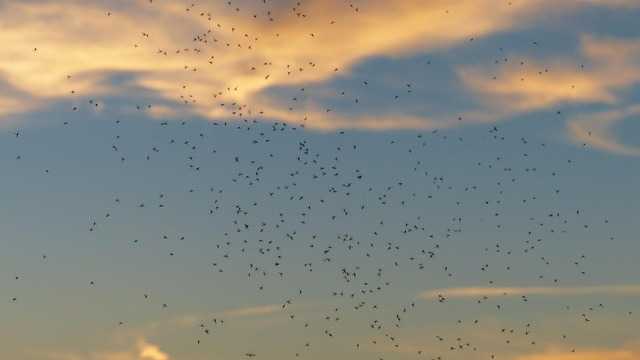
Learn when mosquitoes are most likely to bite after dark and how to reduce your risk during peak nighttime activity.
When do mosquitoes go away at night? In many cases, mosquito activity drops during the cooler early morning hours, but the exact timing depends on the species and the weather. This guide explains when mosquitoes are most active at night, what environmental factors affect them, and how to reduce mosquito bites after dark.
- Mosquitoes are often most active in the evening, at dusk, and during the early nighttime hours, though activity varies by species.
- Warm temperatures, high humidity, and low light conditions can all increase nighttime mosquito activity.
- Repellents, traps, and reducing standing water can help lower mosquito activity around the home.
Nighttime Mosquito Activity
Mosquitoes are often most active during the evening, around dusk, and into the early nighttime hours. Some species remain active overnight, while others slow down as temperatures drop closer to morning. Because activity varies by species, understanding when mosquitoes are most likely to bite can help you avoid peak exposure.
Common House Mosquito
The Common House Mosquito is a well-known nighttime biter. It is most active during the evening and night, which makes it a common source of mosquito bites after dark. If you have ever been bitten while spending time outside in the evening, this species may have been responsible.
Knowing when this mosquito is most active can help you plan around peak biting hours and take precautions such as using insect repellent before heading outdoors.
Culex Mosquitoes
Culex mosquitoes are another species known for their nighttime activity. They are usually most active from evening until early morning, often between about 8:00 PM and 6:00 AM. Their activity tends to drop before sunrise, which is why very early morning hours may feel slightly less intense outdoors.
These mosquitoes are not just a nuisance. They can also spread diseases such as West Nile virus and Eastern Equine Encephalitis, which makes understanding their activity patterns especially important.
Aedes Aegypti
Aedes aegypti mosquitoes have a unique nocturnal behavior. They usually emerge at twilight and engage in feeding behaviors before sunrise. These mosquitoes retreat when the sun is high, making them less of a threat during the day. Known for spreading diseases like Zika virus, dengue fever, and yellow fever, Aedes aegypti are particularly dangerous.
Knowing their activity patterns allows for effective preventive measures during their active hours. Whether it’s using insect repellent or installing insect traps, knowing when these mosquitoes are most active can significantly reduce your risk of getting bitten.
What Affects Mosquito Activity at Night
Several environmental elements like temperature, humidity, and light conditions play a crucial role in determining mosquito activity levels during nighttime. Knowing these factors helps predict mosquito activity and take appropriate protective measures.
Mosquitoes are more active in warm, humid conditions as these environments support their survival. However, their activity generally decreases as temperatures drop below 50°F. Let’s examine how each of these factors influences mosquito behavior.
Temperature
Temperature plays a major role in mosquito activity. Mosquitoes are usually more active when temperatures stay warm, especially above 80°F, and they often become more noticeable during cooler evening hours when they are less likely to dry out.
As temperatures fall below 50°F, mosquito activity usually drops. Understanding this pattern can help homeowners avoid peak mosquito hours and better plan outdoor activities.
Humidity
High humidity levels can enhance mosquito activity by preventing dehydration. In dry conditions, mosquito activity decreases as they struggle to find sufficient moisture. As a result, mosquitoes are often more active in wet areas that provide the moisture they need to survive.
Humidity significantly influences mosquito behavior and nighttime activity. Knowing how humidity affects mosquitoes helps predict their activity and take protective measures like avoiding standing water and using dehumidifiers.
Light Conditions
Mosquitoes are generally less active in bright light and more active in low-light conditions such as dusk, evening, and nighttime. Natural light changes help influence when mosquitoes emerge and when they retreat.
Because many species prefer lower light, evenings and shaded areas often feel worse for mosquito activity than bright daytime conditions.
How to Avoid Mosquito Bites at Night
Avoiding mosquito bites at night usually requires a mix of personal protection and environmental control. Repellents, traps, and reducing mosquito-friendly conditions around the home can all help lower your risk.
Small steps such as covering skin, using EPA-registered repellents, limiting standing water, and improving outdoor airflow can make a noticeable difference during peak mosquito hours.
Using Insect Repellents
Insect repellents containing DEET or Picaridin are effective for protection against mosquito bites. Repellents containing DEET provide effective protection, with concentrations between 10% to 35% offering adequate coverage in most situations. Picaridin is a notable alternative to DEET, providing long-lasting mosquito protection without causing skin irritation.
Using insect repellent with EPA-registered active ingredients can significantly reduce mosquito bites at night. Applying these repellents before heading outdoors can provide that extra protection you need.
Installing Insect Traps
Insect traps can help decrease mosquito populations by attracting and capturing them. Electric insect traps can effectively capture mosquitoes and reduce their presence in outdoor areas during the night. These traps use light and carbon dioxide to lure mosquitoes, making them a practical solution for outdoor areas.
Placing insect traps strategically around your home can help you avoid mosquitoes and enjoy your outdoor spaces in shady areas without constant annoyance from insects.
Creating a Mosquito-Free Environment
Reducing standing water around the home is one of the most important ways to lower mosquito populations. Buckets, birdbaths, clogged gutters, plant trays, and other areas where water collects can quickly become breeding sites.
It also helps to use screens, mosquito nets, and outdoor fans in gathering areas. These steps can make the environment less inviting and reduce nighttime mosquito activity around your home.
When Mosquitoes Go Away for the Season
Mosquito season typically starts in the spring when temperatures reach 50°F. As temperatures drop below 50°F, mosquito populations generally decrease. Knowing this timeline helps prepare for peak mosquito season and take measures to reduce their presence.
Mosquito populations generally decrease as temperatures drop in the colder months. However, they do not completely disappear and can still be a nuisance in the fall.
Peak Mosquito Season
Mosquito season typically peaks from late spring through summer, when warm temperatures and higher humidity support mosquito breeding and activity. During these months, mosquitoes are more active overall, increasing the likelihood of bites and mosquito-borne illness.
Knowing when mosquito season is at its worst can help homeowners take preventive steps earlier and reduce mosquito activity around the home.
Late Fall and First Frost
Mosquitoes can remain active until temperatures consistently drop below 50°F, allowing them to breed and bite during warmer fall days. While activity decreases in cooler weather, mosquitoes can remain a nuisance during warmer fall days.
Continued mosquito control efforts during the fall can significantly reduce mosquito numbers for the following spring. Mosquito eggs laid by mosquitoes in the fall can survive winter temperatures and hatch once spring arrives, leading to increased populations.
Professional Mosquito Control
When mosquito activity becomes difficult to manage with basic prevention methods, professional mosquito control may be the best option. A professional can identify breeding areas, treat problem zones, and recommend longer-term strategies to reduce mosquito activity around the property.
This can be especially helpful in areas with persistent standing water, heavy mosquito pressure, or recurring nighttime biting activity.
Keeping Mosquitoes Away at Night
Mosquitoes are often most active during the evening and early nighttime hours, especially when warm temperatures, humidity, and low light conditions support their activity. Knowing when they are most likely to bite can help you plan around peak times and reduce the risk of exposure.
By using repellents, reducing breeding sites, and responding early to mosquito activity around the home, you can make outdoor spaces more comfortable and lower the chance of nighttime bites.
Frequently Asked Questions
When are mosquitoes most active at night?
Mosquitoes are most active at night during dusk and dawn, particularly around sunset. Therefore, it’s advisable to take precautions during these times to minimize exposure.
What temperatures do mosquitoes prefer for peak activity?
Mosquitoes prefer temperatures above 80°F for peak activity, and their activity significantly decreases when temperatures fall below 50°F.
How can I protect myself from mosquito bites at night?
To protect yourself from mosquito bites at night, apply insect repellents containing DEET or Picaridin and consider using insect traps to create a mosquito-free environment. These measures will help ensure a more comfortable night.
When does mosquito season typically end?
Mosquito season usually ends in late fall when temperatures consistently drop below 50°F. Monitoring the temperature can help you anticipate their decline.
What are the benefits of hiring professional mosquito control services?
Hiring professional mosquito control services ensures effective population management through long-lasting results, advanced techniques, and environmentally-friendly practices. This not only enhances comfort but also reduces the risk of mosquito-borne diseases. environment, store food in airtight containers, dispose of garbage properly, seal any cracks or gaps in your home, and promptly address plumbing issues. These steps will significantly reduce the likelihood of infestations.