How to Get Rid of Ants: Quick, Effective Pest Control Tips
Looking for pest control for ants? Learn safe, simple, and effective ways to get rid of ants and keep your home ant-free today.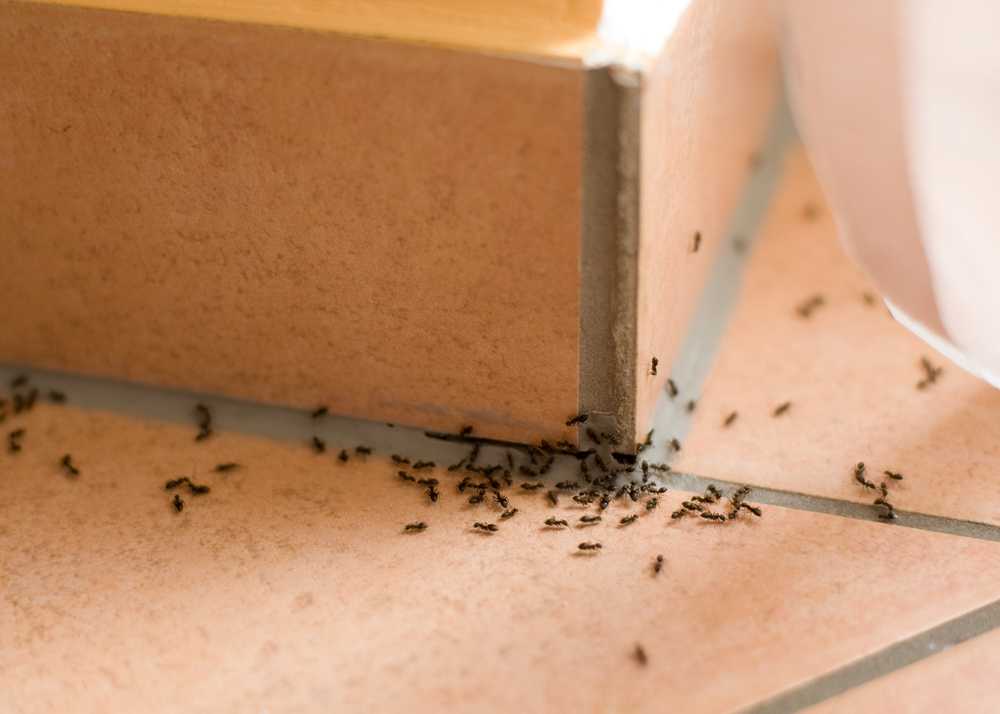
Pest Control for Ants: What Homeowners Should Know
Got ants invading your home? This guide explains how to identify common ant species, spot the signs of an infestation, use effective treatment methods, and prevent ants from coming back.
What to Know
- Identifying the ant species is important because different ants respond better to different treatment methods.
- Early signs of infestation include live ants in food areas, visible trails, and nests near the home.
- Long-term control usually works best when treatment is combined with sanitation, moisture reduction, and sealing entry points.
Identifying Common Ant Species
Recognizing the ant species in your home helps determine the most effective control plan. Different species have different nesting habits, food preferences, and risks, which means one treatment method may work well for one species but not for another.
Carpenter Ants
Carpenter ants are large, often black or reddish-black ants that create nests in wood. They do not eat wood, but they tunnel through it to build galleries, which can lead to structural damage over time. Their presence may also suggest moisture problems around the home, since they are often drawn to damp or softened wood.
Homeowners often first notice carpenter ants because of sawdust-like material near wooden structures, windows, or trim. When left untreated, these ants can continue expanding their galleries and make damage worse.
Fire Ants
Fire ants are aggressive, reddish ants known for their painful stings. They usually build large mounds in sunny, open areas such as yards, near sidewalks, or around landscaping. If disturbed, they can swarm quickly and sting in large numbers.
Because of their painful stings and large colony size, fire ants are one of the more serious ant problems for homeowners. In some cases, their stings can also trigger allergic reactions that require medical attention.
Pharaoh Ants
Pharaoh ants are tiny, light yellow ants that often nest indoors in warm, humid spaces such as behind baseboards, inside walls, and near plumbing. Their small size makes them harder to detect early, and they often spread through buildings by forming multiple colonies.
These ants can be especially difficult to control because disturbing one colony may cause them to split and move. That is why species identification matters so much before treatment begins.
Odorous House Ants
Odorous house ants are small ants that give off a coconut-like smell when crushed. They commonly nest near food and moisture sources, which is why they often show up in kitchens, bathrooms, and around sinks or dishwashers.
Although they do not usually cause structural damage, they can be persistent indoor pests. Their strong attraction to sweets and food residue makes sanitation especially important when managing them.
Signs of an Ant Infestation
Early signs of an infestation often include visible ant trails near food or water, repeated sightings indoors, and small nests or soil mounds around the property. Some ants may also gather near pet food, trash, sugary spills, or cracks along foundations and entry points.
Homeowners often first notice ants in kitchens, bathrooms, laundry rooms, garages, or along baseboards where moisture and food are easier to find. If activity continues in the same areas or increases over time, the infestation may be spreading deeper into walls, soil, or structural voids.
The sooner these signs are noticed, the easier it usually is to manage the problem before the colony grows larger.
Effective Pest Control Methods for Ants
Controlling ants usually requires a mix of direct treatment and long-term prevention. The best method often depends on the species involved, where the nest is located, and whether the infestation is indoors, outdoors, or both.
Baits and Insecticides
Ant baits are one of the most effective treatment tools because worker ants carry the bait back to the colony, helping eliminate the nest over time. Insecticides can also help reduce visible activity when applied around entry points or active nesting areas.
Baits are often especially useful because they target the colony rather than only the ants you can see. This makes them more effective than simply spraying trails and hoping the problem disappears.
Natural Remedies
Some homeowners use natural remedies such as vinegar, peppermint oil, lemon oil, or tea tree oil to disrupt scent trails and repel ants. These methods may help with light activity, but they are usually less effective for established infestations.
Natural remedies can still be useful as part of a broader prevention plan, especially when paired with sanitation and sealing entry points.
Targeted Treatments for Specific Species
Certain species need more focused treatment. Carpenter ants often require treatment around damaged wood and moisture-prone areas, while fire ants may need direct mound treatment or specialized baiting to eliminate the colony.
This is why identifying the species matters so much. The more closely the treatment matches the ant’s nesting behavior and food preference, the better the results are likely to be.
Preventing Future Ant Problems
Preventing ants from returning starts with removing the conditions that attract them. Important steps include:
- sealing cracks and gaps around windows, doors, and foundations
- storing food in sealed containers
- cleaning up crumbs, spills, and pet food promptly
- fixing leaks and reducing moisture around the home
- trimming trees and shrubs away from the structure
- keeping trash containers closed and clean
These steps can make your home much less attractive to ants and help support any treatment plan you use. Preventive work is especially important because ants often return when the same food, water, or shelter conditions remain in place.
Regular inspection around kitchens, bathrooms, patios, and foundation lines can also help catch small problems before they become larger infestations.
Understanding Ant Behavior
Ants rely heavily on pheromone trails to guide other workers to food and water. That is why a small number of ants can quickly turn into a visible trail. Once a trail is established, more ants may continue using it until the food source disappears or the trail is disrupted.
Ants also adapt well to hidden nesting sites such as wall voids, attics, under floors, and areas near water sources. Understanding how ants move and where they nest can make both prevention and treatment more effective.
When Professional Pest Control Makes Sense
Professional pest control may be the best option when ant activity keeps returning, when nests are hidden, or when species such as carpenter ants or fire ants create greater health or structural concerns. A trained technician can identify the species, locate likely nesting areas, and recommend a treatment plan that is more thorough than most DIY methods.
Professional help can also be useful when infestations spread into walls, yards, crawl spaces, or other difficult-to-treat areas where simple baiting or surface treatment may not be enough.
Keeping Ants Out of Your Home
Ant infestations are easier to manage when you identify the species early, remove food and moisture sources, and respond before colonies grow larger. A combination of targeted treatment, prevention, and regular monitoring can help protect your home from future ant problems.
When infestations become severe or keep returning, professional pest control may be the most effective next step.
Frequently Asked Questions
How can I identify if I have a carpenter ant infestation?
To identify a carpenter ant infestation, look for large black or bicolored ants and signs of wood damage, including smooth tunnels and sawdust near potential nesting sites. Immediate action is advisable if you notice these indicators.
What are the best natural remedies for ant control?
The best natural remedies for ant control include essential oils such as peppermint and lemon, DIY vinegar traps, and a mixture of boric acid with sugar water. These methods can effectively deter and eliminate ants without harmful pesticides.
Why should I hire a professional pest control service?
Hiring a professional pest control service ensures you benefit from their advanced materials, thorough inspections, and specialized treatments, which are significantly more effective than DIY methods. This expertise can lead to a more permanent solution to your pest problems.
How can I prevent future ant infestations?
To prevent future ant infestations, seal all entry points and eliminate food and water sources that are accessible to them. Regular inspections can help you detect and address potential problems early.
What are the signs of a fire ant infestation?
The signs of a fire ant infestation include the presence of reddish-brown ants and large soil mounds in open areas. Their aggressive behavior and painful bites are clear indicators of an established nest.