How to Get Rid of Rodents: Safe, Effective Solutions
Get rid of rats and mice with expert rodent removal tips. Learn safe, effective methods to protect your home and keep rodents away for good.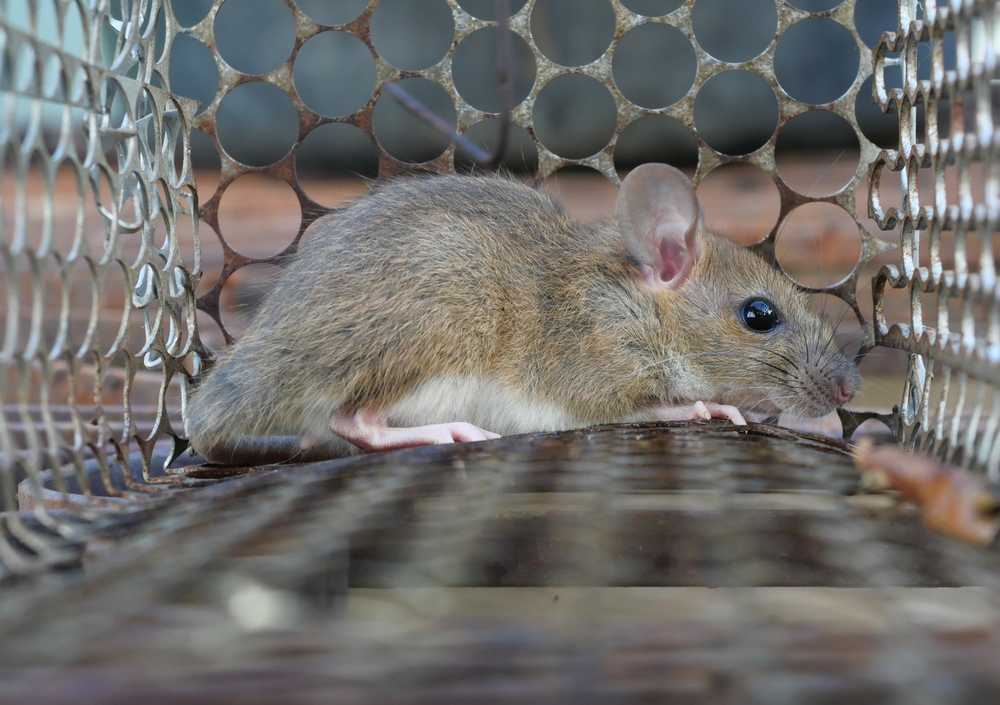
Effective Rodent Removal: Top Methods and Solutions
Rodents can damage insulation, wiring, food packaging, and structural materials while also contaminating surfaces with droppings and urine. Because mice and rats are often most active at night, an infestation may develop before the animals are seen directly.
Effective rodent removal begins with identifying the signs of activity, locating entry points, and selecting the right trapping or control method. Long-term prevention also requires reducing access to food, water, and shelter around the home.
How to Identify a Rodent Infestation
Early detection can help limit property damage and prevent rodents from becoming established throughout the home.
Common signs of rodent activity include:
- Droppings in cabinets, drawers, garages, or storage areas
- Gnaw marks on food packaging, wood, plastic, or wiring
- Scratching or scurrying noises at night
- Shredded paper, fabric, or insulation used for nesting
- Greasy rub marks along walls or baseboards
- Unusual or persistent odors
- Small openings around foundations, pipes, doors, or vents
- Pet behavior focused on a wall, cabinet, or appliance
The size and shape of droppings, tracks, and gnaw marks may help distinguish between mice and rats. Avoid handling droppings or nesting materials with your bare hands.
Inspecting the Home for Rodents
A detailed inspection can reveal where rodents are entering, nesting, and traveling.
Begin with areas where food, water, warmth, and shelter are available, including:
- Kitchens and pantries
- Garages and sheds
- Basements and crawl spaces
- Attics
- Utility rooms
- Storage areas
- Spaces behind appliances
- Areas beneath sinks
- Exterior walls and foundations
Inspect even small gaps around utility lines, plumbing penetrations, vents, windows, garage doors, rooflines, and foundations.
Exterior inspections should also include vegetation, firewood, outdoor storage, trash containers, and debris near the home. These areas can provide shelter and make it easier for rodents to approach the structure.
Effective Rodent Removal Methods
The best removal method depends on the rodent species, level of activity, location of the infestation, and whether children or pets have access to the affected area.
Traps should be placed along walls and known travel routes, particularly near fresh droppings, nesting materials, or gnaw marks. Remove competing food sources, check traps daily, and wear gloves when handling traps or rodents.
Snap Traps
Snap traps are commonly used for mice and rats because they can quickly dispatch rodents when properly selected and positioned.
Place traps perpendicular to walls with the trigger end facing the wall. Rodents often travel along edges, making this placement more likely to intercept them.
Use traps designed for the correct rodent. A mouse trap may not be strong enough for a rat, while an oversized trap may not trigger properly for a mouse.
Keep traps away from children and pets, or place them inside secured trap stations.
Rats may be cautious around unfamiliar objects. Leaving traps unset for a brief period may allow them to become accustomed to the traps before they are activated.
Electronic Traps
Electronic traps deliver a high-voltage shock when a rodent enters the unit. They are enclosed, reusable, and can reduce direct contact with captured rodents.
These traps work best when positioned along active travel routes and when other food sources have been removed. Follow the manufacturer’s instructions for baiting, cleaning, and placement.
Live-Capture Traps
Live-capture traps hold rodents without immediately killing them. They must be checked frequently so captured animals are not left without food or water.
Relocating rodents may be restricted in some areas and may not solve the problem if entry points remain open. Released rodents may also struggle to survive or attempt to return.
Anyone considering live capture should review local regulations and understand the practical limitations of relocation.
Glue Traps
Glue traps restrain rodents on an adhesive surface. Although they are widely available, they can cause prolonged distress and may also capture non-target animals.
Because of these concerns, snap traps or other enclosed trapping methods are generally preferable. Any trap should be inspected regularly and handled according to its instructions.
Bait Stations and Rodenticides
Rodenticides may be used in secured bait stations, but they require careful handling. Improper placement can expose children, pets, and wildlife to toxic bait.
Poisoned rodents may also die inside walls or other inaccessible spaces, creating odor and sanitation problems.
Use only products labeled for the intended location and rodent species. Follow all label directions, and consider professional assistance when baiting is necessary.
Preventing Future Rodent Infestations
Removing the current rodents will not provide lasting results if the entry points and conditions attracting them remain.
Seal Openings
Inspect the exterior of the home and seal gaps around:
- Pipes and utility lines
- Foundation cracks
- Doors and garage doors
- Windows
- Roof vents
- Eaves and rooflines
- Crawl-space openings
- Siding and exterior trim
Use durable materials appropriate for the opening. Rodents can chew through foam, plastic, and other soft materials, so larger gaps may require metal mesh, flashing, hardware cloth, or another rodent-resistant material.
Eliminate Food Sources
Store pantry goods, birdseed, and pet food in tightly sealed containers. Clean crumbs, spills, and grease from floors, counters, appliances, and cabinets.
Do not leave pet food out overnight, and keep indoor and outdoor trash containers securely closed.
Reduce Water Sources
Repair leaking pipes, faucets, irrigation lines, and appliances. Empty standing water and address drainage problems around the home.
Even small water sources can help sustain rodent activity.
Remove Nesting Areas
Reduce clutter in garages, attics, basements, and storage rooms. Replace damaged cardboard boxes with sealed plastic containers when practical.
Outside the home:
- Store firewood away from exterior walls.
- Trim vegetation near the structure.
- Remove leaf piles and yard debris.
- Keep outdoor storage organized.
- Avoid allowing unused equipment to remain undisturbed.
These changes reduce shelter and make new activity easier to detect.
Health and Safety Concerns
Rodents can contaminate food, preparation areas, and stored belongings with urine, droppings, saliva, and nesting materials. They may also carry fleas, ticks, and other parasites.
Avoid sweeping or vacuuming dry droppings, as this can stir contaminated particles into the air. Ventilate the area when possible, wear gloves, and use an appropriate disinfectant before wiping up waste.
Heavily contaminated areas, large accumulations of droppings, and enclosed spaces may require professional cleanup.
Seek medical guidance if someone becomes ill after significant exposure to rodent waste or experiences symptoms following a rodent bite.
When Professional Rodent Control May Be Needed
Professional help may be appropriate when:
- Rodents continue to appear after trapping
- Activity is present in walls, ceilings, ductwork, or several areas of the home
- Entry points are difficult to locate
- Wiring or structural materials are damaged
- Contamination is extensive
- Children or pets could access traps or bait
- The infestation involves significant rat activity or multiple nesting areas
A professional inspection can help identify the rodent species, locate entry points, determine the extent of activity, and develop a removal and exclusion plan.
Treatment may include trapping, secured bait stations, removal of nesting materials, sanitation recommendations, and repairs that help prevent rodents from returning.
Frequently Asked Questions
How much does it cost to get rid of rodents?
To eliminate rodents, expect to pay between $100 and $600 for small infestations, while larger issues with multiple colonies may cost around $1,000. It’s crucial to assess the severity of the problem to get an accurate estimate.
What are the common signs of a rodent infestation?
The common signs of a rodent infestation include droppings, gnawed items, unusual odors, scratching noises, and small holes up to 2 inches wide. It’s important to address these signs promptly to prevent further issues.
What are some humane rodent removal options?
Humane traps, such as multiple-catch traps and catch-and-release cage traps, are effective options for capturing and relocating rodents safely and ethically. These methods ensure that the animals are not harmed during the removal process.
How can I prevent future rodent infestations?
To prevent future rodent infestations, seal entry points, store food in airtight containers, maintain cleanliness, and eliminate outdoor debris. These proactive measures will help keep your space rodent-free.
What health risks are associated with rodent infestations?
Rodent infestations pose serious health risks, including the transmission of diseases such as hantavirus, leptospirosis, and salmonellosis, primarily through contaminated food and surfaces. Effective pest control is crucial to mitigate these risks.