Roaches in the House: Identification, Risks & Removal Tips
Learn how to identify a house roach, understand the health risks they pose, and discover effective ways to eliminate and prevent them.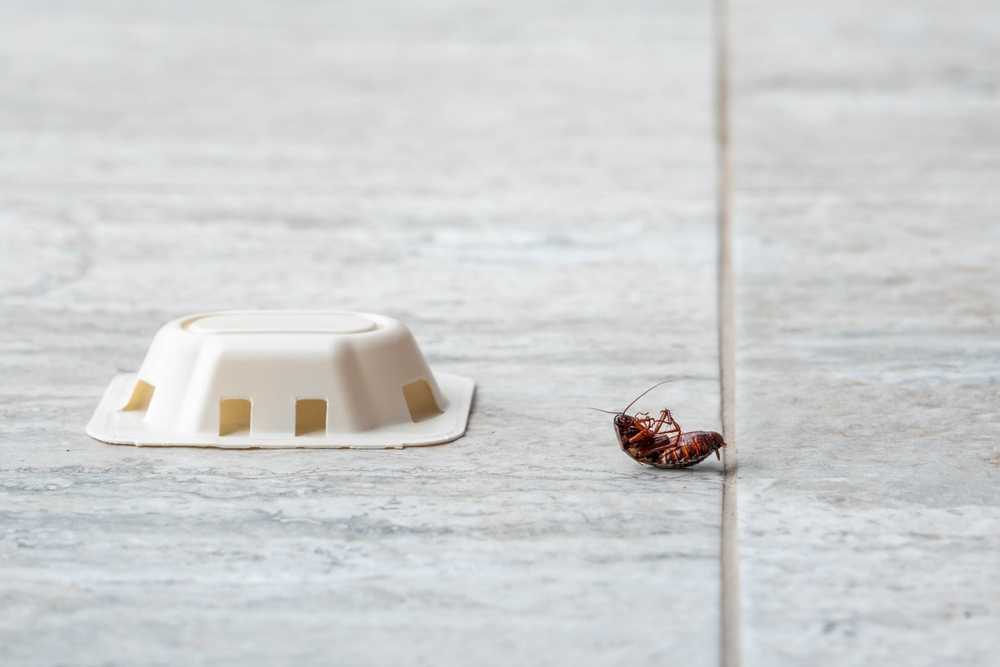
House Roach Infestations: Signs, Prevention, and Treatment
House roaches are more than just a nuisance. They can contaminate food, spread bacteria, and become difficult to control once they settle into your home. This article explains how to identify common house roach species, spot the signs of an infestation, understand how they get inside, and use prevention and treatment methods to help keep your home roach-free.
What to Know
- Identifying the roach species can help guide the most effective treatment.
- Early signs such as droppings, odors, egg cases, and live roaches can point to an infestation.
- Prevention, sanitation, and targeted treatment work best when combined.
Identifying Common House Roach Species
Determining the specific roach species in your home is essential for effective pest control. Each species has distinct behaviors, habitats, and vulnerabilities, so accurate identification is key.
German Cockroach
The German cockroach is one of the most common household pests. Measuring between 1/2 to 5/8 inch long, these bronze-colored roaches are easily identifiable by the two dark stripes on their thorax. German cockroaches prefer warm, humid environments, which is why they are often found in kitchens and bathrooms.
American Cockroach
The American cockroach is much larger and can grow up to 1.5 inches long. These reddish-brown roaches are often found in warm, moist areas such as basements, sewers, and utility spaces. Their size and speed make them especially noticeable when infestations occur indoors.
Oriental Cockroach
Oriental cockroaches, measuring about 1-1/4 inches, are another common species. These dark brown roaches thrive in damp conditions and often produce a pungent odor when disturbed. They are commonly found in basements, crawl spaces, drains, and other cool, moist areas.
Other Common Species
Other species include the brown-banded cockroach, which prefers warm, dry environments and is often found in higher locations within homes, and the smokybrown cockroach, which is attracted to lights and can fly short distances. Knowing these differences can help homeowners tailor their pest control strategy more effectively.
Signs of a House Roach Infestation
Early recognition of a roach infestation can save significant trouble later. Common warning signs include droppings, musty odors, shed skins, egg cases, and live roaches appearing in active areas.
Cockroach droppings that resemble black pepper or coffee grounds in areas like kitchen cabinets, behind appliances, and bathroom corners are a common sign of roach activity. A musty or foul odor can also signal a growing cockroach population. Egg cases and shed skins, often found in dark corners or hidden spaces, usually indicate active breeding.
Seeing live roaches during daylight hours is especially concerning, since these nocturnal pests usually stay hidden. In many cases, daytime sightings suggest a more serious infestation that needs immediate attention.
How House Roaches Enter Your Home
Knowing how roaches get inside is important for prevention. These pests often enter through cracks and gaps around doors and windows, as well as tiny crevices in foundations and walls.
Plumbing and drainage systems can serve as hidden pathways for roaches. In multi-family buildings, shared walls and electrical conduits can also help them move between units. Vents and chimneys may become entry points if they are not properly maintained.
Sealing cracks and keeping up with basic home maintenance can greatly reduce the risk of an infestation.
Life Cycle of House Roaches
Cockroaches go through three stages: egg, nymph, and adult. Nymphs look like smaller adults and molt several times before reaching maturity. Understanding this cycle helps support treatment that targets roaches at every stage.
German cockroaches, in particular, reproduce quickly. Under ideal warm and humid conditions, they can develop from egg to adult in about 100 days. This rapid growth means a small roach problem can turn into a much larger infestation in a relatively short time.
Preventing House Roach Infestations
A multi-faceted approach is needed to prevent roach infestations. Keeping a clean kitchen and promptly cleaning up spills are key first steps. Clutter can also make roach problems worse by creating hiding spots and making cleaning more difficult.
Good sanitation practices, such as sealing food, removing debris, taking out trash regularly, and using sealed bins, can make your home less attractive to roaches. Fixing leaks and using dehumidifiers can also help by reducing moisture, which is one of their biggest attractants.
Sealing entry points and limiting hiding areas are just as important. Strong food storage containers and regular cleaning can go a long way in creating an environment that is less hospitable to roaches.
Effective Methods to Get Rid of House Roaches
Several methods can help reduce or eliminate roach populations. Boric acid is a common option when used carefully and correctly. A mixture of boric acid powder, flour, and a sweetener such as syrup can attract roaches and poison them after ingestion. Keeping the boric acid dry is important for effectiveness.
Bait stations are another effective method. Placing them in common travel areas, such as behind appliances and under sinks, can help reduce the population over time. Roaches are more likely to consume bait in secluded areas, although bait stations may take longer to show results.
Combining methods such as baits, insecticidal dusts, and homemade baits often improves the chances of successful control.
Integrated Pest Management for House Roaches
Integrated Pest Management, or IPM, uses a combination of sanitation, monitoring, exclusion, and targeted treatment to manage cockroaches more effectively over time. Rather than relying on just one product or method, IPM focuses on reducing the conditions that allow roaches to survive and reproduce.
This can include using boric acid dust, placing glue board traps strategically, improving sanitation, and sealing cracks and crevices. In multi-family housing, cooperation among residents, management, and pest control professionals is especially important for achieving long-term control.
Professional Pest Control Services
Hiring professional pest control services provides several advantages. Experts use advanced treatments and techniques to eliminate cockroach infestations more effectively, and they are often better at detecting hidden nesting areas that DIY efforts miss.
Professional services can also save homeowners time and effort while reducing the likelihood of future infestations. For severe infestations, professional treatment is often the most effective option.
Keeping House Roaches Under Control
Keeping house roaches under control requires early detection, strong sanitation habits, and the right treatment strategy. By combining prevention with targeted control methods, homeowners can reduce active infestations and help keep roaches from returning.
When infestations become severe or hard to manage, professional pest control may be the most effective next step.
Frequently Asked Questions
What are the most common types of house roaches?
The most common types of house roaches include German, American, Oriental, Brown-banded, and Smokybrown cockroaches. Understanding these species can help you address any pest issues effectively.
How can I recognize a roach infestation in my home?
To recognize a roach infestation in your home, look for droppings, a musty odor, shed skins, egg cases, and visible live roaches during the day. Act promptly if you notice these signs to prevent the infestation from worsening.
What are the best methods to prevent a roach infestation?
To effectively prevent a roach infestation, prioritize cleanliness, seal any entry points, reduce clutter, fix leaks, and store food in sealed containers. Implementing these measures will significantly decrease the likelihood of roaches in your environment.
How does Integrated Pest Management (IPM) work for roaches?
Integrated Pest Management (IPM) effectively controls roaches by combining sanitation, exclusion, baiting, and insecticidal dusts. This multifaceted approach not only reduces roach populations but also minimizes environmental impact.
Why should I hire professional pest control services?
Hiring professional pest control services ensures effective treatments that not only address current infestations but also minimize the risk of future pest problems, ultimately saving you time and effort.