Termites in Your Home: Signs, Damage & Prevention Tips
Learn how to spot a termite home, the signs of infestation, and effective prevention methods to protect your house from costly termite damage.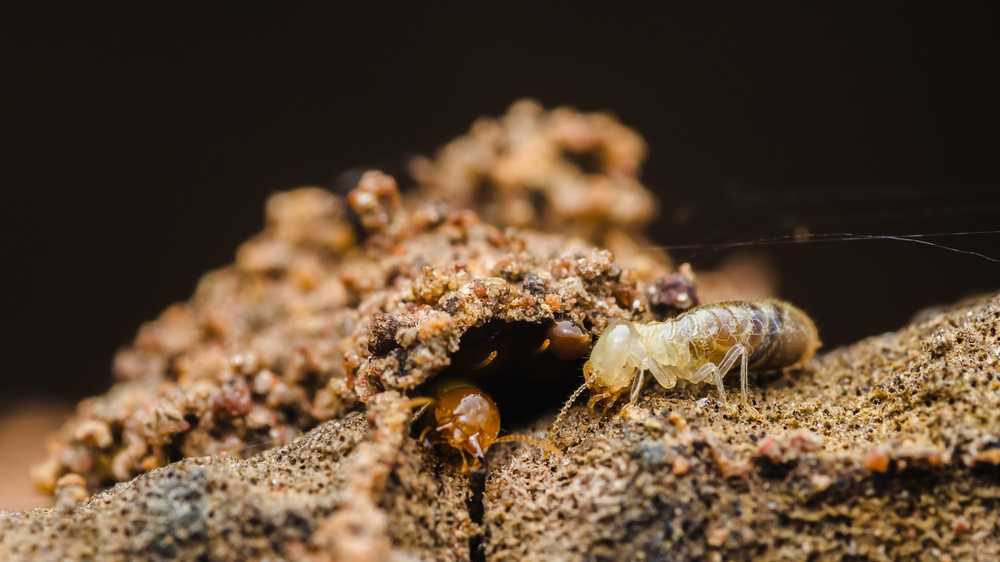
Best Ways to Protect Your Home from Termite Infestation
Termites can seriously damage your home if left untreated. This guide explains how to identify signs of termite activity, understand common termite species, prevent infestations, and choose the right treatment options to protect your home.
- Termites primarily feed on cellulose materials, requiring homeowners to understand their risk and the importance of regular inspections to prevent infestations.
- Identifying signs of subterranean termite activity, such as discarded wings and mud tubes, is essential for early detection and damage prevention.
- Implementing preventative measures like controlling moisture, sealing entry points, and maintaining regular inspections can significantly reduce the risk of termite infestations.
Understanding Termites
Termites are wood-destroying insects that feed on cellulose found in materials such as wood, paper, and cardboard. Because they often stay hidden inside walls, soil, or wooden structures, they can cause serious damage before homeowners realize there is a problem.
Most termites thrive in dark, moist environments and are especially active in areas where wood and moisture come together. Understanding how termites live and what attracts them can help you spot warning signs early and take steps to protect your home.
Identifying Subterranean Termites
Subterranean termites are one of the most common and destructive termite species. They usually live in soil and travel into homes from the ground up, often through cracks in the foundation or gaps near plumbing and other entry points.
These termites are typically light in color, while swarmers are darker and have translucent wings that they shed after finding a new place to nest. One of the clearest signs of subterranean termite activity is the presence of mud tubes, which help protect them as they travel between the colony and a food source.
Signs of Termite Infestation
Detecting termite activity early can help prevent severe damage and costly repairs. One of the most common warning signs is the presence of mud tubes on exterior walls, foundations, or other parts of the structure. These tubes help termites travel between their nest and food source while staying protected from open air.
Other signs of termite activity include wood that sounds hollow when tapped, darkened or blistered wood, discarded wings near windows or doors, termite droppings known as frass, and squeaky floors. It is also important to watch for cracks in the foundation or other hidden gaps that may allow termites to enter the home. Regular inspections can help catch these signs before the infestation becomes more severe.
Types of Termite Species
Drywood termites and subterranean termites are two of the most important species for homeowners to know. Subterranean termites live in soil and usually enter homes from the ground up, while drywood termites live directly inside the wood they infest. Knowing which type is present can help guide prevention and treatment decisions.
Drywood termites are more common in some coastal and warmer regions, while subterranean termites are widely known for the serious structural damage they can cause over time. Because each type behaves differently, identifying the species can help determine the most effective control strategy.
How Termite Damage Occurs
Termite damage often begins out of sight and becomes more noticeable over time. As termites tunnel through wood in search of cellulose, they weaken structural materials from the inside out. Homeowners may first notice signs such as bubbling paint, small holes in drywall, hollow-sounding wood, or areas that feel soft or damaged.
Subterranean termites also build mud tubes to move between the soil and the home, while drywood termites remain inside the wood they infest. Because termite damage can spread quietly for long periods, regular inspections are important for catching problems before they become severe.
Conducting a Termite Inspection
A thorough termite inspection is vital for early detection and preventing extensive damage. Inspectors should start by examining visible signs of termite damage, such as buckling floors and hollow surfaces. Checking wooden structures, including furniture and window frames, for signs of crumbling wood is also important.
A typical termite inspection takes about an hour, depending on the size and complexity of the home. Thorough inspections should cover all areas of the home, including less obvious spots like attics, basements, and crawl spaces. Special attention should be given to areas with high moisture levels, as termites thrive in such environments.
Regular termite inspections, whether conducted by professionals or knowledgeable homeowners, can catch early signs of infestation and prevent severe damage. Understanding what to look for and where to look significantly enhances the effectiveness of these inspections.
Preventative Measures for Termite Control
Preventing termite infestations requires a mix of immediate actions and long-term strategies. Controlling moisture near the foundation is particularly effective, as termites are attracted to wet soil. Proper drainage and fixing leaks can deter termites by reducing their habitat.
Using mulch sparingly near the foundation and keeping the yard clear of dead wood and debris can also help minimize termite attraction. Landscaping strategies, such as avoiding wood mulch near the home, can reduce the risk of termites. Additionally, using termite-resistant materials like concrete or metal can further lower the likelihood of infestations.
Sealing cracks and gaps in the foundation blocks potential entry points for termites. Creating a gap between soil and wooden structures, such as decks, minimizes the risk of termite entry. Regularly trimming back shrubbery and trees close to the home can help limit termite access and protect the structure. These preventative measures can significantly reduce the risk of infestations.
Professional Termite Treatment Options
When an infestation is confirmed, professional treatment is often the most effective solution. A pest control professional can identify the termite species, inspect the extent of the activity, and recommend a treatment plan based on the specific conditions around your home.
Professional treatment may include creating a protective barrier around the home, addressing moisture issues, sealing entry points, and applying targeted products in affected areas. For homeowners dealing with active termites, professional service can help stop further damage and reduce the risk of future infestations.
Protecting Your Home’s Foundation
Protecting your home’s foundation is an important part of termite prevention. Because subterranean termites often enter from the soil, reducing moisture and limiting wood-to-ground contact around the foundation can make it harder for them to reach the structure.
Keep wood components at least 6 inches above ground, avoid storing firewood or lumber against the home, and ensure soil slopes away from the foundation to improve drainage. Regular inspections around the foundation can also help catch mud tubes, cracks, and other early signs of termite activity.
Importance of Regular Maintenance
Regular home maintenance is crucial for preventing termite infestations, which often go unnoticed. Maintaining a clean environment and regularly inspecting for potential threats are key steps for prevention. Routine checks on air conditioning units can prevent moisture buildup, making the environment less conducive to termites.
By staying vigilant and addressing potential issues early, homeowners can avoid extensive damage and high costs associated with termite infestations. Regular maintenance not only protects the home but also ensures a safe and healthy living environment.
Protecting your home from termite infestations starts with early detection, regular inspections, moisture control, and preventative maintenance. By recognizing the warning signs and reducing conditions that attract termites, you can lower the risk of costly damage. If termite activity is suspected or confirmed, professional treatment may be the most effective way to protect your home and prevent further problems.
Frequently Asked Questions
What are the most common signs of a termite infestation?
The most common signs of a termite infestation are mud tubes on building exteriors, soft or hollow-sounding wood, crumbling wood, termite droppings, and discarded wings from swarmers. If you notice these signs, it’s crucial to take action immediately.
How can I prevent termite infestations in my home?
To prevent termite infestations in your home, control moisture around the foundation, use mulch sparingly, seal any cracks or gaps, and keep your yard free of dead wood and debris. Taking these steps can significantly reduce your risk of an infestation.
Why is professional termite treatment important?
Professional termite treatment is important because it offers superior protection with high-quality products and expert application, effectively controlling and preventing future infestations. Reliable treatment ensures your property remains safe from costly termite damage.
How do subterranean termites differ from drywood termites?
Subterranean termites require moisture and nest in soil, whereas drywood termites reside in dry wood and derive moisture from it. This key difference impacts their habitats and the strategies needed for their control.
What should I do if I find signs of termite damage in my home?
If you find signs of termite damage in your home, you should immediately contact a professional pest control company for a comprehensive inspection and treatment. Acting quickly is crucial to prevent further damage.