Ant Extermination: Costs, Process, and Effective Tips
Learn how professional ant extermination works and how to get rid of ants quickly. Discover proven methods to keep your home ant-free.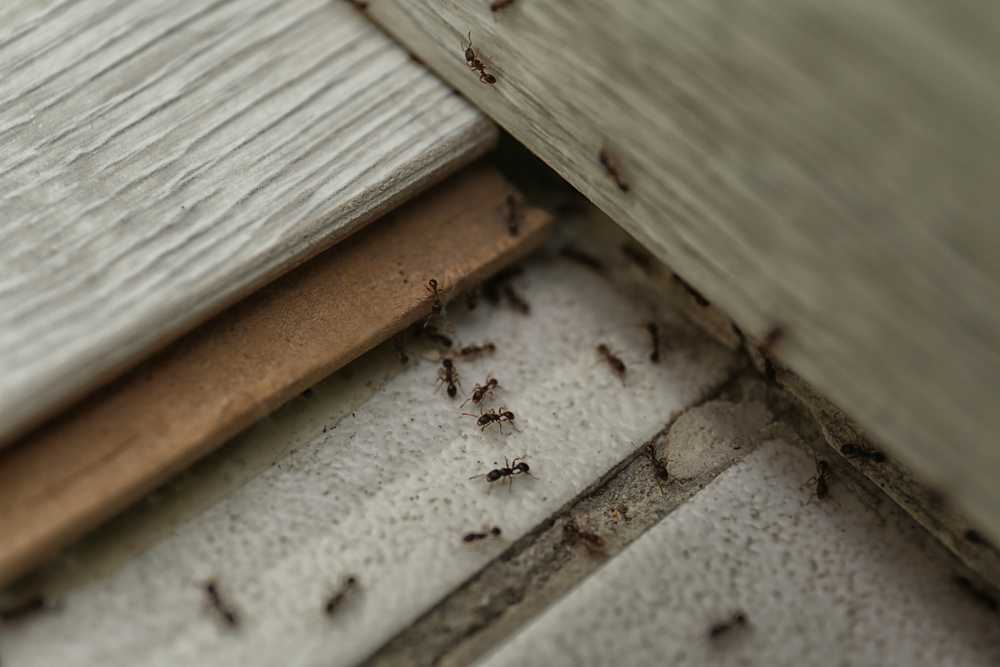
Effective Ant Extermination: Strategies and Costs Explained
Struggling with ants in your home? This guide provides practical ant extermination tips. You’ll learn to identify an infestation, try DIY methods, and know when it’s time to call a professional.
Recognizing an Ant Infestation
Early detection of an ant infestation ensures effective pest control treatment. Look for frequent ant sightings, continuous ant trails, and nests in hidden corners or floors. Large numbers of ants or persistent trails indicate a significant infestation. Pheromone trails guide other colony members to food or nests, so swift action is necessary.
More severe signs involve ants returning quickly after removal, indicating nearby nesting. Early detection can prevent a larger problem. Delays make it harder to rid your home of ants, so addressing these indicators promptly is crucial.
Common Types of Ants and Their Impact
Knowing the types of ants invading your space is crucial for effective ant control. Each species, including argentine ants, pavement ants, carpenter ants, fire ants, odorous house ants, and crazy ants, has unique behaviors and impacts, requiring specific extermination approaches.
Carpenter Ants
Carpenter ants cause significant structural damage by excavating wood to create nests, unlike termites, which eat wood. Noticing sawdust or wood shavings (dirt mounds) around your home indicates their presence.
Hollow sounds in wooden surfaces often indicate carpenter ant activity. Promptly addressing an infestation can prevent extensive damage and costly repairs to your home’s structure.
Fire Ants
Fire ants, recognizable by their reddish-brown color and painful sting, build noticeable mounds outdoors in open spaces like parks and gardens. They are a nuisance and can be dangerous, especially to those allergic to their stings.
Their large, complex nests make professional help necessary for elimination. Quick action is required to prevent a strong presence in your yard or home.
Odorous House Ants
Odorous house ants emit a strong odor when crushed, making them easily identifiable. They form large colonies and enter homes searching for food, particularly sugary substances, quickly becoming an issue in kitchens and dining areas. They can contaminate food and are often found near pet food.
Proper food storage in airtight containers and cleanliness help deter these persistent pests from invading your home and prevent future infestations.
DIY Methods to Control Ants
For small infestations, several effective DIY methods can control ants. Natural remedies repel ants with their strong scent. Diluted essential oils like peppermint and tea tree oil can be sprayed in areas frequented by ants.
Baits made with boric acid, sugar, and water attract and kill ants, offering an effective solution for minor infestations. Diatomaceous earth desiccates ants by absorbing moisture from their exoskeletons. Over-the-counter bait traps are also useful for indoor use in DIY pest control.
Erasing pheromone trails prevents ants from finding their way back. A mixture of glass cleaner and dish soap can effectively erase these trails. Pouring boiling water directly into ant hills can eliminate many ants instantly.
Other methods include using coffee grounds to repel ants around entry points and pouring cornstarch over ants to suffocate them when treated with water. These DIY methods are effective for small infestations, but might not suffice for larger, persistent problems.
When to Call a Professional Exterminator
Regular ant trails or increasing numbers around food sources signal the need for a professional exterminator. Persistent infestations or structural damage indicate that professional help is necessary. Early intervention prevents small issues from becoming larger ant problems, so seek expert advice if DIY methods fail.
Most exterminators have access to stronger pesticides and can seal cracks and reach nests inaccessible to DIY methods. Consulting with a pest control professional can significantly help rid your home of ants.
Costs of Ant Extermination
Understanding anti-extermination costs involves considering various factors. The severity of the infestation, the type of ants, and the size of your home all impact the overall cost.
Average Cost Breakdown
The average cost of hiring an ant exterminator is around $150. Typical charges range between $80 and $500, depending on the infestation’s severity and treatment methods used. Follow-up appointments after the initial treatment typically cost between $40 and $70.
On average, homeowners can expect to pay between $75 and $400 for ant removal services, depending on specific circumstances.
Preventing Future Infestations
Preventing future infestations is key to maintaining a pest-free home. Regularly inspect and seal tiny cracks and gaps around doors, windows, and utility openings. Ensure plumbing fixtures are sealed and dry to avoid attracting ants.
Trim trees and shrubs away from the house to prevent ants from using them as bridges. Proper food storage in airtight containers and cleaning up food debris, especially in kitchens, deters ants.
Regular inspections and preventive pest control treatments are recommended to keep ant infestations at bay. Staying proactive ensures your home remains ant-free, avoiding the hassle of dealing with these persistent pests in the long run.
Recognizing an ant infestation early and understanding the different types of ants are crucial steps in effective ant extermination. DIY methods can be effective for small infestations, but professional help is often necessary for larger problems. Understanding the costs involved and taking preventive measures can help maintain a pest-free home.
Frequently Asked Questions
How can I recognize an ant infestation?
You can recognize an ant infestation by noticing frequent ant sightings, established ant trails, and nests in hidden areas of your home. Taking action promptly can help prevent further issues.
What are the most common types of ants to look out for?
The most common types of ants to look out for include carpenter ants, fire ants, odorous house ants, and crazy ants, each presenting distinct challenges that may require different management strategies. Addressing these ant types promptly can help prevent further issues in your home.
When should I call a professional exterminator?
You should call a professional exterminator if you observe regular ant trails, a rising number around food sources, or if infestations persist despite your DIY attempts. Prompt action can help prevent further issues.
What factors affect the cost of ant extermination?
The cost of ant extermination is primarily influenced by the severity of the infestation, the specific species of ants, the size of your home, and the extermination methods employed. Other factors such as follow-up visits and treatment frequency also impact the total cost. Understanding these factors can help you estimate the potential expense involved in resolving an ant problem.
How can I prevent future ant infestations?
To prevent future ant infestations, regularly inspect and seal any gaps, fix leaky plumbing, trim vegetation away from your home, and ensure that food is properly stored in airtight containers and areas are kept clean. Taking these proactive steps will significantly reduce the risk of ants entering your space.