Giant Desert Hairy Scorpion: Facts & Safety Tips
Learn about the giant desert hairy scorpion, its habitat, size, sting, and safety tips to stay protected from this desert-dwelling predator.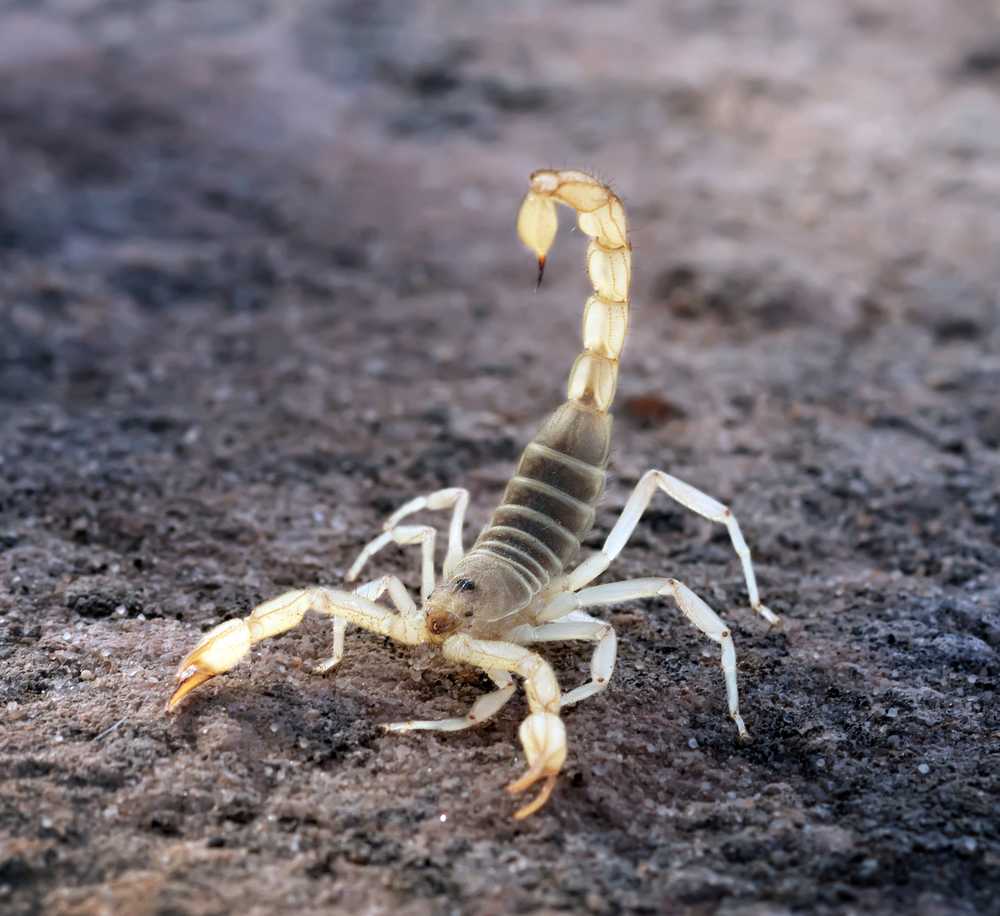
Giant Desert Hairy Scorpion Facts, Habitat, and Care Tips
The giant desert hairy scorpion is one of the most recognizable arachnids in the southwestern United States. Its large size, burrowing behavior, and desert adaptations make it an important part of its ecosystem and draw interest from exotic pet keepers. This guide covers its habitat, physical traits, diet, behavior, and what to know about keeping it in captivity or managing it around the home.
What to Know
- The giant desert hairy scorpion is one of the largest scorpion species in North America and is well adapted to hot, dry environments.
- It is a nocturnal predator that helps control insect and small animal populations in desert ecosystems.
- Although its sting is usually not dangerous to humans, proper handling and habitat care are important in captivity.
The Giant Desert Hairy Scorpion
The giant desert hairy scorpion, Hadrurus arizonensis, is a large desert-dwelling species native to the southwestern United States. It has tan to olive coloration, powerful pincers, and fine body hairs that help detect movement and vibrations in its surroundings. Like many scorpions, it is solitary and primarily active at night, spending much of the day hidden in burrows or beneath shelter.
Habitat and Geographic Range
Where It Lives
Giant desert hairy scorpions are native to the Sonoran and Mojave deserts and are commonly found in Arizona, California, Nevada, and Utah. These warm, arid regions provide the dry conditions they need to survive. They are most often found in low-elevation valleys, washes, and other desert areas with loose or sandy soil.
Burrowing Habits
These scorpions dig and occupy deep burrows, which help protect them from extreme daytime heat and predators. They may also take shelter under rocks or in abandoned rodent burrows. Their burrowing behavior is one of the key adaptations that helps them survive in harsh desert environments.
Physical Characteristics
Giant desert hairy scorpions are among the largest scorpions in North America, typically reaching between 4 and 7 inches in length. Their bodies are usually tan to olive-green with darker backs, while their legs, claws, and tail often appear yellowish.
One of their most recognizable features is the fine brown hairs that cover parts of the body. These hairs help detect vibrations in the ground and air, allowing the scorpion to sense prey and nearby threats. Their large pincers and stockier build also make them easy to distinguish from smaller desert scorpion species.
Diet and Hunting Behavior
What It Eats
Giant desert hairy scorpions feed mainly on insects, other invertebrates, and occasionally small vertebrates. In captivity, they are commonly fed crickets, mealworms, and similar prey items. Their role as predators helps keep populations of smaller desert animals in balance.
How It Hunts
These scorpions are nocturnal hunters and usually emerge at night to search for food. They rely on their pincers, sting, and sensory hairs to detect and subdue prey. Rather than actively chasing prey for long distances, they often use ambush tactics and quick strikes to capture what they need.
Venom and Defense
The venom of the giant desert hairy scorpion is relatively mild compared with that of more medically significant scorpion species. A sting is usually painful, and most people compare it to a bee sting rather than a serious medical emergency.
In addition to venom, these scorpions rely on camouflage, strong pincers, and defensive posture to protect themselves. They generally avoid conflict, but they may sting if they feel cornered or threatened.
Reproduction and Lifespan
Female giant desert hairy scorpions give birth to live young rather than laying eggs. After birth, the young remain on the mother’s back until they molt and become more independent. This early protection helps improve their chances of survival.
In the wild, these scorpions often live between 7 and 10 years. In captivity, especially under stable conditions, they may live significantly longer, with females often outliving males.
Role in the Ecosystem
As a desert predator, the giant desert hairy scorpion helps regulate populations of insects and other small animals. This makes it an important part of the desert food web. At the same time, it also serves as prey for larger animals such as birds, reptiles, and mammals.
Its role in the ecosystem highlights how even intimidating arachnids contribute to ecological balance.
Keeping Giant Desert Hairy Scorpions as Pets
Habitat Setup
A giant desert hairy scorpion needs a secure terrarium with a dry substrate deep enough for burrowing. Sand or a similar desert-style substrate works well, and low humidity is important to avoid health problems. The enclosure should also include hiding spaces and enough room for the scorpion to move naturally.
Feeding and Handling
These scorpions usually eat live insects in captivity and do best with a simple feeding routine. Because they can be defensive and may sting if stressed, keep handling to a minimum. They are generally better suited to keepers who are comfortable maintaining a specialized enclosure rather than those looking for a hands-on pet.
Managing Scorpions Around the Home
Homeowners in areas where giant desert hairy scorpions are common can reduce encounters by sealing entry points, removing yard debris, and limiting hiding places near the home. If scorpion activity becomes frequent indoors, professional pest control may be the most effective option.
Professional treatment can help identify likely entry areas, reduce scorpion pressure around the home, and provide longer-term prevention strategies.
Why This Species Stands Out
The giant desert hairy scorpion stands out because of its size, desert adaptations, and important role as a predator. Its burrowing habits, sensory abilities, and resilience make it one of the most distinctive arachnids in the American Southwest.
Whether viewed as a species worth studying, an unusual captive animal, or a pest that sometimes wanders too close to home, it remains a fascinating part of desert life.
Frequently Asked Questions
Are giant desert hairy scorpions dangerous to humans?
Giant desert hairy scorpions are not considered dangerous to humans, as their venom is similar in potency to that of a bee sting, making them generally harmless.
What do giant desert hairy scorpions eat?
Giant desert hairy scorpions primarily eat insects, invertebrates, lizards, and small mammals. Their diverse diet supports their survival in harsh desert environments.
How long do giant desert hairy scorpions live?
Giant desert hairy scorpions typically live up to 10 years in the wild, but can reach up to 20 years in captivity.
Where are giant desert hairy scorpions found?
Giant desert hairy scorpions are primarily found in the Sonoran and Mojave deserts, along with regions in the southwestern United States.
What services does Responsible Pest & Scorpion Control offer?
Responsible Pest & Scorpion Control offers effective pest and scorpion control services in the Greater Phoenix, Mesa, and Tucson areas. Their expertise ensures a comprehensive solution to your pest problems.