Bed Bug Extermination: Safe, Effective Solutions for Homes
Discover simple and effective bed bug extermination methods. Protect your home, sleep peacefully, and get rid of bed bugs for good today.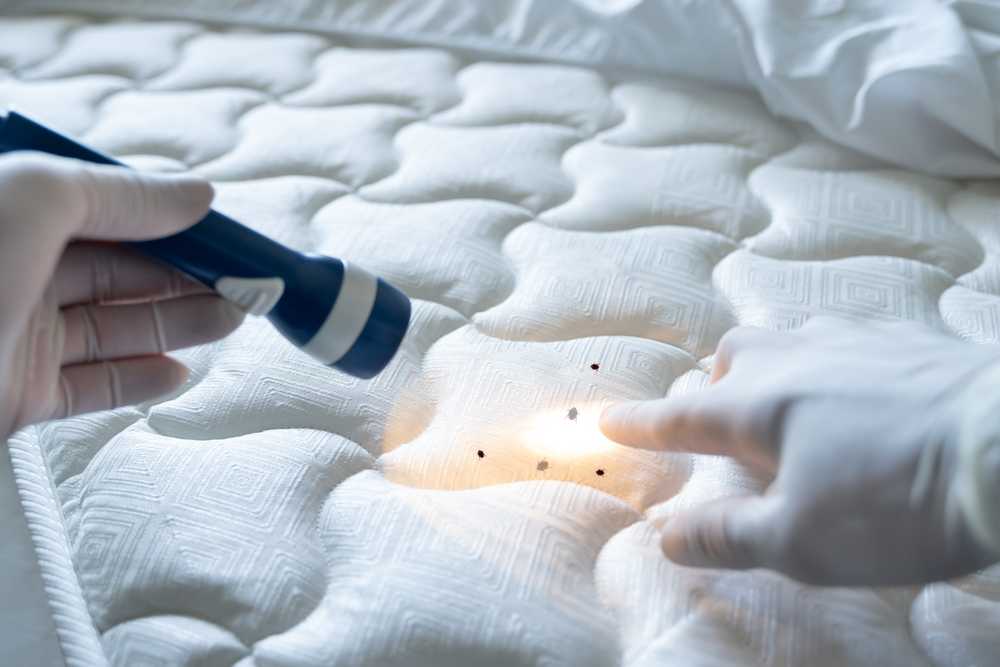
Effective Bed Bug Extermination Methods for Your Home
A bed bug infestation can quickly disrupt sleep, cause repeated bites, and spread through bedding and furniture if left untreated. This guide explains how to recognize early signs of bed bugs, prepare for treatment, use effective extermination methods, and reduce the risk of future infestations.
What to Know
- Early detection is important because bed bugs can spread quickly and hide in small, hard-to-see spaces.
- The most effective treatment plans usually combine non-chemical and chemical methods.
- Preventing future infestations depends on ongoing inspection, sanitation, and reducing common hiding places.
Understanding Bed Bugs
Bed bugs are small, brownish-red insects about the size of an apple seed. They usually emerge at night to feed and tend to hide during the day in mattress seams, box springs, bed frames, furniture joints, baseboards, loose wallpaper, and other tight spaces near sleeping areas.
Their life cycle includes eggs, nymphs, and adults. Female bed bugs can lay several eggs per day, which allows a small infestation to grow quickly if it is not addressed early. Because bed bugs can survive for extended periods without feeding, they may remain hidden long enough for the problem to worsen before homeowners realize what is happening.
Common signs of bed bugs include:
- itchy bites or welts on the skin
- dark stains or spots on bedding
- shed skins
- eggs or eggshells
- live bugs in mattress seams or nearby furniture
Preparing for Bed Bug Treatment
Preparation is one of the most important steps in bed bug control. Before treatment begins, infested items should be isolated and sealed in plastic bags when possible. This helps reduce the chance of spreading bed bugs to other rooms.
Vacuuming is also an important part of preparation. Focus on mattresses, bed frames, baseboards, furniture seams, and cracks or crevices where bed bugs may hide. After vacuuming, dispose of the vacuum contents in a sealed bag right away.
Mattress and box spring encasements can also help by trapping bed bugs inside and reducing the number of places they can hide. Sealing small cracks and crevices around sleeping areas may further limit hiding places and improve treatment results.
Non-Chemical Methods to Eliminate Bed Bugs
Non-chemical methods can be very effective, especially when combined with other treatment strategies.
Heat Treatment
High heat can kill bed bugs and their eggs at all life stages. Washing and drying clothing and bedding on high heat is one of the most reliable home treatment methods for infested fabrics. Professional heat treatments may also be used to raise room temperatures enough to eliminate bed bugs hiding in furniture, mattresses, and cracks.
Steam Treatment
Steam can help kill bed bugs in seams, folds, upholstered furniture, and other hard-to-reach areas. It is especially useful in places where chemical treatments may not be ideal.
Freezing
Some infested items may be treated with freezing temperatures if the temperature stays low enough for long enough. This method is less practical for whole-room treatment but can help with certain objects.
Desiccants
Products such as diatomaceous earth may be used to damage the outer layer of bed bugs and cause them to dry out. These products often work best as part of a broader treatment plan rather than as a stand-alone solution.
Chemical Treatments for Bed Bugs
Chemical treatment can play an important role in bed bug extermination, especially in moderate or severe infestations. Insecticides are often applied to cracks, crevices, furniture joints, baseboards, bed frames, and other hiding places where bed bugs are active.
Because bed bugs can develop resistance to certain pesticides, treatment may require more than one product or a rotation of products over time. Careful application is important, and treatment should always follow label directions.
Chemical methods usually work best when paired with non-chemical methods such as vacuuming, laundering, steaming, and encasements. This combined approach helps improve control across all life stages of bed bugs.
Integrated Pest Management for Bed Bugs
Integrated Pest Management, or IPM, is one of the most effective ways to manage bed bugs. Rather than relying on a single product or method, IPM uses a combination of:
- inspection and monitoring
- sanitation and clutter reduction
- physical removal through vacuuming and laundering
- non-chemical treatment methods
- targeted chemical applications when needed
This approach helps reduce bed bug populations more thoroughly and lowers the chance that some bugs or eggs will survive treatment. IPM is especially useful because bed bug infestations often require repeated attention rather than a one-time fix.
Post-Treatment Monitoring
Even after treatment, continued monitoring is important. Bed bugs may remain hidden in small spaces, and missed eggs can lead to renewed activity if they hatch later.
Homeowners should continue inspecting sleeping areas, furniture, and nearby cracks or crevices on a regular basis. Bed bug interceptors under bed legs and other monitoring tools can help reveal whether activity is continuing.
Post-treatment checks are one of the best ways to confirm that the infestation has been fully addressed.
Preventing Future Infestations
Preventing bed bugs from returning often requires a combination of caution and routine maintenance. Helpful prevention steps include:
- inspecting luggage and clothing after travel
- washing and drying travel clothing on high heat
- checking secondhand furniture carefully before bringing it indoors
- using mattress and box spring encasements
- reducing clutter around sleeping areas
- sealing cracks and crevices that can serve as hiding spots
Regular inspection is important, especially after travel or after bringing used furniture into the home. Catching bed bugs early can prevent a much larger infestation later.
Hiring Professional Bed Bug Exterminators
Professional bed bug exterminators may be the best option when infestations are widespread, when treatment has failed, or when bed bugs have spread into multiple rooms or difficult-to-treat areas. Professionals can perform detailed inspections, identify hidden infestation sites, and recommend a treatment plan based on the severity of the problem.
When choosing a pest control company, it helps to look for:
- experience with bed bug infestations
- clear treatment plans
- good customer reviews
- realistic expectations about follow-up care
- a willingness to explain preparation and monitoring steps
Professional help can be especially valuable because bed bug infestations are often difficult to eliminate completely without a thorough and coordinated treatment process.
Keeping Bed Bugs Out of Your Home
Bed bug infestations can spread quickly if they are not caught early. Understanding how bed bugs hide, recognizing the warning signs, and using a combination of treatment methods can make control much more effective.
With careful preparation, thorough treatment, and continued monitoring, homeowners can reduce the chance of a recurring infestation and protect their homes from future bed bug problems.
Frequently Asked Questions
How to get rid of bed bugs?
To effectively eliminate bed bugs, wash all linens in hot water and dry them at the highest heat setting for at least 20 minutes, then encase your mattress and pillows with certified bed bug covers. Additionally, declutter your space, seal any cracks or crevices to minimize their hiding spots, and isolate infested items.
How does an exterminator get rid of bed bugs?
Exterminators typically eliminate bed bugs through heat treatments, chemical applications, and targeted spot treatments. These methods effectively address infestations and ensure thorough inspection for hidden areas, including electrical outlets and adjacent units.
What are the signs of a bed bug infestation?
Signs of a bed bug infestation include dark spots on bedding, shed skins, crushed bugs, and the presence of eggs. Additionally, you may notice bite marks on your skin after sleeping.
How can I prepare my home for bed bug treatment?
To effectively prepare your home and infested room for bed bug treatment, remove infested items, vacuum regularly, seal any crevices, and use protective covers for mattresses, box springs, and bed frames. These proactive steps will enhance the treatment’s success.
What should I look for in a professional bed bug exterminator?
When selecting a professional bed bug exterminator, focus on companies with positive reviews, a solid track record, and specialized equipment for effective treatment. This will ensure you receive quality service.