Cockroach Nest Signs: Where Roaches Hide and What to Do
Found a roach nest? Learn how to spot the signs, where roaches hide, and the best ways to remove nests and prevent infestations at home.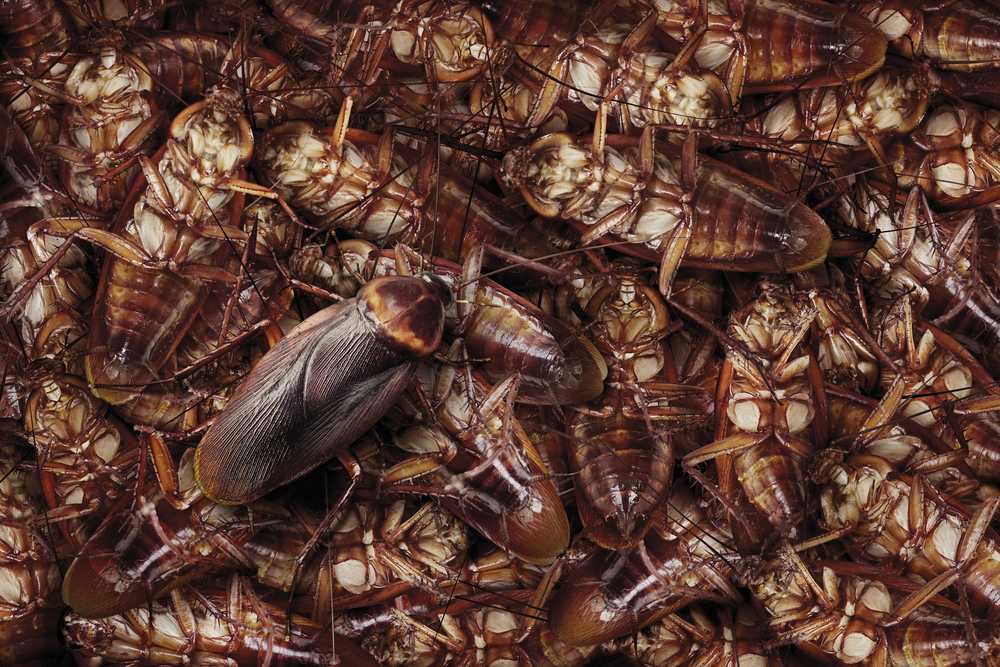
How to Identify and Get Rid of a Roach Nest
Worried you have a roach nest in your home? Finding and eliminating a roach nesting area is one of the most important steps in stopping an infestation. This guide explains how to recognize the signs of a roach nest, where roaches usually hide, how to locate nesting areas, and what steps can help get rid of them and keep them from coming back.
What to Know
- Roach nests are often discovered through droppings, egg cases, musty odors, and repeated sightings in the same area.
- Kitchens, bathrooms, basements, crawl spaces, and outdoor debris are some of the most common places for roaches to gather.
- Long-term roach control usually requires cleaning, sealing entry points, targeted treatment, and ongoing prevention.
Recognizing a Roach Nest
Roach nests do not look like traditional nests. Instead, they are gathering areas where cockroaches hide, breed, and stay close to food, water, and shelter. One of the clearest signs is the presence of cockroach droppings, which often look like black pepper, coffee grounds, or small dark specks depending on the species.
Other warning signs include discarded egg cases, shed skins, dead roaches, and a musty odor that seems stronger in hidden areas. If you keep seeing roaches in the same part of the home, especially at night, there is a good chance that a nesting area is nearby.
Because roaches reproduce quickly, even a small nesting area can lead to a much larger infestation if it is not addressed early.
Common Locations for Roach Nests
Roaches prefer dark, warm, and sheltered places with access to food and moisture. Some of the most common nesting locations include:
- kitchen cabinets and pantry areas
- behind and beneath appliances
- bathrooms and laundry rooms
- basements and crawl spaces
- garages, sheds, and outdoor debris piles
Finding where roaches like to gather is one of the most important parts of effective treatment.
Kitchen Cabinets and Appliances
Kitchens are one of the most common places for roach activity because they offer easy access to crumbs, grease, food residue, and water. Roaches often hide behind refrigerators, under stoves, inside cabinets, and around dishwashers and sinks.
These tight spaces stay dark and are often disturbed less frequently than open surfaces, which makes them ideal hiding places. If droppings, egg cases, or live roaches appear in these areas, a nest may be nearby.
Bathrooms and Basements
Bathrooms and basements attract roaches because of moisture. Leaky pipes, damp corners, drains, and humid air all make these spaces more appealing. Roaches often gather behind toilets, under sinks, around plumbing access points, and in cluttered basement storage.
Because these spaces are often darker and less frequently cleaned, nests can go unnoticed for longer.
Outdoor Areas
Roaches can also nest outdoors in mulch, wood piles, leaf litter, outdoor storage, garbage areas, and around foundations. These outdoor nesting spots can lead to indoor problems when roaches move inside in search of food, water, or shelter.
Keeping these areas clean and dry can help reduce the chances of roaches spreading indoors.
How to Locate Hidden Roach Nests
Locating a hidden roach nest usually takes a combination of inspection and monitoring. Start by checking areas where you have seen live roaches, droppings, egg cases, or strong odors. Focus on cracks, corners, cabinet interiors, behind appliances, and dark storage spaces.
Glue traps can help confirm where activity is concentrated. Place them near suspected nesting sites, along walls, and behind furniture or appliances. The areas with the most trap activity are often the best clues to where roaches are hiding and breeding.
Roaches also tend to travel along edges rather than open spaces, so checking along walls, baseboards, and narrow gaps can improve your chances of finding the source.
Steps to Eliminate a Roach Infestation
Once you have identified likely nesting areas, the next step is to remove the conditions that support roaches and apply targeted treatment. The most effective approach usually includes:
- deep cleaning and sanitation
- reducing clutter
- sealing cracks and crevices
- using baits or dusts in active areas
- monitoring for continued activity
Successful treatment usually depends on consistency rather than a single application.
DIY Methods
Homeowners can often reduce smaller infestations with careful cleaning and targeted treatment. Boric acid is one of the most common DIY methods and can be effective when applied in dry, hidden areas where roaches travel. Bait stations are another useful option because roaches carry the poison back to the nesting area, helping reduce the population over time.
Gel baits and glue traps may also help in kitchens, bathrooms, and behind appliances. However, DIY methods usually work best when they are combined with sanitation and exclusion. Simply spraying visible roaches rarely solves the full problem.
Professional Pest Control Services
If the infestation is severe, keeps returning, or has spread into multiple rooms, professional pest control may be the best option. A professional can identify the roach species, locate hidden nesting sites, and apply treatment more thoroughly in areas that are difficult to reach.
Professional service can be especially useful when roaches are nesting behind walls, inside large appliances, or in connected areas such as crawl spaces and attics. For larger infestations, expert treatment is often the most reliable way to gain control.
Preventing Future Roach Infestations
Preventing roaches from returning depends on reducing the food, water, and shelter they need to survive. Helpful prevention steps include:
- storing food in sealed containers
- cleaning up crumbs and spills quickly
- taking out trash regularly
- keeping garbage lids closed
- fixing leaks and reducing indoor moisture
- sealing cracks, gaps, and entry points
- decluttering storage spaces
- keeping outdoor debris away from the house
Regular cleaning and inspection can help catch small problems before they become larger infestations.
Keeping Roaches Out for Good
Getting rid of a roach nest takes more than killing the roaches you see. It requires finding where they hide, removing the conditions that attract them, and using treatment methods that target the infestation at its source.
By combining early detection, careful sanitation, targeted treatment, and prevention, homeowners can reduce roach activity and lower the risk of future infestations. When the problem becomes widespread or difficult to control, professional pest control may be the most effective next step.
Frequently Asked Questions
What are the most obvious signs of a cockroach nest?
The most obvious signs of a cockroach nest include dead roaches, cockroach droppings that look like coffee grounds, discarded egg casings, and a musty smell. If you notice these signs, it’s crucial to take immediate action to address the infestation.
Where are common locations for roach nests indoors?
Roach nests are commonly found in kitchen cabinets, around kitchen appliances, bathrooms, basements, and crawl spaces. It’s crucial to regularly inspect these areas to prevent infestations.
How can I locate hidden roach nests in my home?
To locate hidden roach nests in your home, check for signs such as discarded skins, droppings, and dead roaches. Use traps in suspected areas to pinpoint the most active spots. This targeted approach will help you effectively identify their nesting locations.
What DIY methods are effective for eliminating roaches?
Using a mixture of boric acid and sugar is an effective DIY method for eliminating roaches, as it attracts them while also being lethal. Consistent monitoring and reapplication are essential for achieving lasting results.
When should I call a professional pest control service?
You should call a professional pest control service if home remedies fail or if you observe a significant infestation, such as more than a couple of roaches. Taking prompt action can help prevent further issues.