Brown Crickets: Identification, Habitat, and Control Tips
Learn how to identify a brown cricket, what attracts them, and simple ways to remove them from your home and prevent noisy infestations.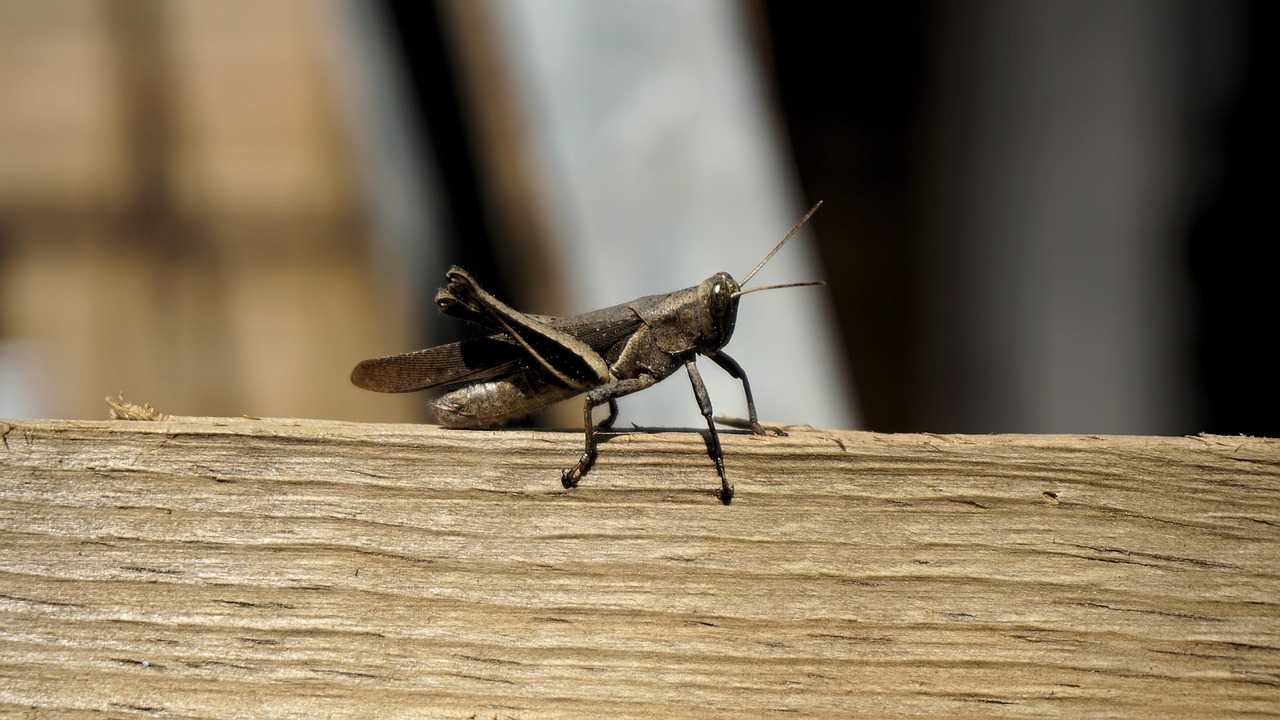
Brown Crickets and Similar Species: What to Know
Brown crickets are nocturnal insects that often go unnoticed until they begin showing up in basements, garages, crawl spaces, or other damp areas. Their dark color and quiet behavior can make them harder to identify than other cricket species. This guide explains how to recognize brown crickets, how they compare to similar crickets, where they live, and what steps can help prevent or control them.
What to Know
- Brown crickets are nocturnal insects that rely on camouflage and are often found in dark, sheltered environments.
- Several cricket species, including house, field, camel, greenhouse camel, and Jerusalem crickets, may be confused with one another.
- Prevention and control usually depend on reducing moisture, limiting hiding places, and sealing entry points around the home.
Brown Crickets Overview
Brown crickets are nocturnal insects that often stay hidden until they begin appearing in basements, garages, crawl spaces, or other damp, sheltered areas. Their dark brown to reddish-brown coloring helps them blend into soil, mulch, wood, and other natural surfaces, which makes them harder to notice than lighter-colored cricket species. They usually have a cylindrical, somewhat flattened body, long antennae, and strong back legs built for jumping.
Unlike some other crickets, brown crickets are often less noticeable by sound and depend more on camouflage and hiding behavior for protection. During the day, they stay tucked away in dark areas where moisture and shelter are easy to find. At night, they emerge to feed and move around more actively. Their quiet, hidden habits are one reason homeowners may not realize they have a cricket problem until numbers begin to increase.
Brown crickets are also opportunistic feeders. They eat a mix of organic material, plant matter, fungi, decaying debris, and occasionally other small insects. This flexible diet helps them survive in a wide range of indoor and outdoor environments. Because they can adapt to different food sources and hiding spots, they often remain active around homes where moisture, clutter, and organic debris are present.
Common Cricket Types That Look Similar
Several cricket species may be mistaken for brown crickets because they share similar body shapes, colors, or hiding habits. Looking at where they live, how they move, and how they behave can make identification easier.
House Crickets
House crickets are usually light brown with darker stripes along the head and body. They are one of the most common crickets found indoors and tend to gather in warm, humid spaces such as kitchens, laundry rooms, basements, and utility areas. Because they are drawn to warmth and moisture, they often show up in homes during periods when outdoor conditions become less favorable.
Although house crickets do not usually cause serious damage, they can become a nuisance when large numbers gather indoors. Their presence is often most noticeable at night, especially in quiet areas of the home where they remain hidden during the day.
Field Crickets
Field crickets are often darker than house crickets and may appear black, reddish-brown, or deep brown. They are commonly found outdoors in fields, grasslands, and wooded areas, but they may move closer to homes when temperatures drop or when they are searching for shelter.
These crickets are usually larger and heavier-bodied than house crickets, which can make them easier to notice. While they are mainly outdoor insects, they can become a seasonal nuisance when they enter garages, basements, or other sheltered spaces around the home.
Camel Crickets (Cave Crickets)
Camel crickets, also called cave crickets, have a hump-backed appearance and very long legs that allow them to jump quickly. They do not chirp and are most often found in dark, damp places such as basements, crawl spaces, garages, and bathrooms. Their spider-like appearance often makes them especially unsettling to homeowners, even though they are not dangerous to humans.
Because camel crickets thrive in moist, low-light environments, they are often a sign of excess humidity or hidden moisture issues. Their presence indoors can become more noticeable during hot, dry weather, when they move inside in search of cooler, more humid shelter.
Greenhouse Camel Crickets
Greenhouse camel crickets are closely related to cave crickets and prefer many of the same dark, humid conditions. They are often found in basements, wall voids, greenhouses, and other damp indoor areas where moisture stays high and disturbance is limited.
These crickets can gather in larger numbers than some other species, which makes them more noticeable when conditions are favorable. Although they are not harmful, they can become an ongoing nuisance if the environment continues to provide the moisture and shelter they need.
Jerusalem Crickets
Jerusalem crickets are much larger and more unusual in appearance than most brown crickets. They have a thick body, a large rounded head, and banded coloring across the abdomen, which makes them stand out immediately from more typical cricket species.
Unlike house or camel crickets, Jerusalem crickets are more often found in gardens, soil-rich outdoor areas, and places where they can burrow or hide in loose ground. They may look intimidating because of their size and strong jaws, but they are not considered dangerous. Their unusual appearance often causes concern, even though they are generally more startling than harmful.
Life Cycle of Brown Crickets
Brown crickets go through three main life stages, and the full cycle usually takes around two to three months under favorable conditions. Like other crickets, they develop through incomplete metamorphosis, which means young crickets gradually grow into adults rather than changing through a pupal stage.
The three main stages are:
- Eggs: Females lay eggs in sheltered areas with enough moisture to support development.
- Nymphs: After hatching, nymphs look like smaller versions of adult crickets. They molt several times as they grow.
- Adults: Once fully developed, adult crickets begin reproducing and continue the cycle.
Because nymphs and eggs often remain hidden in damp, protected areas, cricket activity can seem to increase suddenly once adults become more noticeable. This is why control efforts work best when they target both visible crickets and the areas where younger stages may be developing.
How to Prevent & Get Rid of Brown Crickets
Managing brown crickets starts with reducing the conditions that attract them. Helpful steps include:
- lowering excess moisture around the home
- sealing gaps around doors, windows, and foundations
- removing clutter and organic debris
- reducing mulch and thick ground cover near structures
- using traps or targeted treatment when activity appears indoors
These steps can help reduce both indoor hiding places and outdoor habitat that supports cricket activity.
Keeping Crickets Out of Your Home
Brown crickets and similar species are usually more of a nuisance than a danger, but they can become frustrating when they move indoors in large numbers. Knowing how to identify them, understanding where they hide, and taking steps to reduce moisture and shelter can make control much easier.
When cricket activity becomes persistent, targeted treatment and prevention can help keep your home more comfortable and reduce the chance of recurring infestations.
Frequently Asked Questions
What environments do camel crickets prefer?
Camel crickets prefer dark, damp environments both outdoors and indoors, such as caves, crawlspaces, and basements. Seeking these areas helps them remain concealed and maintain the moisture levels they require.
How can I prevent crickets from entering my home?
To prevent crickets from entering your home, seal any gaps around windows and doors and reduce moisture levels indoors. Using a dehumidifier lowers indoor humidity, making your home less attractive to brown crickets and other pests. These measures significantly decrease the likelihood of an infestation.
Do Jerusalem crickets pose any threat to humans?
Jerusalem crickets do not pose any threat to humans since they do not bite, are not venomous, and do not carry diseases. You can safely observe them without concern for harm.
What is the life cycle of a brown cricket?
The life cycle of a brown cricket includes three stages: eggs, nymphs, and adults, completing in approximately 2 to 3 months. This efficient progression allows brown crickets to reproduce rapidly.
What are some non-chemical methods to get rid of crickets?
You can effectively eliminate crickets without chemicals by using diatomaceous earth, setting molasses traps, and maintaining a tidy yard. These approaches address the issue while contributing to a healthier environment.