Black Widow Spider Size: Facts You Should Know
Curious about black widow spider size? Learn how big they get, what makes them stand out, and why their small size hides a big threat.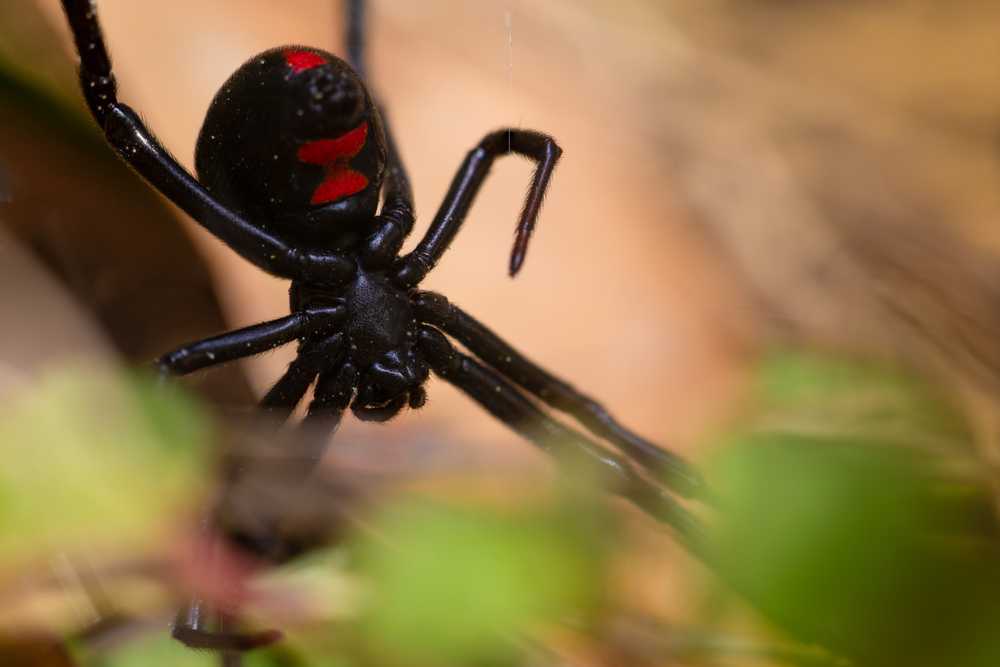
Understanding Black Widow Spider Size: A Quick Guide
Black widow spider size varies widely. Female black widows can grow up to 1.5 inches, while males are much smaller, up to 0.25 inches. Knowing these sizes helps in identifying these spiders and ensuring safety.
- Female black widow spiders are significantly larger than males, with sizes ranging from 13 mm to 1.97 inches, while males typically measure between 0.09 to 0.25 inches.
- Black widow spiders are easily identifiable by their distinctive physical characteristics, including glossy black bodies and a red hourglass marking on the abdomen.
- Understanding the lifecycle and habitat preferences of black widow spiders is essential for effective management and prevention of bites, emphasizing the importance of maintaining clean and clutter-free environments.
Physical Characteristics
Black widow spiders are known for their glossy black exteriors and distinctive red hourglass markings on the abdomen. These widow spiders exhibit notable size variations, with females generally being larger than males across all species.
Recognizing these physical characteristics helps in identifying and distinguishing between different species of black widows.
Female Black Widow Spider Size
Female black widow spiders are the largest among the widow spiders, typically reaching a body length of about 13 mm to 1.97 inches, with their leg span varying within the same range. The southern black widow females are often larger than their northern counterparts, growing up to 1.5 inches.
In contrast, western black widow females can grow up to 15 mm in length. These size variations help in identifying specific black widow species.
Male Black Widow Spider Size
Male black widow spiders are significantly smaller than females, typically ranging from 0.09 to 0.25 inches in length. They are about half the size of females on average, with longer legs relative to their body size.
Such size differences between males and females are common across all black widow species.
Juvenile Black Widow Spider Size
Juvenile black widow spiders start very small, around 1/8 inch in size, and gradually grow larger as they mature. After emerging from the egg sac, spiderlings exhibit a gradual increase in size and develop their distinctive features through several molts.
This growth stage is vital for their transition into adult black widows.
Comparing Species
Black widow spiders can be identified by their glossy black appearance and distinctive red or orange hourglass marking on the female black widow’s abdomen.
Accurate identification and understanding of these spiders can be benefited from comparing the sizes and physical traits of northern, southern, and western black widows.
Northern Black Widow Size
The northern black widow spider typically measures between 1.5 to 2 inches in body length, including the legs. These spiders exhibit a glossy black appearance with distinctive red hourglass markings, making them easily recognizable.
Southern Black Widow Size
The southern black widow female’s body can reach lengths of approximately 10 to 20 mm. Similar to their northern counterparts, southern black widows also exhibit the characteristic glossy black appearance and red hourglass markings.
Western Black Widow Size
Female western black widow spiders generally have a body length ranging from 1.5 to 5 cm and can weigh between 1.5 to 4.5 grams. Male western black widow spiders are smaller, typically measuring about 3 to 4 cm in body length.
The distinctive red hourglass shaped mark on the abdomen can also help in identifying the size and gender of black widow spiders.
Distinguishing Features
Black widow spiders exhibit shiny black exteriors and are easily identifiable by their red hourglass markings on the abdomen. These spiders are characterized by their glossy black bodies and distinctive hourglass markings, which are typically red or orange on the underside of their abdomens.
Recognizing these key features aids in accurately identifying black widow spiders.
Red Hourglass Marking
The red hourglass marking is typically located on the underside of the female black widow’s abdomen. This distinctive marking serves as a warning to potential predators, indicating the spider’s venomous nature.
Shiny Black Abdomen
Female black widow spiders have a glossy black abdomen that is a key identifying characteristic of the species. The abdomens of female black widow spiders have a shiny, smooth surface that enhances their distinctive appearance.
Body Length and Leg Span
The northern black widow spider typically measures between 1.5 to 2 inches in body length, including its legs. This relationship between body size and leg span is notable across different species of black widow spiders.
Habitat and Webs
Black widow spiders prefer habitats that provide shelter and abundant prey, often found in cluttered areas around human structures. These spiders typically inhabit areas under rocks, ledges, and in debris, favoring environments that offer concealment.
Black widow spiders are commonly found in cluttered areas and dark corners, such as wood piles, basements, and garages. They thrive in environments with holes, crevices, and clutter, commonly found near homes, barns, and rock walls.
Maintaining clean and clutter-free outdoor areas helps prevent black widow spiders from settling in.
Web Structure
The webs created by black widow spiders are typically irregular and tangled, designed to trap unsuspecting prey. The webs of black widow spiders are characterized by irregular patterns, with strong silk that can produce audible sounds when disturbed.
The Lifecycle of Black Widow Spiders
Black widow spiders undergo a life cycle that includes stages from eggs to adulthood, with females potentially producing multiple egg sacs each summer. Knowledge of their lifecycle is key to managing and controlling black widow populations.
Egg Sacs and Incubation
Egg sacs of black widow spiders measure approximately 9.5 mm in diameter. The incubation period for black widow eggs lasts between one to four weeks before spiderlings emerge, typically around two weeks, influenced by environmental factors like temperature and humidity.
Growth Stages
Juvenile black widow spiders are initially orange, brown, or white and grow larger and darker with each molt. Male black widow spiders typically molt three to six times, whereas females molt six to eight times before reaching adulthood.
Adult Black Widow Maturation
Adult female black widow spiders can reach a body length of about 1.5 inches, not including their legs, and can weigh up to 0.5 grams. They typically live for about one year after maturation, while males usually survive for only two months.
Bites from female black widow spiders can be dangerous due to their toxic venom, which can affect nerve endings and lead to severe pain. Awareness of the dangers of black widow bites ensures prompt and effective treatment.
Symptoms of a Black Widow Bite
Common indicators of a black widow bite include severe pain at the bite site, abdominal cramps, and systemic symptoms like sweating. Victims may experience symptoms like severe muscle spasms, abdominal pain, and numbness at the bite site.
Preventing Black Widow Bites
Preventing black widow bites is vital for safety, especially in areas where these spiders are prevalent. Regularly cleaning and decluttering areas like garages, sheds, and basements reduces the likelihood of black widow spiders setting up nests.
Frequently Asked Questions
What is the typical size of a female black widow spider?
Female black widow spiders typically measure between 13 mm and 50 mm in body length.
How can you identify a black widow spider?
You can identify a black widow spider by its shiny black body and the characteristic red hourglass marking on its abdomen. These features are key indicators of this venomous species.
What are the symptoms of a black widow bite?
The symptoms of a black widow bite are severe pain at the bite site, abdominal cramps, muscle spasms, and systemic issues such as sweating. Immediate medical attention is advisable due to the potential severity of these symptoms.
What should you do if bitten by a black widow spider?
If bitten by a black widow spider, seek medical attention immediately, as treatment may include muscle relaxants and analgesics to alleviate pain and muscle cramps.
How can you prevent black widow spider bites?
To prevent black widow spider bites, maintain a clean and clutter-free environment in areas such as garages, sheds, and basements, which helps deter these spiders from nesting. Regularly inspecting and cleaning these spaces can significantly reduce your risk of encounter.