Dampwood Termites in Your Home? How to Spot and Stop Them
Learn how to identify dampwood termites, spot early damage, and protect your home with simple, effective prevention tips that work.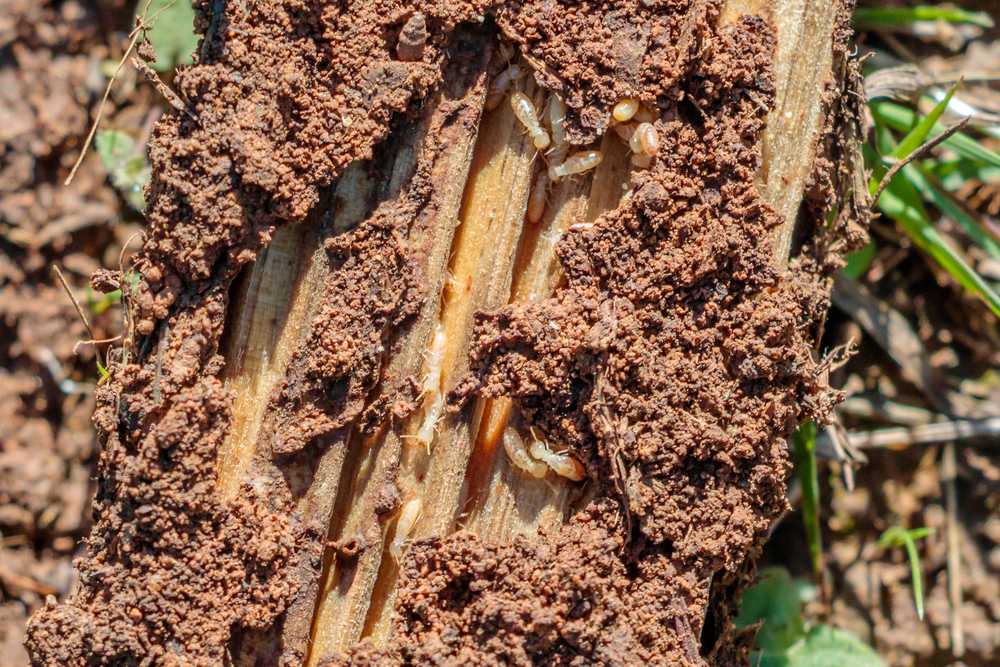
Effective Dampwood Termites Control and Treatment Strategies
Dampwood termites are pests that thrive in moist wood, causing significant damage if not controlled. This article explains how to identify them, spot infestations, and implement effective treatments.
- Dampwood termites thrive in moist environments and can cause significant structural damage by infesting decaying wood, making early identification and moisture control essential.
- Symptoms of a dampwood termite infestation include visible holes in wood, hollow sounds when tapping on wooden structures, and the presence of moist fecal pellets.
- Regular inspections and prompt treatment methods, including moisture management and professional pest control services, are critical for effectively managing and preventing dampwood termite infestations.
Identifying Dampwood Termites
Dampwood termites, true to their name, thrive in moist environments. They have the following characteristics:
- Size ranges from 1/2 inch to 5/8 inch long
- Color varies from creamy white to brownish, making them relatively easy to identify compared to other termite species
- Large wings that are longer than their bodies, aiding in their mating flight.
Unlike subterranean termites, dampwood colonies do not construct mud tubes. Instead, they establish their drywood termite colonies in damp, decaying wood, often found on the ground or in areas with chronic moisture issues. This preference for wet wood makes them particularly problematic in regions with high humidity or frequent rainfall, as they can also contribute to the formation of termite colonies.
Another telltale sign of dampwood termites is their own fecal pellets, which:
- Are moist
- Are forming clumps
- Have a paste-like appearance
- Are often found near infested wood, including zootermopsis spp.
Recognizing these characteristics can help you identify a dampwood termite infestation early and take appropriate action.
Signs of an Infestation
Detecting a dampwood termite infestation early can save you from significant damage and costly repairs. One of the most common signs is the presence of visible open holes and tunnels in wood, which create visible open holes and entry holes. These smooth tunnels are created by the termites as they burrow through decaying wood and wood decay. Additionally, the presence of winged termites, or swarmers, can indicate an active infestation.
Another method to check for termite activity is to tap on wooden structures. If you hear hollow sounds, it could suggest that termites have hollowed out the wood from the inside. Infested wood often contains fecal pellets, which are left behind by the termites and can be a clear sign of their presence.
Recognizing these signs quickly can help you mitigate potential damage. Regular inspections and being vigilant about changes in your home’s wooden structures, including wood siding, can prevent extensive infestations and maintain the integrity of your property by providing little visual external evidence of wood debris in infested structures, which can also serve as a food source.
Dampwood Termite Damage
The damage caused by dampwood termites can cause extensive and serious damage. These pests target wood with high moisture content, leading to hollowed-out sections and fungal damage, including damaged wood and dry wood. Over time, the structural integrity of a building can be significantly weakened, posing safety risks for residents and leading to costly repairs.
Conditions that allow dampwood termites to thrive include roof or plumbing leaks, high rainfall, and even sprinklers that spray wood. These moisture problems create an ideal environment for these termites to establish their colonies. Once they infest a structure, they are often difficult to detect until significant damage has already occurred, including issues caused by leaky faucets.
Early detection of termite activity can prevent such costly damage. Regular termite inspections are a financially wise choice, as they can identify infestations before they become extensive and require major repairs.
Preventing Dampwood Termite Infestations
Preventing dampwood termite infestations largely revolves around moisture control. Eliminating sources of excess moisture is the most effective way to deal with these pests. This includes:
- Fixing plumbing problems
- Repairing roof leaks
- Ensuring proper rainwater drainage
- Preventing wood from touching the ground.
Regular inspections can also reveal potential entry points for termites, allowing homeowners to take preventive measures before an infestation occurs. Ensuring that gutters are clear and sprinklers do not spray directly onto wooden structures can further reduce the risk of attracting dampwood termites.
Addressing excessive moisture issues and conducting regular inspections significantly reduces the likelihood of a dampwood termite infestation. These preventive measures are crucial for maintaining the integrity of your home and avoiding costly repairs.
Effective Treatments
When treating a dampwood termite infestation, addressing moisture problems is crucial. Dampwood termites require high moisture content wood to thrive, so fixing leaks and ensuring proper drainage is the first step. Severe damage may require replacing the affected wood with structurally sound material to restore building integrity.
Borate treatments are particularly effective in damp conditions. These treatments are absorbed into the wood and inhibit termite activity, providing a long-term solution. Professional pest management services offer tailored solutions for more extensive infestations, effectively eliminating dampwood termites.
Combining moisture control with targeted treatments effectively manages and eradicates dampwood termite infestations. Professional pest management services can provide peace of mind, knowing that your home is protected from these destructive pests through dampwood termite treatment.
Importance of Termite Inspections
Regular termite inspections are essential for early detection and prevention of extensive damage. Dampwood termite infestations can lead to repair costs that escalate to thousands of dollars. Moreover, once termites infest a structure, they can reduce the property’s value by approximately 25% due to the need for disclosure during sales.
Professional inspections provide comprehensive assessments to evaluate the extent of termite infestations before termite inspection and treatment implementation. These inspections can identify potential problems early, allowing homeowners to take preventive measures and avoid costly repairs.
Prioritizing regular termite inspections helps homeowners protect their investments and ensure the long-term safety and integrity of their properties.
Professional Pest Control
Professional pest control experts offer targeted solutions to eliminate termite infestations, safeguarding your property’s structure and value with effective, minimally disruptive services. These professional pest management services provide peace of mind, knowing that your home is protected from these destructive pests, especially termites.
Don’t wait for an existing infestation to cause significant damage. Contact a professional today to schedule an inspection and take the first step towards protecting your home from termites. Understanding and managing dampwood termite infestations is crucial for maintaining the integrity of your home. By identifying these pests, recognizing the signs of an infestation, and implementing effective prevention and treatment strategies, homeowners can protect their properties from significant damage.
Frequently Asked Questions
How can I identify dampwood termites?
To identify dampwood termites, look for their larger size, typically between 1/2 inch to 5/8 inch long, and observe their creamy white to brownish coloration.
What are common signs of a dampwood termite infestation?
Common signs of a dampwood termite infestation include visible holes and tunnels in wood, fecal pellets, and a hollow sound when tapping on wooden structures. Addressing these signs promptly can help prevent further damage.
How can I prevent dampwood termite infestations?
To prevent dampwood termite infestations, you should control moisture by fixing leaks, improving drainage, and eliminating wood-to-ground contact. Regular inspections are essential for early detection.
What treatments are effective for dampwood termites?
Effective treatments for dampwood termites include addressing moisture issues, replacing damaged wood, utilizing borate treatments, and engaging professional pest management services. These combined approaches can help eliminate infestations and prevent future damage.
Why are termite inspections important?
Termite inspections are crucial for early detection of infestations, preventing extensive damage and costly repairs. By identifying issues early, they also help maintain your property’s value.