Female Black Widow Spider: Venom Facts and Safety Tips
Discover how to identify a female black widow, learn about her venom, behavior, and the best ways to stay safe around this iconic spider.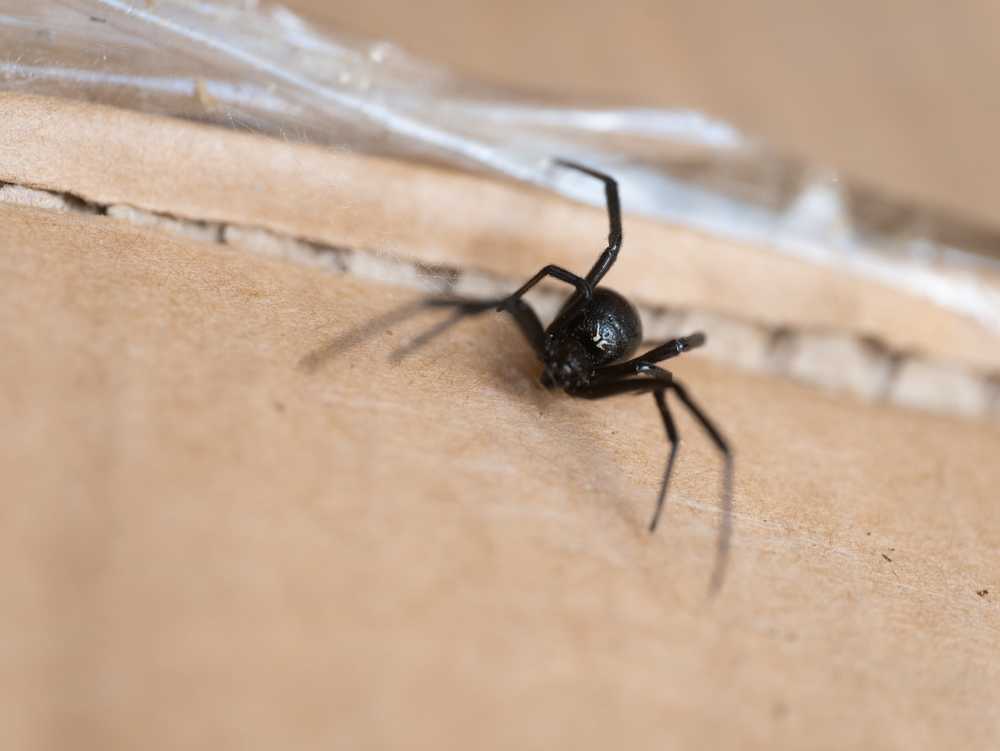
Female Black Widow: Key Characteristics, Behavior, and Safety Tips
Want to know how to identify the female black widow and stay safe? This article covers their appearance, habitats, and the risks they pose.
Physical Characteristics
Female black widow spiders are notably more prominent and distinctive than males. Their size, color, and iconic red hourglass marking on their abdomens make them easier to identify among other common spiders.
Understanding the specifics of their size, color, and the significance of their red hourglass marking reveals their roles in the spider’s survival and identification.
Size and Color
Female black widows, with body lengths reaching up to 13 mm, are considerably larger than males, being almost twice their size. This size difference significantly impacts their mating and survival strategies.
Typically shiny and jet black, female black widows can sometimes appear brownish-black under certain lighting conditions. This dark, glossy appearance helps them blend into their preferred habitats, making them both beautiful and intimidating.
Red Hourglass Marking
The red hourglass marking on the underside of a female black widow’s abdomen is both striking and a key identifier for the species. It stands out against their shiny black bodies, effectively warning potential predators.
While most female black widows have this iconic hourglass marking, some may lack it, especially younger spiders. Despite these variations, the red hourglass remains the most reliable way to identify female black widows, distinguishing them from other common spiders.
Habitat and Behavior
The habitats and behaviors of female black widows are as intriguing as their physical characteristics. They prefer dimly lit, secluded environments, often avoiding areas with high human activity to stay hidden and safe from threats.
Knowing where female black widows prefer to live and how they hunt aids in identifying and avoiding them. Their habitats range from wood piles to basements, and their webs are strategically messy to catch prey.
Let’s delve deeper into their preferred habitats and their unique web-building and hunting behaviors.
Preferred Habitats
Female black widows thrive in dark, undisturbed areas such as wood piles, attics, basements, and garages, where they can build their webs without disturbance. These locations provide the seclusion and safety they need to hunt and reproduce.
Preventing black widow infestations involves eliminating potential habitats. Storing firewood at least 20 feet away from your home and off the ground reduces the chances of attracting these spiders. Keeping living spaces tidy and free from clutter also minimizes the risk of encountering black widows.
Webs and Hunting
Black widow spider webs are notoriously disorganized and irregular, strategically advantageous for capturing prey. Built close to the ground in secluded areas, these messy webs effectively trap unsuspecting insects and small animals.
Female black widows hunt by waiting for prey to become entangled in their webs. Once caught, the spider quickly immobilizes it with venom, ensuring a steady food supply. This efficient and deadly method highlights the black widow’s prowess as a predator.
Medical Importance
The medical significance of female black widow bites is considerable. While rarely fatal, they can cause severe symptoms and complications. The venom of female black widows is more potent than that of a rattlesnake, making their bites especially dangerous.
Recognizing the symptoms and knowing the appropriate treatment for black widow bites is crucial for managing these potentially serious encounters.
Symptoms of Bites
A black widow bite initially causes sharp pain and swelling at the site, often accompanied by visible fang marks. Localized symptoms can include two red fang marks, rash, or erythema. As the venom spreads, victims may experience severe pain, muscle cramps, and nausea.
These symptoms can escalate rapidly, leading to more severe complications if not treated promptly. Early recognition and seeking medical attention are essential to mitigate the venom’s effects.
Treatment and First Aid
First aid for black widow bites includes cleaning the bite site and applying ice to reduce swelling. Immediate medical attention is important, especially if severe symptoms develop. Treatment options may include muscle relaxants, antihistamines, and analgesics to manage pain and other symptoms.
In serious cases, antivenom is available and typically administered to high-risk patients. Contacting poison control centers provides additional guidance and support in managing black widow bites.
Safety Tips and Prevention
Preventing encounters with black widows involves maintaining a clean environment and taking specific safety measures. Minimizing clutter both indoors and outdoors deters these spiders from nesting close to human habitation.
These safety tips can significantly reduce the risk of black widow infestations and bites. Here are the recommended home safety measures and the importance of protective clothing and gear.
Home Safety Measures
Keeping your home organized and free from clutter effectively prevents black widow spider infestations. Regularly inspecting and sealing small cracks and gaps in windows, doors, and walls can prevent these spiders from entering. Additionally, natural repellents like essential oils can help keep black widow spiders away from your living spaces.
Outdoors, store firewood and stone debris away from the house to limit spider access. Regularly trimming plants and grass near the house also helps minimize spiders’ and scorpions’ access to your home.
Inspecting items such as shoes before wearing them is essential since they can be common hiding spots for spiders.
Protective Clothing and Gear
When working in areas where black widow spiders may be present, wearing protective clothing is vital. Long sleeves, pants, and gloves are highly recommended to prevent spider bites, especially when handling yard debris or working in dark, secluded areas where black widows might reside.
Using heavy-duty gloves provides an additional layer of protection when working in potentially infested areas. These precautions significantly reduce the risk of spider bites and ensure your safety while working in areas where black widows might dwell.
Understanding the physical characteristics, habitats, behaviors, and medical significance of female black widows is crucial for safely coexisting with these spiders. Female black widows are notable for their shiny black bodies, distinct red hourglass markings, and aggressive behavior during reproduction. Their preference for dark, undisturbed areas makes them a common presence near human dwellings, highlighting the importance of preventive measures.
By maintaining a clean and organized environment, using protective clothing, and following safety tips, you can minimize the risk of encounters with black widows. Call a professional to ensure your safety and peace of mind.
Frequently Asked Questions
What are the symptoms of a black widow bite?
The symptoms of a black widow bite include sharp pain, swelling, two red fang marks, severe pain, muscle cramps, and nausea. It is essential to seek medical attention promptly if bitten.
Where are black widow spiders commonly found?
Black widow spiders are typically found in dark, undisturbed areas like wood piles, attics, basements, and garages. It is essential to be cautious in these environments to avoid potential encounters.
How can I prevent black widow infestations in my home?
To prevent black widow infestations, maintain cleanliness both indoors and outdoors, keep firewood stored away from your home, seal any gaps in doors and windows, and consider using natural repellents. Taking these steps will significantly reduce the chances of an infestation.
How can I identify a female black widow spider?
To identify a female black widow spider, look for a shiny black body with a distinctive red hourglass marking on the underside of her abdomen, although she may appear brownish-black in certain lighting. This clear visual cue will help you distinguish her from other spiders.
What should I do if I get bitten by a black widow spider?
If bitten by a black widow spider, promptly clean the bite site, apply ice to alleviate swelling, and seek immediate medical attention. Timely intervention is crucial, as treatment may involve muscle relaxants or antivenom for severe reactions.