Arizona Blonde Tarantula: Habitat, Diet, and Care Tips
Discover the Arizona blond tarantula, its habitat, behavior, and care tips. Learn why this gentle spider is popular among tarantula keepers.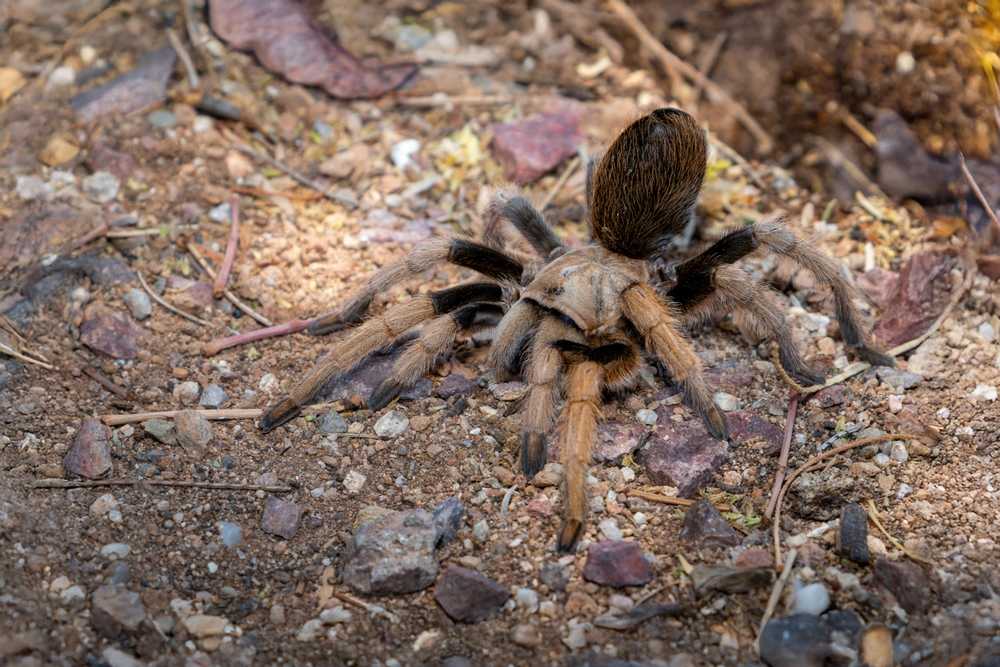
Arizona Blond Tarantula: Care, Habitat, and Facts
The Arizona blond tarantula, scientifically known as Aphonopelma chalcodes, is a fascinating species native to the southwestern United States and parts of northern Mexico. This large, relatively docile tarantula is admired for its striking light-colored carapace and adaptability to the harsh desert environment. In this article, we’ll explore its scientific classification, physical characteristics, behavior, habitat, and care tips for enthusiasts.
- The Arizona blonde tarantula (Aphonopelma chalcodes) is a large, nocturnal spider recognized for its sexual dimorphism, with females displaying a tan color and males having black legs and a reddish abdomen.
- This species thrives in arid environments such as the Sonoran Desert, showcasing burrowing behavior and a nocturnal lifestyle to avoid heat and enhance hunting efficacy.
- Despite its painful bite, the Arizona blonde tarantula is generally docile and non-aggressive, making it suitable for novice pet owners if proper care and respect for its environment are maintained.
Scientific Classification and Common Names
The Arizona blonde tarantula, known in the scientific community as Aphonopelma chalcodes, belongs to the tarantula genus Aphonopelma Pocock. This species belongs to the family Theraphosidae, which includes many large, hairy spiders known for their unique physical traits and behaviors. Knowing its scientific classification provides context for its place in the animal kingdom.
This arachnid is also known as the western desert tarantula and the Mexican blonde tarantula. These names originate from its natural habitats and distinctive appearance. The term ‘blonde tarantula’ refers to its light-colored carapace, contrasting with its darker legs and abdomen, making it a unique and easily recognizable species.
Physical Characteristics
The Arizona blonde tarantula is a large-bodied, hairy spider that captures attention with its striking appearance. Females typically display a uniform tan color, which covers both their carapace and legs, while males exhibit black legs, a copper-colored carapace, and a reddish abdomen. This sexual dimorphism not only aids in spider identification but also adds to the visual appeal of this species, especially as the spider undergoes sexual differentiation.
An Arizona blonde tarantula’s leg span can reach up to 6 inches, with a female body length between 3 to 4 inches. Females are generally larger than males, a common trait in many tarantula species. The tarantula’s body is covered in pale hairs, contributing to its ‘blonde’ moniker. Known as urticating hairs, these serve as a defense mechanism against predators.
Their sensory capabilities add a fascinating aspect to their physical characteristics. They can detect dim light and have sensitive spectral sensitivity, crucial for their nocturnal lifestyle. This light detection is vital for navigating and hunting in the dark desert environment. These adaptations highlight the balance between their physical form and behavioral habits.
Habitat and Distribution
Thriving in the arid landscapes of the Sonoran Desert, the Arizona blonde tarantula is also known as the desert blonde tarantula or Mexican blonde tarantula. They are distributed across Arizona, New Mexico, Southern California, and parts of northern Mexico. These regions, characterized by dry climates and sparse vegetation, provide ideal conditions for their survival.
Their burrowing spider behavior is one of the most intriguing aspects of their habitat. They are adept burrowers, creating silk-covered burrows in the desert soil. Ranging from 1 to 2 inches in diameter, these burrows offer refuge against extreme temperatures and predators. The silk lining at the burrow entrance alerts the spider to nearby prey, facilitating ambushes.
Strictly nocturnal, these tarantulas emerge at night to avoid the scorching daytime heat. Their activity peaks when temperatures range from 23°C to 31°C, showcasing their ability to thrive in variable conditions with minimal water.
This lifestyle not only aids their survival but also enhances their hunting efficiency in the desert’s dark, quiet nights.
Behavior and Lifestyle
The Arizona blonde tarantula’s fascinating behavioral traits make it a captivating subject for study. Nocturnal hunters, they are often seen at their burrow entrances at night, waiting for prey. Their activity aligns with their circadian rhythm, influenced by decreased environmental light intensity. This adaptation helps them avoid the harsh daytime temperatures of their desert habitat.
Despite their intimidating appearance, Arizona blonde tarantulas are known for their docile nature. They usually remain calm and are less likely to bite unless provoked. Instead, they launch urticating hairs from their abdomen as a primary defense. These hairs can irritate and discomfort predators, providing deterrence without aggression.
Molting Process
Molting is a critical phase in the development of Arizona blonde tarantulas, particularly for the molting female male. This involves shedding their exoskeleton to form a new one, allowing for growth and eventual sexual differentiation. Younger tarantulas molt more frequently than adults, with juveniles shedding their exoskeleton up to twenty-five times in two years. This frequent molting is essential for their rapid growth and development.
During molting, avoid handling Arizona blonde tarantulas as their bodies are soft and vulnerable. Molting typically occurs in March and April and requires a safe, undisturbed environment. A suitable habitat with proper humidity and temperature can aid in a smooth molting process, ensuring the tarantula’s health and growth.
Reproduction and Lifespan
The reproductive cycle of the Arizona blonde tarantula is fascinating. Mating primarily occurs during the summer rainy season, from June to December. During this period, males seek out females, often traveling long distances. After successful mating, females can store the male’s sperm for weeks or months before fertilizing their eggs.
After fertilization, female tarantulas lay their eggs in a sac containing 100 to 1,000 eggs. The egg sacs are carefully guarded until the young tarantulas hatch. Both male and female Arizona blonde tarantulas reach sexual maturity at around 8 to 10 years of age. However, their lifespans differ significantly after maturity. Males typically live only a few months after their final molt, while females can live for 24 to 30 years, making them one of the longest-living tarantula species.
Upon hatching, young tarantulas leave the nest within three to six days. Early dispersal helps reduce competition for resources and increases their survival chances. The long life expectancy and complex reproductive behaviors add to the allure and intrigue of this remarkable species.
Diet and Predation
The Arizona blonde tarantula primarily feeds on insects and small animals. Their diet includes:
- crickets
- beetles
- grasshoppers
- cicadas
- caterpillars
- occasionally small lizards and other arachnids
As opportunistic hunters, they rely on keen senses and patience, waiting at the burrow entrance for unsuspecting prey to pass by.
Despite their predatory prowess, they face significant threats from various predators. Birds, coyotes, foxes, and reptiles pose a constant danger. Their most formidable predator is the tarantula hawk, a large wasp that preys specifically on tarantulas. The tarantula hawk’s sting paralyzes the tarantula, allowing the wasp to lay its eggs on the immobilized spider, which then serves as food for the wasp larvae.
To evade threats, Arizona blonde tarantulas have developed several defense mechanisms. Their urticating hairs and quick retreats into burrows offer effective protection. These adaptations, along with their nocturnal habits, enhance their survival chances in the wild.
Toxicity and Human Interaction
The bite of the Arizona blonde tarantula is painful but not highly venomous. Their venom’s effects are often compared to a mosquito or bee sting, causing mild discomfort rather than severe harm. Despite having venom, these tarantulas are generally non-aggressive and rarely bite unless provoked, making them suitable for novice enthusiasts.
However, caution is needed regarding their urticating hairs. These hairs can cause irritation and even partial blindness if they contact the eyes. Proper handling and respecting the tarantula’s space can mitigate these risks, ensuring a safe experience for both the tarantula and its caretaker.
Conservation Status
The Arizona blonde tarantula, Aphonopelma chalcodes, maintains a stable population and is not currently classified as threatened or endangered. This species has demonstrated an ability to adapt to various environmental conditions, contributing to its resilience and stable conservation status. Their adaptability to desert habitat changes has played a significant role in their continued survival.
Healthy populations of Arizona blonde tarantulas are crucial for the ecological balance of their environment. These tarantulas control insect populations and serve as prey for larger predators. Their stable population status underscores the success of their adaptations and the importance of preserving their habitats.
Tips for Pet Owners
Creating an optimal environment is key to the well-being of an Arizona blonde tarantula as a pet. These tarantulas thrive in temperatures from 75-85°F (24-29°C) with humidity levels of 60-70%. Sphagnum moss in the enclosure can help maintain these humidity levels. Prioritizing floor space over height is important, as these tarantulas need ample substrate for digging.
Providing a shallow water dish, no deeper than half an inch, ensures that the tarantula has access to hydration without the risk of drowning. Feeding should consist of appropriately sized live insects such as crickets, mealworms, or superworms, offered about once or twice a week. Handling should be done with care, as falls from heights greater than three feet can be fatal for these tarantulas.
Cleaning the enclosure should be infrequent to minimize stress on the tarantula. Thorough cleanings every 4-6 months are sufficient to maintain a healthy environment. With the right care and attention, beginner tarantula keepers can find that Arizona blonde tarantulas can make fascinating and rewarding pets for both novice and experienced keepers alike.
The Arizona Blonde Tarantula
The Arizona blonde tarantula is a remarkable species, well-adapted to the harsh desert environment. From its distinctive physical characteristics to its intriguing behaviors and life cycle, this tarantula offers a wealth of fascinating insights for enthusiasts and pet owners alike. Understanding their habitat, diet, and defense mechanisms provides a deeper appreciation of their role in the ecosystem and their resilience in the face of environmental challenges.
It is clear that these creatures are not only captivating but also essential components of their natural habitats. Whether observed in the wild or kept as pets, they inspire curiosity and respect.
Frequently Asked Questions
What is the scientific name of the Arizona blonde tarantula?
The Arizona blonde tarantula is scientifically known as Aphonopelma chalcodes.
How long do female Arizona blonde tarantulas live?
Female Arizona blonde tarantulas typically have a lifespan of 24 to 30 years. This remarkable longevity is a notable characteristic of the species.
What should I feed my pet Arizona blonde tarantula?
Feed your Arizona blonde tarantula live insects such as crickets, mealworms, or superworms about once or twice a week. This ensures they receive the proper nutrition for their health and vitality.
Are Arizona blonde tarantulas dangerous to humans?
Arizona blonde tarantulas are not dangerous to humans, as their bite is painful but not highly venomous, posing minimal risk overall. They are generally non-aggressive, making them suitable for novice enthusiasts.
How do Arizona blonde tarantulas defend themselves?
Arizona blonde tarantulas defend themselves by using urticating hairs, which can irritate and cause discomfort to potential predators. This method effectively deters threats in their environment.