Earwig Infestation: How to Get Rid of Earwigs in Your Home
Learn simple, effective strategies to manage earwig infestations at home. Protect your space with practical tips—read now! (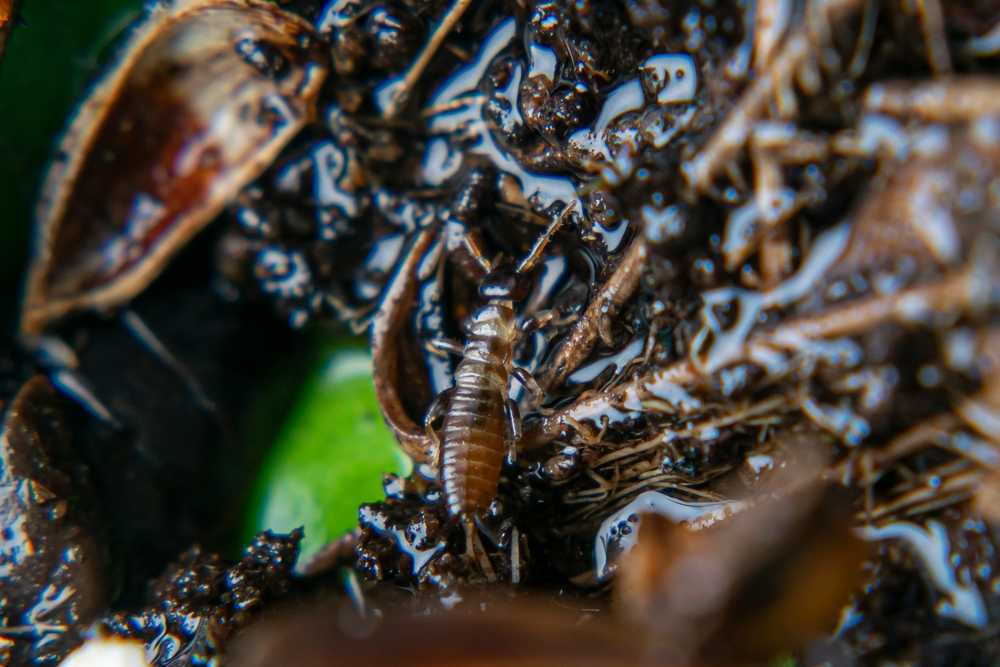
Effective Ways to Eliminate Earwig Infestation
An earwig infestation can be frustrating, especially when these pests begin showing up in damp areas around your home or garden. Earwigs are most active in warm, moist environments and often hide during the day before feeding at night. This article explains how to identify earwigs, where to look for them, how to prevent infestations, and what treatment options can help reduce their numbers.
Identifying Earwig Infestation
Early detection makes earwig problems easier to manage. Earwigs are most often found in warm, damp areas and may gather in gardens, mulch, decaying plant matter, basements, bathrooms, and other humid spaces. They can also wander indoors during periods of extreme heat or wet weather.
Signs of earwig activity include damage to flowers, seedlings, and soft plant growth, as well as earwigs hiding in dark, damp spaces around the home or yard. Spotting these signs early can help you take action before the problem grows.
Common Signs
Earwigs prefer warm, humid climates and are often found in decaying wood and dark, damp spaces. If you notice small holes in the foliage and flowers of plants such as brassicas, parsley, and raspberries, it’s likely due to earwig activity. These pests can cause significant plant damage, especially to young seedlings and soft plant shoots.
Another sign to watch for is domestic earwigs hiding in small cracks and crevices around your home. They often hide in large numbers in such tight areas during the day and come out at night to feed, with earwigs scurrying about. Identifying these signs allows for early action to control the infestation before it becomes severe.
Where to Look
When searching for earwigs, start in cool, damp hiding places. Outdoors, check under mulch, leaf piles, decaying plant material, stones, flower pots, and dense ground cover. Indoors, inspect basements, bathrooms, laundry rooms, and other humid areas.
You should also inspect around doors, windows, and foundation gaps where earwigs may enter the home. Knowing where they hide can make control efforts much more effective.
Preventing Earwig Infestations
Preventing earwig infestations starts with reducing moisture, removing hiding places, and blocking access into the home. Because earwigs are drawn to damp, sheltered areas, small changes in yard and home maintenance can make a big difference.
Moisture Control
Reducing moisture is one of the best ways to discourage earwigs. Clear gutters and downspouts, avoid overwatering, and improve drainage around your home and garden. Indoors, use dehumidifiers and improve ventilation in damp areas such as basements, bathrooms, and laundry spaces.
Removing Vegetation Cover and Debris
Earwigs hide in leaf piles, mulch, decaying plant material, wood piles, and other organic debris. Regularly clearing these materials can reduce shelter and make your yard less inviting. Removing rotten wood, trimming dense vegetation, and keeping garden beds tidy can also help limit earwig activity.
Sealing Entry Points
Seal cracks, gaps, and openings around doors, windows, foundations, and utility lines to help keep earwigs out. Repair damaged screens and weatherstripping, and check regularly for new gaps that may allow pests to enter.
Natural Methods to Get Rid of Earwigs
Natural methods can effectively control earwig populations without chemicals. These eco-friendly solutions are safe for your garden, home, and the environment.
Diatomaceous earth, homemade traps, and essential oils can manage earwig infestations naturally. These methods are simple yet effective in reducing earwig populations and preventing future infestations.
Diatomaceous Earth
Diatomaceous earth, a natural powder from fossilized diatoms, dehydrates earwigs upon contact, effectively controlling their populations without harsh chemicals.
This method is particularly useful in gardens, where earwigs feed on decaying plant material and other pests like grubs and aphids. Applying diatomaceous earth to the soil and around plants protects your garden from earwig damage while benefiting from their role as predators of other pests.
Homemade Traps
Homemade traps using simple household items can reduce earwig populations. A mixture of cooking oil and soy sauce attracts and traps earwigs. Place this mixture in a shallow container in areas where earwigs are active.
The smell of soy sauce lures earwigs into the trap where they get stuck in the oil. Regularly empty and refill the traps to control earwig populations. These traps are easy to make and highly effective in capturing earwigs.
Essential Oils
Certain essential oils, like peppermint, tea tree, and lemon, deter earwigs with their strong scents, acting as natural repellents.
Dilute essential oils in water and spray around areas where earwigs are present. Basil oil and lavender can also repel earwigs and other pests from your garden. These natural repellents safely and effectively manage earwig populations.
Chemical Treatments for Severe Infestations
For severe infestations, natural methods may not suffice. Chemical treatments offer a more effective solution when earwig populations are out of control. Use these treatments responsibly and consider professional assistance if needed.
Chemical pesticides containing spinosad are effective for earwig management. If infestations disrupt daily activities or cause significant plant damage, professional pest control services can offer tailored treatment plans.
Insecticidal Sprays
Insecticidal sprays target earwigs directly and provide a fast solution, eliminating them upon contact for immediate control.
Apply insecticidal sprays in areas where earwigs are active, such as around plants, tender weeds, and garden beds. Use with caution to avoid harming beneficial insects and plants.
Granular Baits
Granular baits attract earwigs, allowing them to consume the poison and significantly reducing their numbers. These baits lure earwigs in and poison them, effectively controlling their populations.
Place granular baits around the perimeter of your garden and near known hiding spots. Regularly check and replenish the baits to maintain effectiveness in reducing earwig populations.
Professional Pest Control Services
If earwigs continue appearing after multiple prevention and treatment efforts, professional pest control may be the best next step. A pest control professional can identify where earwigs are hiding, recommend the most effective treatment, and help reduce the chance of recurring activity.
Earwig infestations are easier to control when caught early. By reducing moisture, removing debris, sealing entry points, and using the right treatment methods, you can make your home and garden less attractive to these pests.
For more severe or persistent problems, professional pest control may be the most effective way to eliminate earwigs and prevent them from returning.
Frequently Asked Questions
Is it bad to have earwigs in your house?
It’s not bad to have earwigs in your house since they don’t cause harm or damage, but they can be a nuisance. You can simply sweep them up and get rid of them if they bother you.
How do you fix an earwig infestation?
To fix an earwig infestation, use strong scents like eucalyptus or peppermint to deter them, and consider applying a pesticide labeled for earwig control outdoors, following all safety instructions. Additionally, invite natural predators like birds and toads into your garden to help manage the population.
What are the common signs of an earwig infestation?
If you notice small holes in your plants, find earwigs lurking in cracks, or spot them in damp and dark areas, it’s a good indication of an earwig infestation. Keep an eye out, as these pests love to hide!
How can I prevent earwig infestations?
To prevent earwig infestations, manage moisture, clean up vegetation cover and debris, and seal any entry points around your home. These steps will help keep them out for good!
What natural methods can I use to get rid of earwigs?
You can effectively get rid of earwigs by using diatomaceous earth, setting up homemade traps with soy sauce and cooking oil, or applying essential oils like peppermint and tea tree oil. These natural methods make it easy to tackle the problem without harsh chemicals.