Effective Rodent Pest Control: Protect Your Home from Infestation
Discover simple and effective rodent pest control tips to keep your home safe, clean, and pest-free. Say goodbye to unwanted rodents today!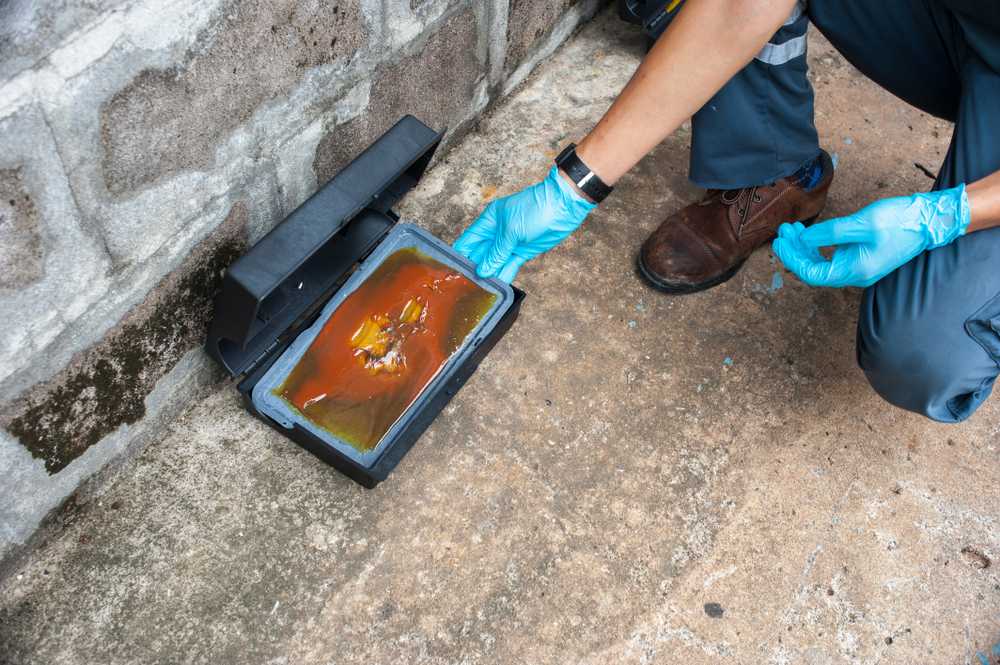
Top Rodent Pest Control Methods for a Pest-Free Home
Need to control a rodent infestation? This rodent pest control guide provides effective solutions to keep your home rodent-free. From professional help to DIY tips, here are the best ways to handle your rodent problem. If you notice tubular mud or sand structures hanging from the ceiling, these could be a sign of termite activity.
- Professional pest control services offer effective rodent removal and prevention tailored to your specific needs.
- Early detection of rodent signs, such as droppings and gnaw marks, is crucial for preventing larger infestations.
- Understanding rodent behavior and conducting thorough inspections are key steps in implementing long-term rodent control strategies.
Effective Rodent Control Services
When it comes to rodent control, pest control professional services are your best bet for a thorough and effective solution. Licensed pest control professionals conduct thorough interior and exterior treatments to address rodent problems at their source. Certified experts handle rodent issues efficiently and precisely, ensuring your home remains rodent-free.
Common Rodent Infestation Signs
Early recognition of rodent infestation signs can save significant trouble later. One of the most telltale indicators is the presence of rodent droppings. These are commonly found around food packages, in drawers, and under sinks. Droppings clearly indicate the presence of active rodents and an ongoing infestation in your home.
Chewing marks on food packaging and other materials are a strong indication of rodent activity. Rodents gnaw on various objects to keep their continuously growing teeth in check. Nest-building materials, such as shredded paper, fabric, or dried plant matter, might also be found in hidden areas. Rodents often use these materials to create nests for their offspring.
Sounds can also be a giveaway. Scratching, scurrying, or squeaking noises, particularly at night, commonly signal rodent presence. An unpleasant stale odor in hidden areas might also indicate a rodent infestation. These signs, when noticed early, can prompt timely intervention to address the rodent problem before it escalates.
How to Prevent Rodent Infestations
Preventing rodent infestations begins with eliminating sources of food and water that attract these pests. Keep garbage in sealed containers and store food in airtight containers to prevent access by rodents and to ensure that they do not contaminate food. Regularly turning compost piles can cover up food scraps that might otherwise attract rodents to your yard. Removing potential nesting areas like leaf piles and deep mulch from your property also helps.
Closing off entry points is also crucial for rodent prevention. Since rodents can squeeze through small holes, sealing openings in walls and floors with materials like steel wool is important. This physical barrier prevents rodents from entering your home and setting up nests.
Comprehensive pest control plans offer long-term solutions. Their services are designed not only to remove rodents and other pests but also to prevent future infestations. Their follow-up services ensure ongoing rodent prevention, providing long-term peace of mind.
Professional Rodent Removal Techniques
Professional rodent removal techniques are effective and humane. Successful rodent treatment plans often use tamper-resistant bait stations. These stations ensure that the bait is accessible to rodents but safe from pets and children. Traditional snap traps are also highly effective for controlling rodent populations in homes and can help to get rid of rats.
Pre-baiting traps can familiarize cautious rats with the devices before setting them. Placing traps along walls where rodents travel enhances their effectiveness. For persistent infestations, using poison or bait stations should be considered to ensure controlled application and safety.
Daily trap checks are essential to promptly dispose of any captured rodents and reset the glue traps. This diligent approach ensures that the rodent problem is addressed quickly and efficiently, minimizing the risk of further infestation.
Understanding Rodent Behavior
Understanding rodent behavior is crucial for implementing effective control strategies. Rodents are prolific breeders, capable of producing multiple litters each year, which can quickly lead to significant increases in rat populations. This knowledge aids in planning timely interventions to control their numbers, as highlighted by various rodent facts.
Rodents have continuously growing incisors that require constant gnawing on various materials for maintenance. This behavior not only helps them keep their teeth in check but also causes damage to food packaging, wiring, and wood in your home. Recognizing gnaw marks can indicate rodent presence and behavior.
Understanding rodent behavior, including breeding habits and feeding needs, allows for more effective pest control strategies. This knowledge enables professionals to address the root causes of infestations, ensuring sustainable results.
The Importance of a Thorough Inspection
A thorough inspection is fundamental to an effective rodent control strategy. Professional comprehensive inspections identify existing infestations and potential entry points. This detailed examination is crucial for formulating an effective pest management strategy.
Inspections offer vital insights that enhance pest control recommendations. A thorough inspection can significantly boost customer confidence in pest control services. Rodents can create entry points by chewing through walls and floors, so accessing these areas is essential for a successful inspection.
A comprehensive inspection also helps identify the conducive conditions that might attract rodents, such as food availability and nesting sites. Addressing these conditions as part of the pest control plan ensures a holistic and long-term solution to rodent problems.
Health Risks Associated with Rodents
Rodents pose significant health risks beyond being a nuisance. Hantavirus can be spread through rodent urine, droppings, and saliva, posing serious health risks as they can carry diseases. Exposure to contaminated materials can cause hantavirus disease, leading to severe respiratory issues.
Hantavirus infections can occur when rodent droppings are disturbed, releasing the virus into the air. Symptoms of hantavirus infection, including fever, fatigue, and muscle pain, can take weeks to appear. Inadequate ventilation in areas with rodent infestations increases the risk of hantavirus infection.
Recognizing the health risks posed by rodents is crucial for effective pest management and prevention. Addressing these risks helps homeowners protect their families from diseases rodents can carry and transmit.
Professional rodent control services, effective removal techniques, and preventive measures are key to long-term success. Don’t wait for a minor rodent issue to become a major infestation. Take action today and enjoy the peace of mind that comes with a pest-free home.
Frequently Asked Questions
How do I get rid of rodents permanently?
To get rid of rodents permanently, seal all cracks and holes, store food in airtight containers, and maintain a clutter-free environment. Taking these proactive steps will help ensure your home stays rodent-free for good!
What is the most effective rodent control?
Using traps and rodent baits is the most effective way to control rodent populations. Stay patient and persistent, and you’ll see results!
What are the common signs of a rodent infestation?
If you notice droppings, gnawed food packaging, or scratching sounds, it’s crucial to address a potential rodent infestation immediately. Taking swift action can help keep your home safe and healthy!
How can I prevent rodent infestations in my home?
To prevent rodent infestations, eliminate food and water sources, use airtight containers for storage, remove nesting sites, and seal any entry points in your home. Taking these steps will help ensure a rodent-free environment!
What techniques do professionals use for rodent removal?
Professionals effectively remove rodents by using tamper-resistant bait stations, snap traps, and poison, along with strategic trap positioning. Trust the experts to tackle your rodent problems efficiently!