Tarantula Wasp Identification and Safety Guide
Discover fascinating tarantula wasp facts, their powerful sting, and how to stay safe around them. Learn simple ways to avoid encounters.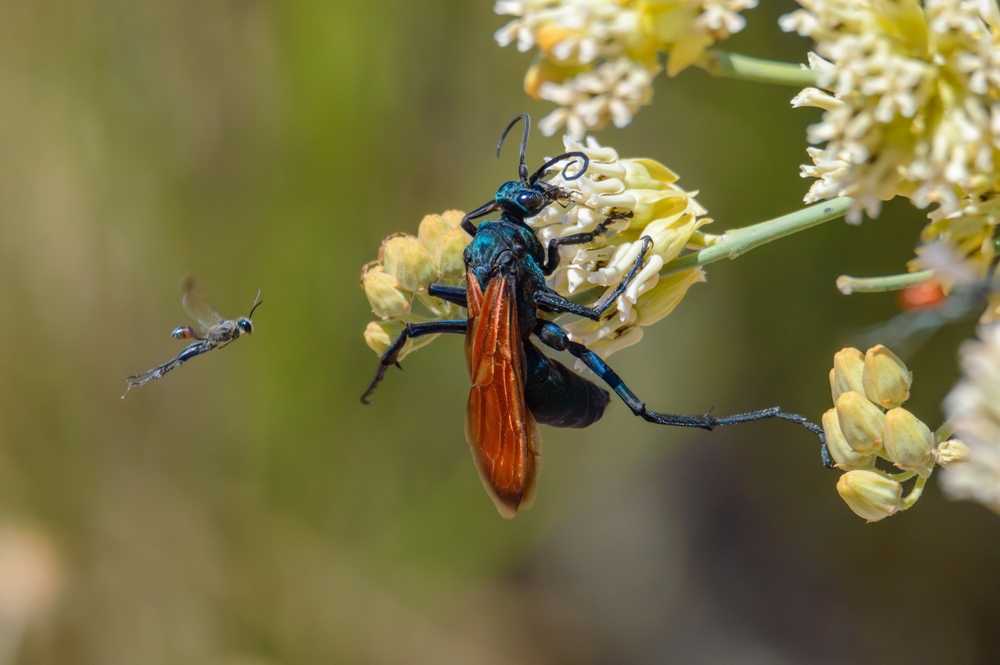
Tarantula Wasp: The World’s Most Painful Sting Explained
Tarantula wasps, or tarantula hawks, are notorious for their incredibly painful sting and their unique method of hunting tarantulas. These large, colorful wasps play a crucial role in ecosystems by controlling spider populations. This article will explore why the tarantula wasp is both feared and fascinating, focusing on its infamous sting and ecological significance.
- The female tarantula hawk has one of the most painful stings in the insect world, rated a top score of four on the Schmidt pain index, with pain lasting about five minutes.
- Tarantula hawks play a vital ecological role as both pollinators and natural controllers of tarantula populations by immobilizing and feeding on them during their larval stage.
- Despite their painful sting, tarantula hawks are generally docile creatures that only attack when provoked, posing little danger to humans.
Meet the Tarantula Wasp
The tarantula hawk, belonging to the genus Pepsis, is a large and strikingly beautiful wasp. These wasps are iridescent black with bright orange wings, making them easy to identify in their natural habitats. Among the largest species, Pepsis heros can reach an impressive 11 cm in length, making it one of the largest insects in the world.
Tarantula hawks have slender bodies and distinctive wing patterns that set them apart from other wasps. Their imposing size and vibrant colors are not just for show; they play a crucial role in their survival, signaling potential predators to stay away. The genus Pepsis, which includes over 300 pepsis species, is known for its members’ formidable stings and their unique hunting behavior.
Interestingly, these large wasps are relatively docile unless provoked. It is the female tarantula hawk that is particularly known for its aggressive hunting tactics. While the males are generally less aggressive, both sexes contribute to the species’ ecological roles, which we will explore in more detail later.
As we delve deeper into the life of the tarantula hawk, we will uncover the reasons behind its fearsome reputation. The next section will focus on what makes the sting of the tarantula hawk so notorious and how it compares to other painful insect stings.
The Painful Sting of a Tarantula Wasp
The sting of the female tarantula hawk is legendary, known for being one of the most painful insect stings in the world. Those unfortunate enough to be stung describe the pain as ‘instantaneous, electrifying, and totally debilitating’. It is no wonder that the tarantula hawk’s sting has achieved a top score of four on the Schmidt pain index, a scale created by American entomologist Justin Schmidt to rate the pain of insect stings.
In terms of intensity, the pain from a tarantula hawk sting is second only to that of the South American bullet ant. However, unlike the bullet ant’s sting, which can cause prolonged pain and discomfort, the pain from a tarantula hawk sting usually lasts around five minutes. This short duration of excruciating pain is often enough to deter most predators and humans from further interactions with these wasps.
Comparatively, the pain from a tarantula hawk sting is far more intense than that of the more commonly known honey bee. The sensation has been described as ‘shockingly electric,’ leaving the victim unable to do anything but scream and endure the painful stings. It is a truly unique and unforgettable experience in the insect world.
Despite its notoriety, the tarantula hawk’s sting serves a vital purpose. It is used primarily as a defense mechanism to protect the wasp from potential threats. In the next section, we will explore how these formidable insects use their sting in the wild, particularly when hunting and paralyzing their prey.
Hunting and Paralyzing Prey
The female tarantula hawk wasp is a skilled hunter, known for her ability to locate and paralyze tarantulas. This remarkable behavior begins with the wasp crawling along the ground, searching for tarantula burrows. Upon finding a burrow, the wasp lures the tarantula out and engages it in a fierce battle.
The wasp delivers a precisely aimed sting that injects potent venom into the tarantula, rendering it immobile. This venom specifically targets the spider’s nervous system, causing paralysis without killing the prey. The paralyzed spider and paralyzed tarantula are then dragged back to the wasp’s burrow, where the real horror begins for the spider wasps.
After securing the tarantula, the female wasp lays a single egg on the spider’s abdomen. This egg will hatch into a larva that begins to feed on the still-living tarantula. The larva avoids vital organs, ensuring that the spider remains alive for as long as possible, providing a fresh food source. This gruesome method of feeding ensures the larva’s survival and growth.
The hunting and paralyzing behavior of the tarantula hawk is a fascinating example of nature’s complexity and brutality. It showcases the intricate relationship between predator and prey, where every move is calculated for survival. In the following section, we will delve into the life cycle of tarantula wasps, from egg to adult, detailing how these behaviors play a crucial role in their development.
Life Cycle of Tarantula Wasps
The life cycle of the tarantula hawk is intricately linked to the tarantulas they hunt. It all begins when a female tarantula hawk immobilizes a tarantula with her sting and lays an egg on its abdomen. Within three to four days, the egg hatches into a larva that begins to consume the paralyzed tarantula.
The larva starts by feeding on non-vital organs, ensuring the spider remains alive for as long as possible. This method of feeding is crucial for the larva’s development, providing a fresh and continuous food source. The larva consumes haemolymph and spider tissue, gradually working its way to the vital organs.
After several weeks of feeding, the larva finally kills the tarantula by consuming its heart and nervous system tissues. The young wasp then pupates inside the tarantula, emerging as an adult wasp after two to three weeks. This life cycle, from egg to adult, is a testament to the tarantula hawk’s evolutionary adaptations and its role in the insect world.
Habitat and Distribution
Tarantula hawks are found in various regions across the globe, except in Europe and Antarctica. They are particularly common in South and Central America, as well as the southern United States. Their range extends from northern Utah to central Argentina, showcasing their adaptability to different environments.
These wasps thrive in areas with abundant tarantula populations, as their life cycle depends on the availability of these spiders. They are especially prevalent in the southwestern United States and Central America, where conditions are favorable for their survival.
Tarantula hawks prefer habitats with tall plants and open spaces, which provide ample hunting grounds and opportunities for finding nectar. Their distribution is closely tied to their ecological needs and the presence of tarantula populations.
Role in the Ecosystem
Tarantula hawks play a crucial role in their ecosystems, both as pollinators and as natural controllers of tarantula populations. Adult tarantula hawks primarily consume nectar and pollen from flowers, aiding in the reproduction of various plant species such as milkweeds and mesquites.
Tarantula hawks help maintain the balance of their ecosystems by controlling tarantula populations. The larvae feed on paralyzed spiders, preventing overpopulation and ensuring a stable environment. This dual role of pollination and population control highlights the importance of tarantula hawks in the natural world.
Their presence benefits both plants and other animals, showcasing the interconnectedness of ecological systems. Understanding the role of tarantula hawks helps us appreciate the complexity and balance of nature.
Are They Dangerous to Humans?
Despite their fearsome reputation, tarantula hawks are generally docile creatures that avoid confrontation unless provoked. The sting of a tarantula hawk, though extremely painful, is primarily a defensive mechanism used to deter threats. When stung, the natural response is to lie down and scream, as described by entomologist Justin Schmidt.
The pain from a tarantula hawk’s sting is intense but usually lasts only about five minutes. While the sting is not fatal, it is a clear warning to avoid these wasps. Female tarantula hawks use their powerful stinger to protect themselves and their offspring from potential predators.
In general, tarantula hawks pose little danger to humans as long as they are not provoked. Their role in the ecosystem far outweighs the risks they pose, making them fascinating and important creatures in the natural world.
Conservation Status
Tarantula wasp populations are currently stable and not categorized as endangered. However, they rely on undisturbed natural habitats to thrive. Habitat destruction poses a significant threat to their survival, as these wasps depend on intact ecosystems to persist.
Conservation efforts should focus on preserving natural habitats and ensuring the availability of tarantula populations for these wasps. Protecting their environment is crucial for maintaining the delicate balance of their ecosystems.
The tarantula hawk is a remarkable insect, known for its painful sting and unique hunting behavior. From their role in controlling tarantula populations to their importance as pollinators, these wasps play a vital part in maintaining ecological balance. Despite their fearsome reputation, they are generally docile and only pose a threat when provoked.
Understanding the life cycle, habitat, and ecological role of tarantula hawks helps us appreciate the complexity of nature and the interconnectedness of various species. Their presence benefits both plants and animals, showcasing the importance of preserving their natural habitats.
It is essential to protect their environments and ensure their survival for future generations. By doing so, we contribute to the health and balance of our ecosystems.
Frequently Asked Questions
Is a tarantula an insect?
A tarantula is not an insect; it is an arachnid, which has two main body parts and eight legs, unlike insects that have three body parts and six legs.
Is a spider wasp poisonous?
Yes, spider wasps are not poisonous but possess a venom that causes painful stings to humans. While their sting is generally severe, it is not dangerous to most except for those with allergies.
Where do tarantula wasps live?
Tarantula wasps live in various desert habitats, including shrublands and grasslands, primarily in the southwestern United States and on every continent except Europe and Antarctica. Despite their fearsome appearance, they are not aggressive and are often found near flowers.
Are tarantula wasps aggressive?
Tarantula wasps are not aggressive and typically won’t bother you unless provoked, despite having a famously painful sting.
What is a tarantula hawk?
A tarantula hawk is a large wasp recognized for its excruciating sting and its predatory behavior of hunting tarantulas. Its presence in nature serves as a striking reminder of the complexities of the ecosystem.