White-lined Sphinx Caterpillar: Facts & Diet Guide
Discover the white-lined sphinx caterpillar—its look, diet, and life cycle. Learn fun facts in simple language today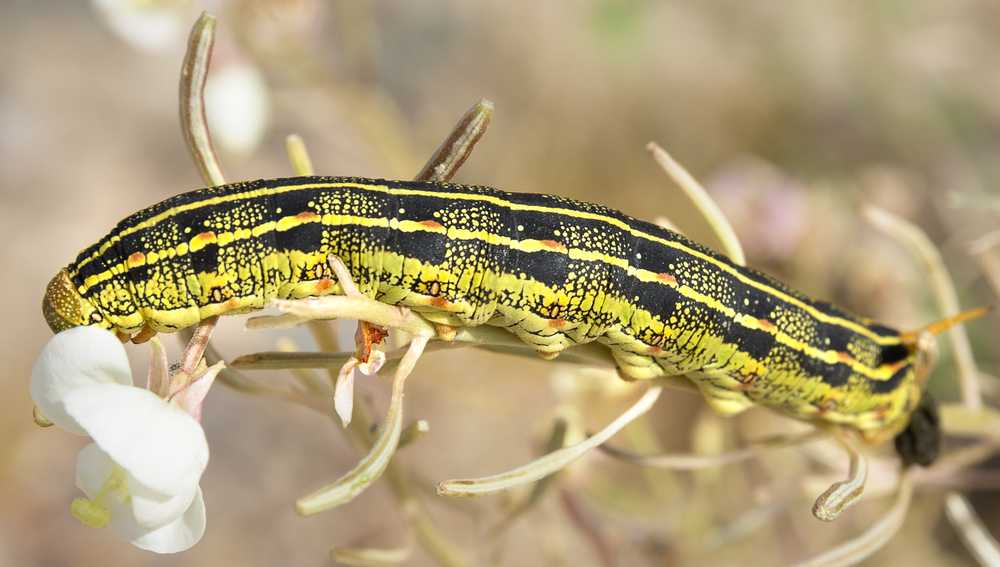
White-Lined Sphinx Caterpillar Guide: Identification & Care Tips
The white-lined sphinx caterpillar, or Hyles lineata, is an eye-catching larva known for its vivid colors and unique characteristics. Interested in identifying one or learning about its life cycle? This article will cover everything you need to know, from identification and typical habitats to feeding habits and how to care for them. If you are also curious about creatures often found in similar habitats, like scorpions, you might want to learn whether scorpions lay eggs or give live birth.
- White-lined sphinx caterpillars are easily identifiable by their vibrant colors, distinctive horns, and specific growth stages throughout their life cycle.
- These caterpillars feed on a wide array of host plants, influencing local ecosystems without causing significant agricultural damage.
- To care for white-lined sphinx caterpillars, cultivate native plants and reduce pesticide use to create a supportive environment for their growth.
Identification of White-Lined Sphinx Caterpillar
White-lined sphinx caterpillars are a sight to behold, with their striking range of colors that can vary significantly. You might encounter them in shades ranging from a bright yellow-green to a deep bluish black. In the Midwest, the most common color morph is a vibrant green adorned with dark lengthwise stripes and colorful dots, making them easy to spot among the foliage.
One of the distinctive features of these caterpillars is the pointed horn at their rear. This horn can vary in color from yellow to orange and typically has a black tip, adding to the caterpillar’s striking appearance. Additionally, the head and prothoracic shield of the caterpillar usually match the color of its body, whether it be green or orange, providing a seamless look.
If you ever come across a caterpillar with these characteristics, you’re likely looking at a white-lined sphinx caterpillar. Their unique appearance not only makes them fascinating to observe but also relatively easy to identify.
Life Cycle Stages
The life cycle of the white-lined sphinx moth is a captivating journey through four distinct stages:
- Egg
- Larva
- Pupa
- Adult
Typically, these moths complete two generations each year, allowing for multiple opportunities to observe their transformation.
Each stage has its own unique characteristics and requirements.
Eggs
The life of a white-lined sphinx moth begins when the adult females lay their eggs on the upper surfaces of host plant leaves during the spring. These eggs are usually deposited singly, ensuring that each caterpillar has ample access to food once it hatches.
The eggs themselves are lime green and blend in well with the foliage, making them difficult to spot. This camouflage helps protect them from predators and increases their chances of survival.
With hundreds of eggs laid at a time, the potential for a new generation of caterpillars is abundant.
Larvae
Once the eggs hatch, the resulting larvae begin their journey through five distinct growth stages, known as instars. During these stages, the caterpillars undergo significant changes in size and appearance. Keeping an eye on these growth stages is crucial for understanding their development and preparing for their eventual pupation.
The larval stage is perhaps the most fascinating part of the white-lined sphinx moth’s life cycle. These caterpillars are voracious eaters, consuming large amounts of foliage from their host plants. This feeding behavior not only allows them to grow rapidly but also impacts the plant community around them.
As they progress through the instars, the caterpillars develop distinctive features, such as small black dots and an anal plate, which help in their identification. Their vibrant colors and patterns become more pronounced, making them even more captivating to observe.
Pupation
When the caterpillars are ready to pupate, they burrow into the soil, requiring a substrate that provides the necessary conditions for successful metamorphosis. This stage is crucial, as the caterpillars undergo a complete transformation to emerge as moths.
The type of substrate is vital for the pupation process. It must allow easy access to the ground and provide a stable environment for the caterpillars to complete their metamorphosis. Ensuring the right conditions can significantly impact the success rate of their transformation.
Host Plants and Feeding Habits
White-lined sphinx caterpillars have a diverse palate, preferring a wide range of host plants. Some of their favorites include evening primrose, four-o’clocks, grape, tomato, purslane, and Jimson weed. Their feeding habits are voracious, and they can consume large amounts of foliage, sometimes even entire plants, when present in large numbers.
Despite their hearty appetite, these caterpillars are not considered major agricultural pests. Their impact on crops is generally minimal, and they play a role in maintaining the balance of plant communities in their habitats. Their feeding habits influence which plants thrive, thus contributing to the dynamics of the ecosystem.
Observing these caterpillars as they feed can provide valuable insights into their behavior and the health of the ecosystem. These caterpillars highlight the intricate web of life sustaining our natural world.
Habitat and Distribution
The white-lined sphinx moth is a common sight across most of North America, with its range extending from southern Canada to Central America. In warmer climates, white-lined sphinx moths can have multiple generations each year, taking full advantage of the extended growing seasons.
To thrive, white-lined sphinx caterpillars require specific habitat conditions. They need proper moisture and temperature, as they flourish in warm and humid environments. These caterpillars are also sensitive to pesticides, making it essential to avoid chemical treatments in areas where they are present.
To pupate, the larvae burrow 1-4 inches into organic matter or topsoil. This behavior ensures they have a safe and suitable environment to undergo their transformation into adult moths.
Natural Predators and Threats
White-lined sphinx caterpillars face numerous threats in the wild. Birds and bats are among their most common predators, often preying on them during their larval stages. Additionally, parasitoid wasps and flies lay their eggs in living caterpillars, using them as a food source for their larvae.
Camouflage is a key defense mechanism for these caterpillars, helping them blend into their surroundings and evade predators. Other beneficial insects, such as spiders and true bugs, also prey on white-lined sphinx caterpillars, playing a role in controlling their populations.
Importance in Ecosystem
In the grand tapestry of the ecosystem, white-lined sphinx caterpillars play a vital role. They serve as a food source for various birds and insects, contributing to the local food web. This connection helps maintain the balance of predator and prey populations, which is essential for a healthy ecosystem.
Historically, these caterpillars were also utilized as a food source by some Native American tribes. Creating native flower borders can foster habitats for natural predators of the caterpillars, further integrating them into the local environment.
Tips for Caring for White-Lined Sphinx Caterpillars
Caring for white-lined sphinx caterpillars can be a rewarding experience. To support their populations, cultivate native plants in your garden and minimize the use of pesticides. These practices create a more favorable environment for the caterpillars and other beneficial insects.
A suitable habitat requires ample space and a variety of native plants and other plants to meet the caterpillars’ needs. This not only supports their growth but also enhances the biodiversity of your garden.
Taking these steps helps ensure the survival of these fascinating creatures and lets you enjoy the beauty they bring to your outdoor spaces.
The white-lined sphinx caterpillar is a remarkable creature with a fascinating life cycle and significant ecological role. From their striking appearance to their important place in the food web, these caterpillars offer much to appreciate and learn about.
By understanding their needs and providing a suitable habitat, you can help support their populations and contribute to a healthier ecosystem. Embrace the wonder of these caterpillars and enjoy the vibrant life they bring to your garden.
Frequently Asked Questions
How can I identify a white-lined sphinx caterpillar?
To identify a white-lined sphinx caterpillar, observe its bright yellow-green to bluish black coloration, pointed horn at the rear, and distinctive dark stripes with colorful dots. These features will help you recognize this specific caterpillar.
What do white-lined sphinx caterpillars eat?
White-lined sphinx caterpillars primarily feed on a variety of host plants such as evening primrose, four-o’clocks, grape, tomato, purslane, and Jimson weed. Providing access to these plants can support their development effectively.
Where can I find white-lined sphinx moths?
You can find white-lined sphinx moths throughout most of North America, ranging from southern Canada down to Central America. Their widespread distribution makes them relatively easy to locate in these regions.
What are the natural predators of white-lined sphinx caterpillars?
White-lined sphinx caterpillars are commonly preyed upon by birds, bats, parasitoid wasps and flies, spiders, and true bugs. Understanding these natural predators can help in managing their population effectively.
How can I care for white-lined sphinx caterpillars in my garden?
To care for white-lined sphinx caterpillars in your garden, cultivate native plants, provide ample space, and minimize pesticide use. This approach will create a supportive habitat for them to thrive.