Large Red Ants in Your Home? Identification, Bites & Control Tips
Stop large red ants before they spread. Learn how to identify the species, remove nests, use ant baits correctly.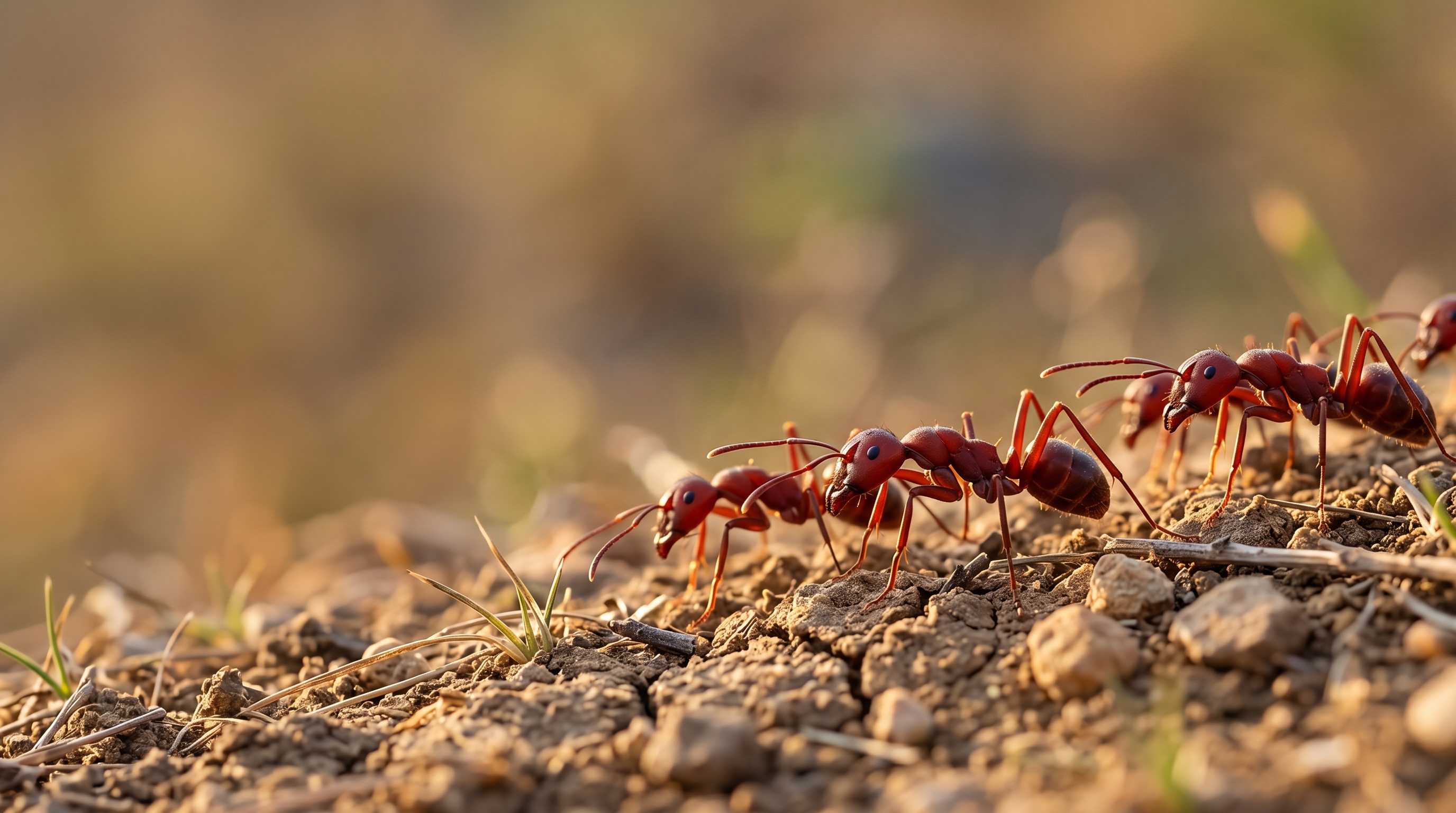
What Are Large Red Ants? Identification and Control Tips
What to Know
- Large red ants in Arizona may include fire ants, harvester ants, carpenter ants, and velvet ants, which are actually wingless wasps.
- Fire ants and harvester ants can deliver painful stings that cause burning, swelling, blistering, and, in some cases, allergic reactions.
- Color alone is not enough for identification. Mound shape, ant size, nesting location, and behavior all help distinguish one species from another.
- DIY treatments may reduce visible activity, but they often fail to eliminate the queen or the full colony.
What People Mean by “Large Red Ants”
Arizona homeowners often use the phrase “large red ants” to describe several different insects they see in yards, rock beds, or along foundations. These may include red imported fire ants, native fire ants, red harvester ants, large red carpenter ants, or even velvet ants, which are actually wingless wasps.
Because color alone is not enough for accurate identification, it is important to look at size, mound shape, nesting location, and behavior. Correct identification helps determine whether the insects are mainly a nuisance, a sting risk, or a threat to wood and structures.
Common Large Red Ants in Arizona
Arizona’s hot, dry climate supports several types of large red ants and red ant look-alikes. Some sting, some bite, and some can damage landscaping or wood around the home. The most common types differ in appearance, nesting habits, and level of risk, which is why proper identification matters before treatment begins.
Red Imported Fire Ants
Red imported fire ants are invasive pests that originated in South America and later spread through parts of the southern United States, including some areas of Arizona. These ants have a reddish-brown to dark red body with a shiny appearance, and workers can vary in size within the same colony.
Their mounds are dome-shaped soil structures with no obvious opening at the top. Fire ant mounds often appear in sunny lawns, near sidewalks, around irrigation boxes, and in other disturbed outdoor areas.
They are extremely aggressive when their mound is disturbed. Workers swarm quickly and sting repeatedly, often causing burning pain, raised welts, and white pustules. Because their colonies can be difficult to eliminate fully, targeted treatment is often needed to reach the queen and reduce the chance of re-infestation.
Native Fire Ants
Arizona also has native fire ant species, including southern fire ants. These ants can look similar to red imported fire ants, though they may be slightly less aggressive and often form smaller colonies.
They usually have a reddish-brown body and are found near sidewalks, driveways, patios, tree bases, and other areas with disturbed soil. Like imported fire ants, they bite and sting, causing burning pain, swelling, and blistering.
Because their behavior and nesting patterns can resemble other fire ants, proper identification is important before treatment begins.
Red Harvester Ants
Red harvester ants are common in Arizona deserts, open lots, and sunny yards with rock, gravel, or decomposed granite. These ants are larger than many other red ants and usually have a deep red to orange-red body, long legs, and a prominent head with strong mandibles.
Their nests often feature wide, bare circles of cleared ground with a central entry hole, sometimes surrounded by seed husks left behind from foraging. These mounds usually appear in open, sunny spaces away from structures.
Red harvester ants sting when disturbed, and their sting can be very painful. They are especially concerning in yards where children or pets may accidentally step near active nests.
Large Red Carpenter Ants
Some carpenter ant species in Arizona have reddish heads or reddish-brown thoraxes with darker black abdomens, which can make them look like large red ants at first glance. They are generally larger than fire ants and move more slowly.
Unlike fire ants or harvester ants, carpenter ants do not build soil mounds. Instead, they nest in wall voids, moist areas, and damaged or softened wood. They tunnel through wood to create galleries, which can make them a concern when moisture damage is already present.
Their bites can be painful, and they may spray formic acid as a defense. While they are usually less aggressive outdoors than fire ants, they can still become a problem when nesting in or around structures.
Velvet Ants
Velvet ants are actually wingless wasps, not true ants. People often mistake them for large red ants because of their color, shape, and solitary movement across yards or driveways.
They usually have bright red and black coloring with a very hairy body. Unlike true ants, they do not form colonies or build visible mounds in the yard. They move alone and are most often seen crossing open ground in warm weather.
Velvet ants can deliver a very painful sting, but they usually sting only when handled or stepped on. Because they do not behave like colony-forming ants, the best response is often avoidance rather than mound treatment.
How To Tell Large Red Ants Apart
The best way to tell large red ants apart is to look beyond color. Fire ants usually build dome-shaped mounds and swarm aggressively when disturbed. Harvester ants create wide bare circles with a central hole and are commonly found in open, sunny areas. Carpenter ants do not build soil mounds and are more often linked to damp or damaged wood. Velvet ants move alone rather than in colonies and do not create mounds at all.
Because the wrong treatment can waste time and make the problem harder to control, taking clear photos and noting where the insects appear can help with accurate identification.
Are Large Red Ants Dangerous?
Large red ants can range from minor nuisance pests to more serious medical and property concerns. The level of danger depends on the species and how sensitive a person or pet is to stings or bites.
The main risks include painful stings, allergic reactions, secondary skin irritation from scratching, and stress for children or pets that use the yard regularly. Some species, such as fire ants, may attack in large numbers if their nest is disturbed, which can make a single encounter much more serious.
Some large red ants can also create property-related problems. Harvester ants may disrupt landscaping, carpenter ants may damage already weakened wood, and fire ants may build nests near utility or irrigation equipment.
Medical Reactions to Fire Ant and Harvester Ant Stings
Fire ant and harvester ant stings can cause reactions that range from mild discomfort to more serious medical concerns. In many cases, the sting causes immediate burning pain, followed by redness, swelling, and raised welts. Fire ant stings often develop into small white pustules within a day, while harvester ant stings may cause strong localized pain and swelling.
Most reactions stay limited to the sting area, but some people may develop more severe symptoms. These can include widespread hives, dizziness, nausea, trouble breathing, swelling of the lips or throat, or signs of an allergic reaction. Multiple stings at once can also make the reaction more serious, especially for children, older adults, and pets.
If symptoms remain mild, basic first aid and monitoring may be enough. If severe swelling, breathing problems, or other whole-body symptoms appear, medical attention should be sought right away. Recognizing these reactions early can help homeowners take sting risks more seriously and respond appropriately.
Why Large Red Ants Show Up Around Arizona Homes
Arizona homes often provide the food, moisture, and shelter that ants need to survive. Common attractants include drip irrigation, leaking hoses, pet food, bird seed, trash cans, fruit trees, rock beds, expansion joints, and cracks near foundations.
Disturbed soil from new landscaping or construction can also push colonies closer to homes, patios, and walkways. Once ants find reliable food or moisture, they may begin trailing along foundations, utility lines, and outdoor living areas.
DIY Control Methods: Pros and Cons
Many homeowners try boiling water, home mixtures, or store-bought sprays when they first notice large red ants. These methods may reduce visible activity for a short time, but they often fail to reach the queen or deeper parts of the colony.
Baits can be more effective when foraging ants carry them back to the nest, but success depends on choosing the right product and applying it correctly. DIY methods may help with light activity, but larger or recurring infestations usually require a more targeted approach.
Professional Red Ant Control
Professional treatment is often the best option when red ant colonies are large, aggressive, or located near doors, play areas, patios, or pet spaces. A professional inspection can identify the species involved, locate active colonies, and determine whether treatment should focus on mounds, trails, hidden nesting sites, or nearby structural risk.
Targeted treatment may include baits, direct mound applications, liquid barriers, and prevention steps that reduce future activity. For recurring red ant problems, professional service can provide a more reliable long-term solution than repeated DIY attempts.
Protecting Your Yard and Home
Large red ants in Arizona can range from nuisance pests to painful stinging insects that create real health and safety concerns. Identifying the species correctly, understanding what attracts them, and responding early can help reduce the chance of larger infestations.
When activity appears near high-use areas or keeps returning despite DIY efforts, professional treatment may be the most effective way to eliminate colonies and protect your home.
Frequently Asked Questions
How should I treat fire ant stings at home, and when should I seek medical attention?
Clean the sting area with soap and water. Apply a cold compress to reduce swelling, and use over-the-counter antihistamines or hydrocortisone cream for itching. Avoid breaking the blisters to prevent infection.
Seek immediate medical attention if you experience trouble breathing, chest tightness, widespread hives, facial swelling, dizziness, or vomiting. These symptoms may indicate anaphylaxis and require emergency care.
Can large red ants damage my home’s structure?
Fire ants and harvester ants do not damage structures directly, but fire ants can nest near electrical equipment and cause short circuits. Carpenter ants are the primary concern for structural damage. They tunnel through moist or damaged wood in wall voids, roof areas, and trim.
Responsible Pest and Scorpion Control inspects for moisture problems and wood damage when carpenter ants are suspected.
How fast does professional treatment work, and how long do results last?
You should see reduced ant activity within one week of treatment. Bait-based approaches take longer because workers must carry the product back to the queen and brood. Complete colony elimination typically occurs within 2-4 weeks.
Results last longer with ongoing prevention. Quarterly or monthly service plans provide continued protection against re-infestation.
What should I do before and after a professional ant service visit?
Before treatment, clear yard clutter and debris near the foundation, move pet food bowls and water dishes inside, and note locations where you have seen ant activity or received stings.
After treatment, keep pets and children away from treated areas until dry, avoid watering treated areas for 24-48 hours, and follow any specific instructions from your technician.
Why do my red ants keep coming back after DIY treatment?
DIY treatments typically kill surface workers but fail to eliminate the queen or reach satellite colonies. Fire ant colonies can contain a single queen or multiple queens (polygyne colonies). Polygyne colonies are especially difficult to control because killing one queen does not stop reproduction.
Professional treatments from Responsible Pest and Scorpion Control target queens and brood using baits, growth regulators, and non-repellent products that workers spread throughout the colony.
Large red ants in Arizona will not go away on their own. Every day you wait gives colonies more time to grow, spread, and threaten your family and pets.
Responsible Pest and Scorpion Control provides effective pest control for red ants, fire ants, carpenter ants, and other desert pests across the Phoenix metro area. Our technicians know Arizona’s unique conditions and use targeted treatments that work.
Call Responsible Pest and Scorpion Control today to schedule your inspection. Let us eliminate your red ant problem so you can enjoy your yard again.