Crickets Indoors: What Attracts Them and How to Stop Them
Hear crickets in your house? Learn why they invade, what attracts them indoors, and easy ways to keep them out for good.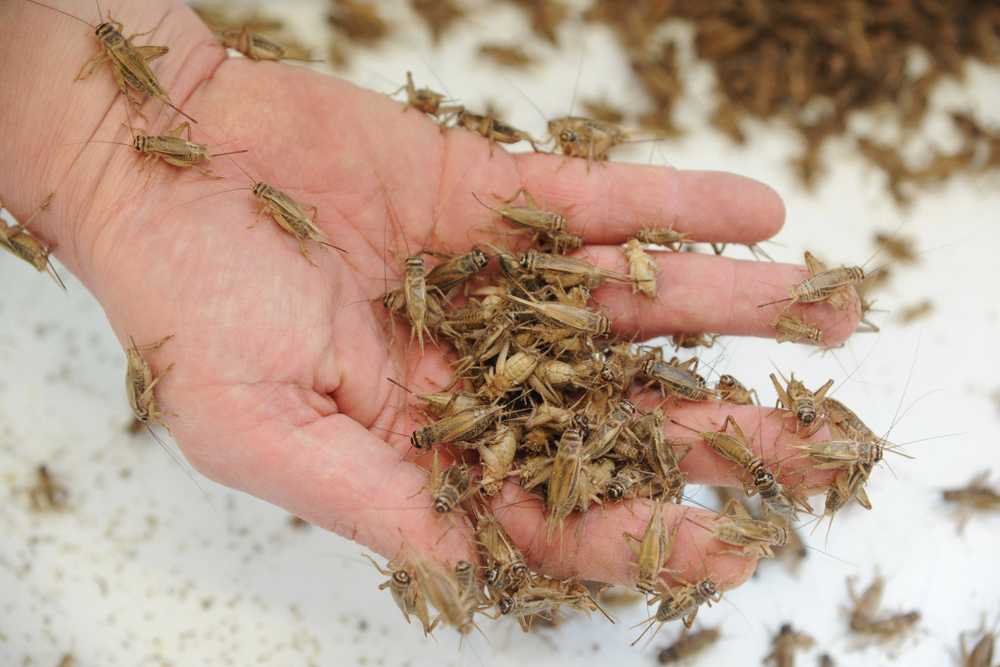
Effective Ways to Manage Crickets in House
Dealing with Crickets in the house can be frustrating. Why do they come inside? How can you identify them and know if you have an infestation? This article covers why crickets invade homes, how to spot the signs, and effective ways to get rid of Crickets in the house.
- Crickets invade homes for food, moisture, and shelter, especially in dark, warm areas like basements and kitchens.
- House crickets, field crickets, and camel crickets are the common types found indoors, and each has unique characteristics that can help identify them.
- To manage crickets, use sticky traps, apply diatomaceous earth, and seal entry points to prevent future infestations.
Why Do Crickets Enter Homes?
Crickets are drawn to areas with ample food, moisture, and shelter. Moist environments, such as leaky pipes and humid spaces, entice crickets indoors. House crickets predominantly enter homes looking for moisture, especially during dry seasons when outdoor conditions aren’t ideal. Additionally, heavy outdoor lighting can attract crickets, guiding them straight to your doorstep and into your home.
These insects seek refuge in dark warm places to escape predators and harsh weather. Once inside, they find places like basements, garages, and kitchens particularly inviting. Crickets are nocturnal creatures, so they often go unnoticed until they make their presence known with their loud chirping sounds.
Identifying Different Types of House Crickets
Not all crickets are the same. The three most common types that invade homes are house crickets, field crickets, and camel crickets. Each type has unique characteristics and preferences, making it important to identify which kind you’re dealing with to tackle the problem effectively.
House Crickets
House crickets, often light yellowish-brown in color, are common pests that typically measure between 3/4 to 1 inch in size. These crickets are known for their loud chirping noise, which male crickets produce to attract females. This calling song is usually heard at night, making it hard to ignore their presence.
House crickets thrive in warm, moist areas, often hiding in basements, garages, and kitchens. They are generally active indoors at dusk, increasing their chances of being heard. While they are considered pests, they are generally harmless to humans but can cause damage to fabrics and paper products if left unchecked. This is where house crickets live.
Hearing their characteristic chirping sound or spotting these tan-colored insects in your home suggests a developing house cricket infestation. Early intervention can prevent larger numbers from establishing residence in your home.
Field Crickets
Field crickets are typically dark brown to black and can be recognized by their rounded wings. These crickets tend to enter homes during warm weather months when outdoor conditions become less hospitable. Like house crickets, male field crickets produce a loud chirping noise to attract females, adding to the cacophony of sounds they generate.
While field crickets are larger than house crickets, they share similar behaviors, such as seeking refuge in warm, dark areas indoors. Their presence can be just as disruptive, with the potential to cause damage to fabrics and paper products if they establish a foothold inside.
Camel Crickets
Camel crickets, also known as spider crickets, have a distinctive humped-back appearance and lack wings. These crickets prefer moist environments and are often found in basements, crawl spaces, and other damp areas of the home. Unlike their chirping relatives, camel crickets are silent, which can make their presence less obvious but no less concerning.
These nocturnal insects are active at night and are known for their jumping ability, which can startle homeowners. Camel crickets are generally harmless to humans but can become a nuisance if they invade in large numbers. Recognizing their unique appearance is key to addressing a camel cricket issue effectively.
Signs of a Cricket Infestation
One of the most obvious signs of a cricket infestation is the incessant chirping noise, especially at night. Male crickets produce this sound to attract females, and if you hear a continuous chorus, it might indicate a growing cricket population. Crickets are also attracted to light, so sightings around light sources can be a red flag for an infestation.
Damaged fabrics and furniture are another telltale sign. Crickets feed on various materials, leaving irregular holes and causing significant damage if left unchecked. They often hide around trash bins and upholstered furniture, thriving in cluttered environments. Noticing these signs indicates the need to take action to prevent a full-blown infestation.
Where Crickets Hide Indoors
Crickets often hide in small, dark places inside homes, making their presence harder to detect. Common hiding spots include under appliances and behind cabinets in bathrooms and kitchens, where they can remain concealed and undisturbed. Camel crickets, in particular, prefer moist areas like pipes, under A/C units, and inside sheds.
Sightings of live crickets in areas like basements and kitchens, along with small, dark droppings, can confirm an infestation. Sticky traps around garages and other potential entry points help capture crickets and reveal the extent of the problem.
How to Get Rid of Crickets in Your House
Eliminating crickets involves a mix of DIY methods and professional pest control services. Using diatomaceous earth, a natural pest control that dehydrates and kills crickets, is effective. Another strategy is placing sticky traps to capture crickets as they move about your home.
Sealing entry points prevents crickets from entering your home. Combining these methods effectively manages and eliminates a cricket infestation. The following subsections detail each approach.
Using Sticky Traps
Sticky traps are a simple yet effective measure to capture crickets. Place these traps near doorways, windows, and any potential entry points. Position the traps in dark, warm areas, as these are preferred habitats for crickets.
Regularly check and replace the sticky traps to maintain their effectiveness. Rearrange traps periodically to optimize placement and capture rates. While sticky traps might not capture every cricket, they can significantly reduce their numbers and reveal their hiding spots.
Applying Diatomaceous Earth
Diatomaceous earth, made from fossilized algae, is effective against crickets. Use a dust applicator to create a fine layer on surfaces, focusing around baseboards and in dark, damp areas where crickets are likely to hide.
Apply diatomaceous earth evenly to avoid clumping, which can reduce its effectiveness. This method works by causing dehydration in crickets, leading to their demise. Place it in areas where it will not affect kids and pets for safety.
Sealing Entry Points
Sealing entry points prevents crickets from entering your home. Inspect and seal cracks and gaps using caulk or weatherstripping around windows, doors, and other potential entry points.
Sealing these entry points significantly reduces the likelihood of crickets finding their way inside. This proactive approach also prevents other pests from entering your home.
Preventing Future Infestations
Prevent future infestations by maintaining cleanliness and decluttering your home. Regularly inspect and repair screens, doors, and windows. Seal any cracks or gaps to keep crickets from entering your home.
Keeping gutters clean and maintaining proper drainage significantly reduces moisture levels that attract crickets. Removing clutter around the home reduces potential hiding places, making your home less inviting for these pests.
Change Outdoor Lighting
Crickets are attracted to outdoor lighting, which can lead to infestations indoors. Using yellow outdoor lighting minimizes their attraction, as they are less drawn to these lights. This simple change can significantly decrease cricket attraction compared to white lights.
Incorporating yellow outdoor lights is a practical approach to manage cricket attraction. This simple change reduces the likelihood of crickets being drawn to your home and finding their way inside.
Keep Vegetation Trimmed
Regularly trimming bushes and grass around your home eliminates potential cricket nesting sites and discourages their presence. This regular maintenance makes your home less appealing to crickets.
Ensuring a gap of at least 12-18 inches between vegetation and the foundation prevents crickets from nesting near the home. This proactive measure also enhances the overall appearance and maintenance of your property.
Dealing with crickets in your home can be a challenge, but understanding why they enter, how to identify different types, and recognizing the signs of an infestation can help you manage the problem effectively. By using methods like sticky traps, diatomaceous earth, and sealing entry points, you can get rid of crickets and prevent future infestations.
Maintaining a clean and clutter-free home, changing outdoor lighting, and keeping vegetation trimmed are essential steps in keeping crickets at bay. For professional assistance, consider contacting a professional to ensure your home remains cricket-free.
Frequently Asked Questions
Why are crickets attracted to my home?
Crickets love hanging around your home because of moisture, food, and cozy spots to hide. Plus, those bright outdoor lights are like a welcome mat for them!
How can I identify a house cricket?
You can spot house crickets by their light yellowish-brown color and the loud chirping they make, especially at night. If you hear that sound, chances are they’re nearby!
What are some signs of a cricket infestation?
If you hear loud chirping, notice damage to fabrics, or spot crickets near trash bins and clutter, you might have an infestation on your hands. Keep an eye out for these signs!
How can I prevent crickets from entering my home?
To keep crickets out of your home, seal any entry points, switch your outdoor lights to yellow, and trim back any vegetation near your place. It’s an easy way to make your home less inviting for them!
What should I do if I have a cricket infestation?
If you’ve got crickets invading your space, try using sticky traps and diatomaceous earth, plus seal any entry points to keep them out. If that doesn’t work, don’t hesitate to call a pest control service for a pro solution.