Where Do Cockroaches Live? Common Hiding Places
Discover where cockroaches live and hide in your home. Learn how to spot infestations early and keep these pests out for good.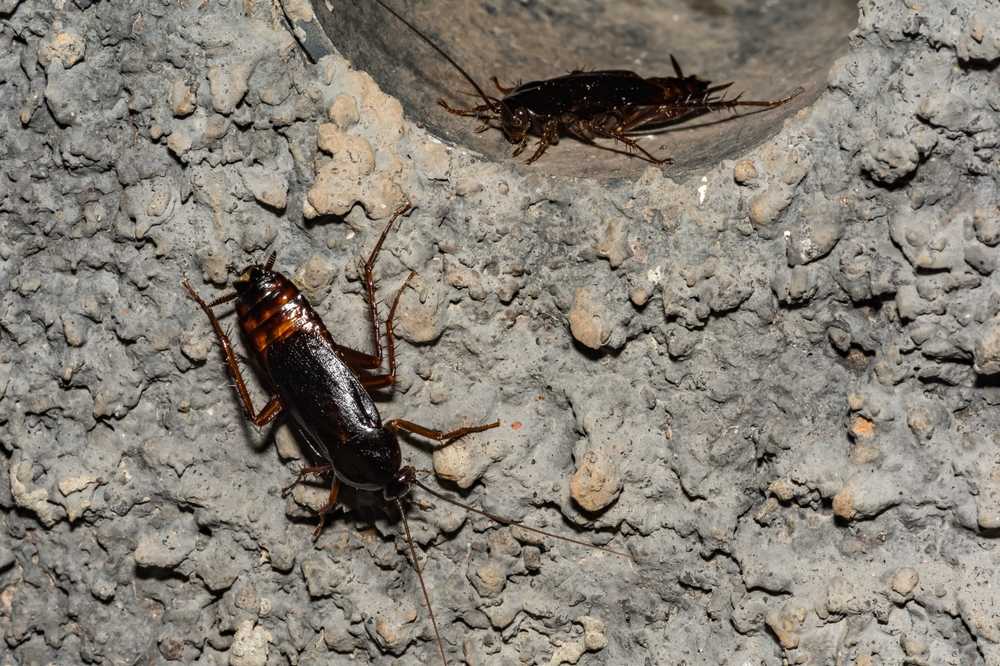
Where Do Cockroaches Live? Identifying Common Hiding Spots & Prevention Tips
Cockroaches live in places that offer food, warmth, moisture, and shelter. In homes, they are commonly found in kitchens, bathrooms, basements, and laundry rooms. If you’re wondering where do cockroaches live, you’ll find they prefer dark and hidden areas, making them difficult to see and eliminate. This article will discuss the common hiding spots of cockroaches and provide tips on how to prevent infestations.
Common Hiding Places
Cockroaches have a knack for making themselves at home in the darkest and most cramped spaces of your house. These pests are commonly found in kitchens, bathrooms, and basements, exploiting every nook and cranny they can find. Their preference for dark places, small cracks, and crevices makes them difficult to detect and even harder to evict.
Kitchens
Kitchens are prime real estate for cockroaches due to the abundance of food and water. These pests thrive in warm areas, often hiding under sinks, behind appliances like refrigerators and dishwashers, and inside kitchen cabinets. The constant availability of food sources, from crumbs on the floor to dirty dishes in the sink, makes kitchens a haven for roaches.
Properly storing food and maintaining cleanliness can help deter these unwelcome guests, including unusual insects found in Arizona.
Bathrooms
Bathrooms are another favorite spot for cockroaches, thanks to the warm and damp environments they offer. These pests commonly hide under sinks, behind toilets, and near plumbing fixtures.
Moisture and warmth create an ideal habitat, so regular cleaning and maintenance are key to preventing infestations.
Basements and Laundry Rooms
Basements and laundry rooms, with their warm and humid conditions, are also attractive to cockroaches. These areas provide the perfect environment for cockroaches to thrive, increasing the risk of a significant infestation.
Cockroach presence in these areas often signals the need for immediate action to control the infestation before it spreads.
Why Cockroaches Prefer Certain Areas
Cockroaches are not random in their choice of habitats. They are driven by the need for food, warmth, moisture, and shelter, which can attract cockroaches. Understanding these preferences can help identify and prevent infestations.
They typically inhabit areas with food crumbs, warmth, and moisture, such as behind appliances and in cabinets. They also use pipes as travel routes, which provide dark, moist environments suitable for their survival.
Food Sources
Cockroaches are particularly attracted to sugary and starchy foods, which often leads them into homes. They can contaminate food, leading to foodborne illnesses. Using airtight containers and avoiding leaving pet food out overnight can significantly reduce exposure to these pests.
Properly storing food and avoiding leaving it out can prevent cockroaches from finding easy meals in your home.
Warmth and Moisture
Cockroaches need warmth and moisture, which is why they are often found in kitchens and bathrooms. These areas provide the humid conditions that cockroaches thrive in, making them ideal habitats for these pests.
Checking for leaks regularly and maintaining dry conditions can deter cockroaches from settling in these areas.
Shelter
Cockroaches seek refuge in concealed and undisturbed areas to stay safe from predators. They can enter homes through gaps around windows and doors, making regular maintenance of external walls and replacement of worn weather stripping crucial. The German cockroach is particularly adept at finding these hiding spots.
Sealing gaps and cracks prevents cockroaches from finding shelter in your home.
Signs of Infestation
Early identification of cockroach infestation signs helps prevent bigger problems and reduces health risks. Common indicators include seeing live or dead cockroaches, finding droppings, noticing shed skins, and discovering egg cases. Regularly checking sticky traps can also help you gauge how active the infestation is and whether it’s getting worse.
Shed skins and egg cases are strong clues that roaches are reproducing nearby. Egg cases are usually dark and vary in size depending on the species, and you’ll often find them in hidden areas like cracks, cabinet corners, behind appliances, and other tight spaces. A strong, musty odor can also signal a larger population, since roaches produce unpleasant smells that become more noticeable as activity increases.
Finally, visible cockroaches during the day often indicate a heavier infestation. Roaches typically hide in small crevices during daylight hours, so daytime sightings usually mean their hiding areas are overcrowded or disturbed. If you notice these signs, it’s a good idea to take action quickly to prevent the problem from spreading.
Preventing Infestations
Preventing cockroach infestations involves maintaining cleanliness, storing food properly, and sealing entry points. Regular cleaning, using sealed food containers, and caulking crevices can effectively keep cockroaches at bay. Professional services are advisable for severe infestations or complex cockroach issues.
Maintain Cleanliness
- Keep kitchens and eating areas clean to reduce food and moisture sources.
- Vacuum and wipe down surfaces regularly, especially under appliances and along baseboards.
- Avoid leaving dirty dishes out, especially overnight.
Store Food Properly
- Store pantry items and pet food in sealed, airtight containers.
- Clean up crumbs and spills promptly, since roaches are attracted to even small food residues.
- Avoid leaving food out overnight whenever possible.
Seal Entry Points
- Fix leaky faucets and address moisture issues to make the home less attractive to roaches.
- Seal gaps and cracks around walls, floors, baseboards, and cabinets with caulk.
- Check around plumbing, water and waste pipes, and electrical cables for openings and seal them.
Effective Cockroach Control Methods
Managing a cockroach infestation usually takes a combination of monitoring, targeted treatments, and strong sanitation. DIY tools like traps and baits can help reduce activity, especially in mild infestations, but professional pest control is often the most reliable option for severe or recurring problems.
DIY Methods
Sticky traps help spot where roaches are active and track whether conditions are improving. Place them along baseboards, under sinks, behind appliances, and near other suspected hiding areas. While traps can catch some roaches and provide useful monitoring, they work best as a support tool alongside baits and prevention steps, not as a stand-alone solution.
Professional Pest Control
If you’re seeing frequent roach activity, noticing signs like droppings or egg cases, or the problem persists despite DIY efforts, professional pest control can help. A technician can identify the species, locate nesting areas, and apply targeted treatments that reach hidden harborage. Professional service also helps reduce re-infestation by addressing entry points, moisture issues, and other conditions that keep roaches coming back.
Frequently Asked Questions
Where are cockroaches most commonly found in a house?
Cockroaches are typically found in kitchens, bathrooms, and basements because these areas provide easy access to food, water, and shelter. Maintaining cleanliness in these spaces is crucial to preventing infestations.
What are the signs of a cockroach infestation?
The presence of visible cockroaches, droppings, shed skins, egg cases, and unpleasant odors clearly indicate a cockroach infestation. Taking immediate action is crucial to prevent further issues.
How can I prevent cockroach infestations?
To effectively prevent cockroach infestations, keep your home clean, store food in airtight containers, and seal any gaps or cracks in walls and floors. These measures create an unwelcoming environment for pests.
Are DIY methods effective in controlling cockroach infestations?
DIY methods may offer some assistance in managing cockroach infestations, but for severe cases, professional pest control services are essential for effective eradication.
What health risks do cockroaches pose?
Cockroaches pose significant health risks by contaminating food, which can result in food poisoning, and by releasing allergens that may trigger allergies and exacerbate asthma symptoms. It’s crucial to address any infestations promptly to protect your health.