How to Get Rid of Bed Bugs: Safe, Effective Treatment Options
Discover simple and effective bed bug pest control tips to protect your home. Get rid of bed bugs quickly and enjoy a peaceful night’s sleep.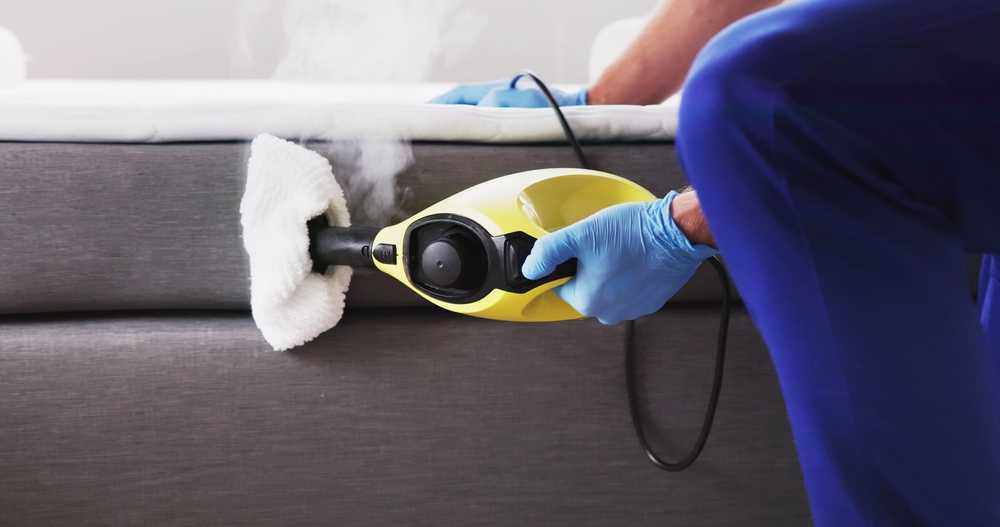
Effective Bed Bug Pest Control Methods
Struggling with bed bugs? This guide covers effective bed bug pest control methods, from spotting early signs to choosing professional help.
Understanding Bed Bugs
Bed bugs are small, reddish-brown insects that feed on the blood of humans and animals. They are attracted to carbon dioxide, body heat, and human scent, which is why they are often found in sleeping areas. Mistaking them for other insects, such as fleas and ticks, is common, but accurate identification is crucial because each pest requires different treatment methods. About bed bugs, they are not limited to dirty or unkempt places; they can be found in luxury hotels and resorts, making awareness of their presence in various environments essential.
While bed bugs are not considered dangerous to most people, their bites can cause significant discomfort and inconvenience. Understanding their behavior and appearance is the first step in effective bed bug pest control and prevention.
What Bed Bugs Look Like
Adult bed bugs are typically 1/4th to 3/16th inch long, flat, and oval-shaped—about the size of an apple seed. They are initially brown but turn reddish after feeding, making them easier to identify. Their flat bodies allow them to hide in tiny cracks and crevices, making detection challenging. Bed bug eggs are tiny, pale yellow, and about 1mm long, often found in clusters in hidden spots.
Identifying bed bugs correctly is key to effective bed bug pest control. Their appearance can vary slightly depending on their feeding status, but their distinct shape and color changes are key identifiers. Regular bed bug inspections can help in early detection and treatment, preventing a full-blown infestation.
Common Hiding Spots
Bed bugs are expert hiders, preferring cracks large enough to hold a credit card, infested furniture, and locations like bed frames and box springs. They are commonly found in single-family homes, apartments, and hotel rooms, making these areas prime targets for thorough inspections.
Being aware of common hiding spots is half the battle. These pests can nest in electrical outlets, behind loose wallpaper, and even in personal items like gym bags. Knowledge of their hiding spots aids in planning effective bed bug pest control treatments and ensuring no infested area is overlooked.
Signs of a Bed Bug Infestation
Early identification of bed bug infestation signs can save you significant trouble. Visible signs include droppings, shed skins, and the bugs themselves, which are often found in various locations, such as homes and hotels. Regular inspections in sleeping areas and hotel rooms can help identify bed bug presence early, preventing larger infestations.
Bed bug bites can serve as another indicator. They are a sign that bed bugs may be present. These typically appear as red, itchy bumps on the arms, hands, and legs, often found in clusters or lines. Spotting these signs early is essential for effective bed bug control.
Visible Evidence
Bed bug excrement appears as small dark spots resembling ink dots and is commonly found around mattress seams, folds, zippers, and furniture sides. Rusty or reddish stains on bedding may indicate that bed bugs have been crushed after feeding, serving as evidence of their presence. Additionally, bed bugs go through several molting stages before becoming adults, and finding multiple exoskeletons is a strong indication of an infestation.
Catching these signs early can greatly reduce the spread and severity of an infestation. Regular inspections of your sleeping areas can prevent an infestation from becoming unmanageable.
Bite Marks
Bed bug bites often appear as red, itchy bumps, sometimes in clusters or lines. These bites are often found on the arms, hands, and legs, areas typically exposed during sleep. However, not everyone reacts to bed bug bites, making it harder to identify an infestation based solely on bite marks.
If no bite marks are present but bed bugs are suspected, look for other signs like excrement spots or shed skins. Combined, these indicators can help confirm the presence of bed bugs and prompt timely bed bug treatments.
DIY Bed Bug Control Methods
DIY methods can effectively tackle a bed bug infestation, especially in the early stages. Regularly treating bed bug hotspots and maintaining cleanliness can significantly reduce the chances of reinfestation. Clutter reduction in homes minimizes potential hiding spots for bed bugs, making it easier to kill bugs and get rid of bed bugs.
Successful DIY treatments require active participation from everyone in the home. From environmental modifications to non-chemical and chemical treatments, there are various methods to eliminate bed bugs.
Environmental Modification
Removing clutter reduces hiding spaces for bed bugs. Bed bugs thrive in cluttered environments where they can easily hide and reproduce. Sealing small cracks and crevices helps eliminate hiding places for bed bugs.
A clean, organized living space deters bed bugs and makes it easier to spot signs of infestation. Regular cleaning and sealing of potential entry points, such as loose wallpaper and electrical outlets, are simple yet effective steps in bed bug pest control.
Non-Chemical Treatments
Heat treatments, steam cleaners, and freezing are effective non-chemical methods to kill bed bugs. Heat treatments kill bed bugs by exposing them to high heat, often at the highest heat setting. Steam cleaners require temperatures of at least 130°F to be effective.
Using food-grade diatomaceous earth is another non-chemical method that helps eliminate bed bug populations by damaging their exoskeletons. These methods are both effective and safe for your home and family. They can be particularly useful for treating bed bug infestations in sensitive areas like children’s rooms or pet spaces.
Chemical Treatments
Chemical treatments provide another option for bed bug pest control. If you need to apply bed bug treatments repeatedly, consider using different pesticides, including insect growth regulators and rubbing alcohol, to enhance effectiveness. Bug bombs may be used cautiously but are often less effective due to limited reach.
These treatments can be highly effective but require careful application to avoid exposure to harmful chemicals when treating bed bugs. Combining chemical and non-chemical methods offers a comprehensive approach to eliminating bed bugs. Always follow the manufacturer’s instructions and consider professional guidance for safe and effective use.
Preventing Future Infestations
Preventing future infestations is just as important as treating current ones. Specially designed encasements on mattresses and box springs can significantly hinder bed bugs. These encasements create a barrier, preventing bed bugs from hiding and accessing these infested areas.
Bed bugs are adept at hiding and often prefer warm, humid environments, which facilitate their reproduction. Bed bugs hide, and professionals provide preventive advice and measures to reduce future infestation risks after addressing the bed bug problem.
Protective Measures
Protective measures can greatly reduce the likelihood of bed bug infestations in your home. Using protective covers on mattresses and box springs creates a barrier that prevents bed bugs from hiding and accessing these areas. When traveling, keeping your luggage off the floor in the hotel room and using plastic bags for infested items reduces the risk of bringing bed bugs home by limiting their access to your belongings.
These protective measures can effectively shield your sleeping areas from potential infestations. Simple steps like these can make a big difference in maintaining a bed bug-free environment.
Bed bug infestations can be a nightmare, but with the right knowledge and tools, you can effectively control and prevent them. From understanding their behavior and hiding spots to implementing DIY methods and seeking professional help, this guide provides comprehensive strategies to tackle bed bugs. Regular inspections and protective measures are key to preventing future infestations.
Frequently Asked Questions
What pest control is best for bed bugs?
The best bed bug pest control involves a combination of natural solutions like the Aprehend® method and professional treatments from established companies like Orkin, which utilize heat treatments and effective insecticides. Consider using pyrethrins or pyrethroid-based products due to their proven effectiveness in controlling these pests.
How do I permanently get rid of bed bugs?
To permanently eliminate bed bugs, it’s essential to wash all fabrics at the highest heat setting, deep clean your mattress, and declutter your home while sealing areas that can’t be cleaned. Additionally, consider hiring a pest management service for effective and long-lasting eradication process.
How can I identify bed bugs?
To identify bed bugs, look for small, reddish-brown insects measuring about 1/4th to 3/16th inch long, which are flat and oval-shaped, and become reddish after feeding. Checking for these physical characteristics will help you confirm their presence.
What are effective DIY bed bug control methods?
Clutter reduction, sealing cracks, heat treatments, steam cleaners, and the use of food grade diatomaceous earth are effective DIY bed bug control methods. If necessary, you may also consider using pesticides as a last resort.