Do Earwigs Crawl Into Ears? What Really Happens
Worried about an earwig in ear? Find out if it’s dangerous, how to spot it, and the safest ways to deal with this creepy concern.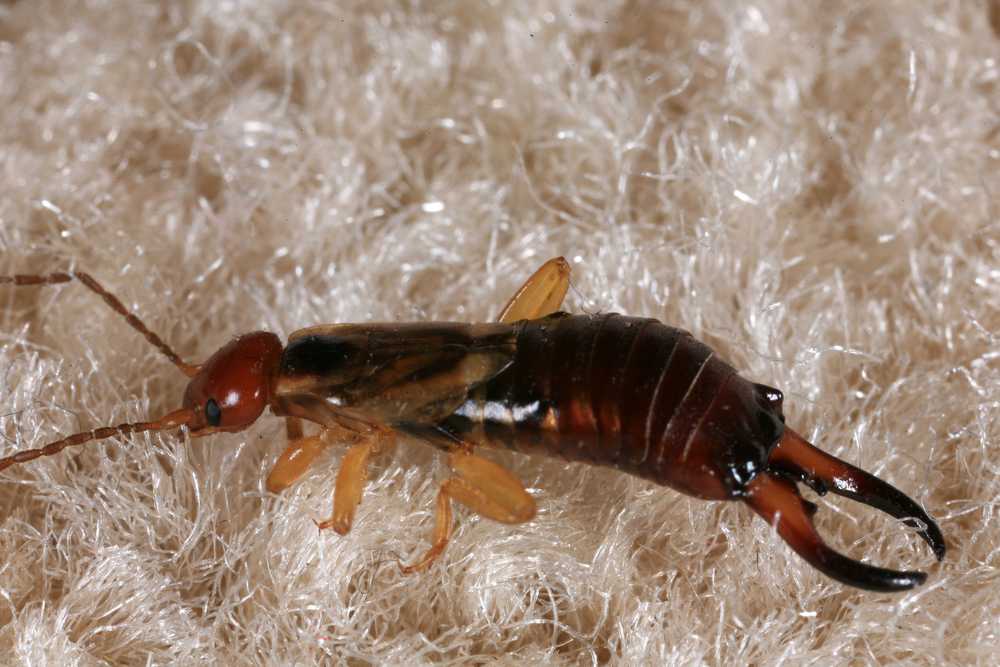
Earwigs in the Ear: Symptoms, Risks, and Remedies
Worried about an earwig in the ear? While alarming, it’s rarely harmful. This article covers symptoms, risks, and remedies to help you handle the situation swiftly and safely.
Understanding the Earwig
Earwigs belong to the insect order Dermaptera and are easily recognized by their distinctive pincers. These insects may look intimidating, but they are generally harmless to humans. The most commonly encountered species in North America is the European earwigs (Forficula auricularia), which is known to occasionally enter human ears.
Despite the scary appearance of their pincers, earwigs do not pose significant health risks. However, understanding their behavior and habitats can help us prevent uncomfortable encounters.
What is an Earwig?
Earwigs are brownish-black insects typically about three-quarters of an inch long. Their most distinguishing feature is the pair of pincers, known as cerci, located at their rear end. These cerci vary between genders: males have curved forceps, while females have straight forceps. Although these pincers might look menacing, they are primarily used for defense, courtship, and competing for mates.
There are around 2,000 species of earwigs globally. This is quite fascinating. While the idea of an earwig crawling into a human ear is unsettling, it’s important to remember that such instances are rare, and the earwig’s intent isn’t to cause harm.
Habitat Preferences of Earwigs
Earwigs prefer living in dark, moist environments. They can often be found under debris, rocks, and in leaf piles where these conditions are met. Their preference for such habitats is why they sometimes end up in basements or other damp areas of homes.
Earwigs thrive in environments that offer both darkness and moisture, including moist and musty places. This is why they are frequently found under rocks or in decomposing leaves. Knowing their preferred habitats helps in keeping our homes earwig-free.
Common Myths About Earwigs
One of the most pervasive myths about earwigs is that they burrow into human brains. This long standing european superstition and widespread ancient superstition stems from their name and folklore rather than factual evidence. Despite their occasional presence in human ears, earwigs do not pose such a dramatic threat.
The probability of a bug crawling into a person’s ear while they sleep is extremely small. However, the idea persists, underscoring the need for public awareness about the real behaviors and risks associated with these insects.
Symptoms of Earwigs in Human Ears
Having an earwig enter the human ear can be a disconcerting experience, often causing severe ear discomfort. Symptoms can vary but generally include pain, buzzing sounds, and visible irritation within the ear canal. Early recognition of these symptoms ensures effective treatment and relief, especially when dealing with an ear creature.
Whether it’s a tingling sensation or a constant tickling feeling, being aware of these signs can help you take the necessary steps to address the issue promptly.
Identifying Ear Symptoms
Common symptoms of an earwig in the ear include severe ear discomfort, a foreign object sensation, and buzzing sounds. These symptoms are often accompanied by pain and visible irritation within the ear canal.
Since earwax plugs can mimic these symptoms, it is important to differentiate between the two. The increased presence of foreign bodies heightens the risk of infections, underscoring the need for medical evaluation.
Differentiating from Other Insects
Earwigs can sometimes be confused with earwax due to their small size and shape. Instances have been recorded where earwigs were misidentified as earwax in patients’ ears.
The presence of earwigs in the ear may lead to inflammation, which can potentially escalate to an infection if not treated. Accurate identification of earwig-specific symptoms is key to prompt and effective treatment.
Risks Associated with Earwigs in the Ear
The presence of an earwig in the ear can lead to discomfort and inflammation. If the insect remains despite attempts to remove it, or if there are indications of an ear infection, medical help is necessary.
Consult a doctor immediately if any symptoms appear. Avoid using cotton swabs to remove an insect from the ear, as this may push it deeper or cause injury.
Physical Damage
Earwigs can pierce the eardrum with their pincers, potentially causing traumatic lesions. While audiometric testing has revealed that normal hearing can be present despite injury, the potential for damage remains. In addition to physical trauma, earwigs can introduce bacteria into the ear, leading to infections.
This underlines the importance of prompt and proper medical attention in such cases.
Infection Risks
Infections can arise from the presence of foreign bodies like earwigs in the ear, leading to serious complications. Early medical intervention can significantly reduce the risk of complications such as ruptured eardrums.
Prompt medical attention is necessary to address potential infections or complications from earwigs in the ear. Always remember that experienced medical professionals are best equipped to handle incidents involving foreign bodies in the ear.
Immediate Actions and Remedies
If you find yourself with an earwig in your ear, it’s essential to remain calm. Attempting to remove the insect yourself can be risky, so if removal is not possible, seek medical help immediately.
Avoid using tweezers or similar objects, as these can push the insect deeper or cause injury. Follow professional medical advice to ensure safe and effective removal.
Safe Removal Techniques
Ear forceps can be used to remove the earwig safely from the ear. Professional intervention often involves utilizing tools like otoscopes for earwig extraction. If an earwig cannot be removed from the ear, it is recommended to consult an ENT specialist.
Avoid using cotton swabs to remove an earwig, as they can push it deeper.
When to See a Doctor
Stay composed and seek medical assistance if self-removal methods fail. Immediate medical attention is necessary if the insect remains despite attempts to remove it.
Professional Pest Control Services
Hiring a professional pest control can provide long-term solutions by targeting the specific nesting areas of earwigs. Engaging pest control services can provide ongoing protection against earwig infestations throughout the year.
Responsibly managed pest control services can minimize the use of harmful chemicals while effectively managing household pests and earwig populations. Expert pest control services provide tailored treatment plans based on the specific needs of the property.
Earwigs, while intimidating, are generally harmless to humans. Recognizing the symptoms of an earwig in the ear, understanding the risks, and knowing how to respond can help mitigate discomfort and potential complications.
Remember, prevention is always better than a cure. By maintaining a dry environment and employing professional pest control services, you can significantly reduce the likelihood of an earwig incident. Stay informed, stay prepared, and protect your ears and home from these nocturnal invaders.
Frequently Asked Questions
What are the symptoms of an earwig in the ear?
If you experience severe ear discomfort, a sensation of a foreign object in your ear, buzzing sounds, or visible irritation in the ear canal, it may indicate the presence of an earwig. It’s advisable to seek medical attention promptly for evaluation and treatment.
How can I safely remove an earwig from my ear?
To safely remove an earwig from your ear, it is best to seek professional medical help instead of attempting to remove it yourself. Using tweezers or cotton swabs may inadvertently push the insect deeper, complicating the situation.
What are the risks associated with having an earwig in the ear?
Having an earwig in the ear can cause physical damage to the eardrum, lead to infections, and result in significant discomfort. Therefore, it’s important to seek medical attention if this occurs.
How can I prevent earwigs from entering my home?
To prevent earwigs from entering your home, maintain a dry environment by fixing leaks, improving drainage, and sealing cracks and gaps around windows and doors. Taking these steps will help create a less inviting space for these pests.
What should I do if I suspect an earwig in my ear?
If you suspect an earwig in your ear, remain calm and seek immediate medical attention if you’re unable to remove it yourself. Professional assistance is crucial to ensure your safety and health.