Do Earwigs Fly? Wings, Movement, and Myths
Find out if earwigs can fly, how they use their wings, and why they rarely take to the air. Learn interesting facts about these insects.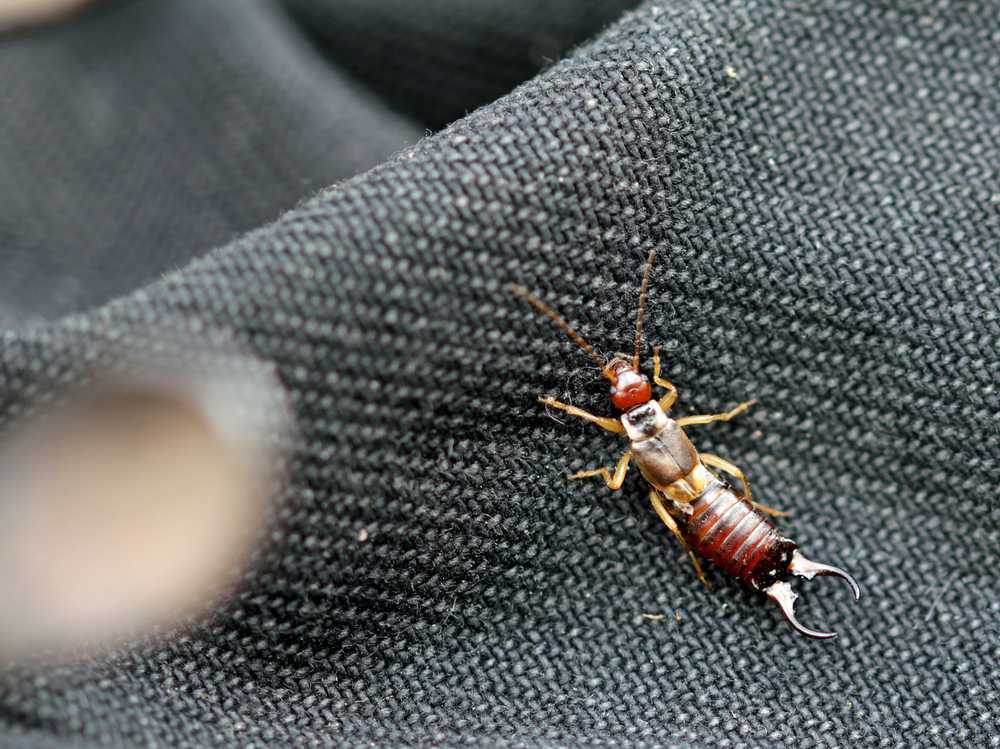
Can Earwigs Fly? Understanding Their Wings and Abilities
Can earwigs fly? Yes, but they seldom take to the air. Despite having wings, earwigs mostly crawl. In this article, we’ll uncover why these insects have wings, how they use them, and what makes their anatomy unique.
- Earwigs possess unique anatomical features, such as flattened bodies, prominent pincers, and long antennae that help them navigate and survive in their habitats.
- While earwigs have wings, they rarely fly, preferring to crawl as their primary mode of movement due to their habitat preferences and lifestyle.
- Earwigs lay eggs in moist, dark environments to protect them from desiccation and predators, which underscores the importance of habitat management for preventing infestations.
Earwig Anatomy: What Makes Them Unique
Earwigs are truly a marvel of nature, distinguished by their elongated bodies and prominent cerci, which resemble pincers. These forceps-like pincers on their abdomen serve multiple purposes, from defense against predators to capturing prey. Their bodies are flattened, allowing them to navigate through narrow crevices and hide effectively from threats. This unique body structure is not just an interesting quirk but a vital adaptation that helps earwigs survive in their preferred habitats.
Another fascinating feature of earwigs is their long antennae. These sensory appendages are critical for detecting food sources and sensing their environment. Whether it’s locating aphids to feast on or avoiding danger, the antennae play a crucial role in their day-to-day activities. Earwigs use these antennae to explore their surroundings, ensuring that they can find food and stay safe from predators.
The combination of their flattened bodies, powerful pincers, and sensitive antennae makes earwigs highly adept at navigating their environment. These adaptations not only enhance their survival but also make them a unique subject of study among insects. Understanding these features sets the stage for a deeper exploration of their wings and flight mechanisms.
Wings and Flight Mechanism
While earwigs possess wings, their primary function isn’t for soaring through the skies. Most earwigs have membranous hindwings folded beneath short forewings, known as elytra. These wings are intricately folded over a dozen times and tucked under the elytra, similar to an origami fan or parasol. The structure allows earwigs to switch between stable configurations, thanks to the unique spring-like folding mechanism. This design is both an engineering marvel and a survival tool.
When earwigs do decide to fly, it is often in short bursts rather than sustained flights. They prepare for flight by moving their forewings to the side and unfolding their wings for flight. The wings can expand to more than ten times their folded size during flight. This sudden expansion is facilitated by muscular structures and hydrostatic pressure that move the wings in waves. Interestingly, the wings can lock into place without muscle movement, thanks to curved folds that stabilize them.
Despite their ability to fly, earwigs often prefer to crawl. Their natural habitats are full of cracks, crevices, and ground cover, making crawling a more practical mode of movement. Flying earwigs are a rare sight, primarily because their flight is not as efficient or necessary for their survival. Instead, they rely on their legs to crawl and hide, often coming out at night to feed or escape predators.
Do All Earwigs Fly?
Not all earwigs fly, and even those that can, rarely do so. While most species of earwigs possess wings, their use is limited. You might be surprised to learn that many earwigs may never fly a single time in their entire lives. The reason for this lies in their natural habitat preferences. Earwigs thrive in moist, sheltered areas where crawling is more practical than flying.
The flight capability of earwigs is minimal, and they often rely on crawling for movement. This behavior is driven by their need to stay close to the ground, where they can easily find food and hide from predators. Crawling also allows them to navigate the complex terrain of their habitats, such as decaying vegetation and soil. This preference for crawling over flying is a strategic adaptation that helps them rid themselves of potential threats and enhances their survival.
It’s fascinating to see how earwigs have evolved to prioritize crawling despite having the anatomical capability to fly. This preference underscores the importance of understanding their behavior and habitats when considering how to manage or prevent infestations in homes and gardens.
Why Earwigs Lay Eggs in Moist Areas
Earwigs have a strong preference for laying their eggs in moist areas. This behavior is not just a matter of preference but a critical survival strategy. They typically lay their eggs in rich soil, providing a protective environment for the nymphs. The moist conditions help guard the eggs from desiccation and other potentially harmful environmental factors. Such environments ensure the young earwigs have the best chance of survival.
Moist, dark environments also reduce exposure to predators such as birds and other insects. The safety provided by these conditions allows the eggs to develop without the constant threat of being eaten. Domestic earwigs, in particular, prefer moist, wet soil areas with vegetation for laying their eggs, rather than relying on flight for reproduction. This choice of habitat plays a crucial role in the reproductive success of earwigs.
Understanding why earwigs lay eggs in moist areas can help homeowners manage potential infestations more effectively. Keeping areas dry and free of decaying vegetation makes your home less attractive to these creepy yet fascinating insects.
Common Myths About Earwigs
One of the most persistent myths about earwigs is that they crawl into human ears to lay their eggs. This belief is entirely unfounded and has caused unnecessary fear of these harmless little bugs. Earwigs do not seek out human ears and certainly don’t lay eggs in them. Instead, they prefer moist, dark environments that offer protection and food sources. They are completely harmless to humans.
Debunking this myth is essential for understanding the true nature of earwigs. These insects are more interested in feasting on decaying vegetation and small prey like aphids than bothering humans. Clearing up these misconceptions allows us to appreciate the role earwigs play in the ecosystem and focus on practical management solutions.
How to Prevent Earwig Infestation
Preventing earwig infestations requires a combination of practical measures and an understanding of their behavior. One effective method is setting up traps, such as shallow cans filled with oil, near shrubbery to capture and reduce earwig populations. Another strategy is covering the trunks of fruit trees with sticky substances to prevent earwigs from climbing and accessing ripening fruits.
Maintaining a clean and dry environment is crucial since earwigs prefer dark, confined spaces. Regularly cleaning up decaying vegetation and ensuring proper drainage around your garden can significantly reduce the chances of an earwig infestation. While earwigs are primarily a threat to plants, taking these preventive measures can protect both your garden and home.
If an earwig infestation becomes persistent, it may be time to seek professional pest control services. Professionals can identify the root causes of the infestation and implement integrated pest management strategies for long-term solutions. This approach not only addresses the immediate problem but also helps prevent future infestations.
Professional Help for Earwig Problems
When earwigs have established themselves in your home or garden, professional help can be invaluable. Professionals offers residential pest control services that effectively address earwig problems without disrupting daily life. If you have found baby scorpions in your home, their expertise ensures that the infestation is dealt with thoroughly and efficiently.
Earwigs are fascinating insects with unique anatomical features and behaviors. While they possess wings, they rarely use them for flight, preferring to crawl through their moist and sheltered habitats. Understanding these characteristics can help in managing and preventing earwig infestations effectively.
If you find yourself dealing with a serious earwig problem, professional pest control services can provide the expertise and solutions needed. Don’t let these little bugs get the best of you; take action to protect your home and garden.
Frequently Asked Questions
Can earwigs fly?
Earwigs can fly, but they seldom do, as they prefer to crawl in their typical environments.
Why do earwigs lay eggs in moist areas?
Earwigs lay eggs in moist areas primarily to prevent drying out and to shield them from predators, which increases the chances of survival for their offspring.
Are earwigs harmful to humans?
Earwigs are harmless to humans and do not pose any risk. The belief that they crawl into ears is a myth.
How can I prevent earwig infestations in my garden?
To prevent earwig infestations in your garden, set up traps, maintain a clean and dry environment, and apply sticky substances on fruit tree trunks. Taking these measures will significantly reduce the likelihood of an infestation.
When should I seek professional help for earwig problems?
You should seek professional help for earwig problems if the infestation is persistent or severe, as they can offer effective and long-term solutions.