Desert Hairy Scorpion: Key Facts & Habitat
Discover the desert hairy scorpion, its size, habitat, and behavior. Learn safety tips and interesting facts about this large desert species.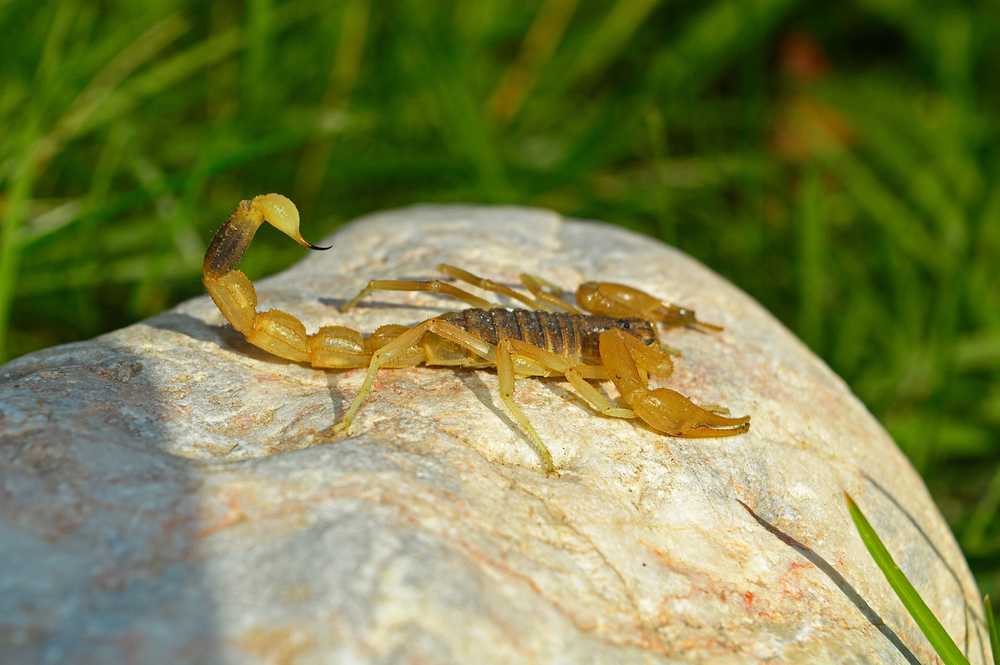
Ultimate Guide to Desert Hairy Scorpion Care
Curious about the desert hairy scorpion? This comprehensive guide covers everything you need to know about this fascinating burrowing scorpion, also known as Hadrurus arizonensis, a species found in the western two-thirds of the southwestern United States and northern Mexico. From its natural habitat and physical traits to its behavior and care needs, we delve into all aspects of this great species.
Habitat and Distribution
Desert hairy scorpions, particularly the giant desert hairy scorpion, are large found arachnids adapted to survive in the Sonoran and Mojave desert regions. These warm desert species are specially adapted to hot and dry conditions in low elevation valleys and washes. Their species range flanks the Gulf of California in Sonora and Baja California Norte, highlighting their adaptability to extreme southwestern environments.
Natural Habitat
These desert scorpions are commonly found under rocks that retain moisture, using the substrate of sand, straight sand, and excavator clay mixed with coco fiber to dig elaborate burrows. The brown hairs covering their bodies help detect vibration in the soil, alerting them to prey or predators. Their burrowing behavior allows them to avoid the heat of the day and emerge at night to hunt. To learn more about the behavior and characteristics of scorpions, particularly baby scorpions, visit this resource.
Geographic Range
Hadrurus arizonensis inhabits the western two-thirds of Arizona, parts of California, Nevada, southern Utah, and northern Mexico. This species range flanks several desert regions, including the Mojave Desert and Colorado Desert, making it a key species in these ecosystems.
Physical Characteristics
The Arizona desert hairy scorpion is the largest scorpion in North America, reaching lengths of up to 7 inches. Its dark top and light tan to brown coloration, combined with distinctive brown hairs, make it easily recognizable.
Size and Coloration
This large found scorpion exhibits sexual dimorphism: males tend to have larger pincers, while females tend to have stockier bodies. Their brown hairs are not only a unique feature but also serves to detect vibration, enhancing their hunting and defensive capabilities.
Unique Features
Besides their size and coloration, desert hairy scorpions are known for their ability to dig elaborate burrows, avoiding the “pet hole” problem common in captivity when substrates collapse. Their strong pincers and active nocturnal behavior make them a great species for enthusiasts.
Behavior and Diet
As a burrowing scorpion, desert hairys prefer substrates that support stable tunnels, such as a mix of sand, excavator clay, and coco fiber. They dig deep burrows up to 2.5 meters, which protect them from predators and extreme heat.
Feeding Preferences
Their diet consists primarily of large insects, spiders, and small vertebrates. In captivity, feeding medium to large crickets, mealworms, and roaches mimics their natural diet. Providing a water dish and maintaining proper humidity levels, especially in one corner of the enclosure, supports their health.
Venom and Toxicity
The venom of the desert hairy scorpion is commonly perceived as mild, comparable to a honeybee sting. While it can cause localized pain and swelling, it is not dangerous to humans unless allergic reactions occur.
Reproduction and Lifespan
Females give birth to live young, which climb onto the mother’s back until ready to fend for themselves. Lifespan in captivity can reach up to 25 years, significantly longer than their wild counterparts.
Keeping Desert Hairy Scorpions as Pets
Enclosure Setup
A 10-gallon enclosure with a secure lid is recommended. Use a substrate mix of sand, excavator clay, and coco fiber to facilitate burrowing and prevent pet holes. Maintain temperatures between 75°F and 80°F using heat lamps or under-tank heaters, regulated with a thermostat. Adding a black light can enhance viewing.
Care Requirements
Maintain low humidity to prevent fungal infections, as desert hairys are sensitive to moisture. Feed adults medium to large crickets weekly, adjusting based on body condition. Provide a shallow water dish and mist one corner lightly during molting periods.
Desert hairy scorpions are an active, fascinating animal species adapted to some of the harshest desert environments. Their unique physical traits, burrowing habits, and manageable venom make them a popular pet scorpion species. Understanding their natural habitat, behavior, and care requirements ensures a rewarding experience for enthusiasts.
Frequently Asked Questions
Where are desert hairy scorpions commonly found?
They are commonly found in the Sonoran and Mojave deserts, as well as parts of northern Mexico, inhabiting the western two thirds of the southwestern United States.
How potent is the venom of a desert hairy scorpion?
Their venom is commonly perceived as mild, similar to a honeybee sting, and generally not dangerous to humans.
What does the diet of a desert hairy scorpion consist of?
Their diet consists of large insects, spiders, and small vertebrates, both in the wild and captivity.
How long can desert hairy scorpions live?
They can live 7 to 10 years in the wild and up to 25 years in captivity.
What is the best substrate for a desert hairy scorpion’s enclosure?
A mix of sand, excavator clay, and coco fiber is ideal to support their burrowing behavior and prevent pet holes.