Tarantula Poison: Risks, Myths & Safety Facts
Worried about tarantula poison? Learn the truth about their venom, its effects on humans, and safety tips to avoid dangerous encounters.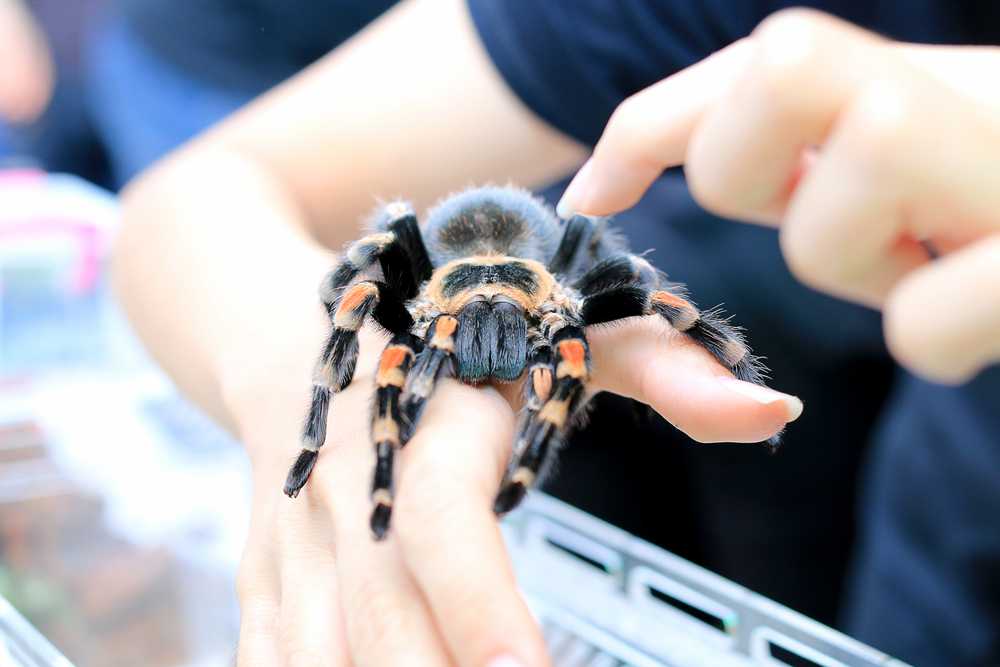
The Truth About Tarantula Poison: How Dangerous Is It?
How dangerous is tarantula poison to humans? While it might sound frightening, tarantula venom is primarily designed to subdue their prey and is rarely harmful to us. This article delves into what tarantula venom is, how it affects humans, and what to do if bitten.
- Tarantula venom is primarily used for subduing and digesting prey, rather than for self-defense, and is not classified as poison.
- Most tarantula bites result in mild symptoms such as pain and swelling, but severe allergic reactions may require immediate medical attention.
- Old World tarantulas possess stronger venom than New World tarantulas, necessitating different precautions when handling them.
Understanding Tarantula Venom
Tarantulas, unlike what many believe, are not considered poisonous when ingested. Their venom:
- Is produced in specialized glands
- Is released when they bite or sting
- Is a complex mixture of enzymes and nucleotides
- Is primarily used to aid in the digestion of their prey
The fangs of tarantulas are hollow, allowing them to inject this venom effectively into their prey.
Interestingly, tarantulas use their venom more for feeding than for self-defense. This distinction is crucial as it highlights the difference between venom and poison. While venom must be injected to take effect, poison is harmful when ingested or touched. Understanding this difference helps to clarify the role of tarantula venom in their behavior.
In essence, tarantula venom is not meant to harm humans but to subdue and digest prey. This knowledge demystifies the fear surrounding tarantulas and their venom, showcasing that their primary intention is survival, not aggression.
How Tarantula Venom Affects Humans
When humans are bitten by a tarantula, the effects are typically mild. The bite can cause localized pain and redness, much like a bee sting or a wasp sting. Some individuals might experience heavy itching and swelling, particularly if they are allergic to the venom. In rare cases, severe allergic reactions can occur, leading to symptoms such as difficulty breathing and low blood pressure. Additionally, people bitten by a tarantula may experience varying degrees of discomfort. Scorpion stings can also lead to similar reactions in some individuals.
For most people, the symptoms of a tarantula bite are manageable and resolve within a week. The itching and swelling can be uncomfortable, but they are generally not life-threatening. It’s important to remain calm and treat the symptoms as they arise.
The key to minimizing the impact of a tarantula bite is understanding its effects and knowing how to respond. Being informed can make a significant difference in handling these situations effectively.
Comparing Old World and New World Tarantulas
Tarantulas are divided into two main groups: Old World and New World tarantulas. Old World tarantulas, including the european tarantula, are found in parts of Africa, Asia, and Europe, while New World tarantulas are native to South America and the Americas. This geographical distinction plays a significant role in their behavior and venom potency, with various tarantulas found across these regions.
Old World tarantulas possess much stronger venom compared to their New World counterparts. This increased potency means that a bite from an Old World tarantula can cause severe pain and more significant medical issues in humans. Additionally, Old World tarantulas lack urticating hairs, which are tiny, irritating hairs used by New World tarantulas as a defense mechanism.
New World tarantulas, other spiders and other organisms on the other hand, often rely on their urticating hairs as a primary means of defense rather than their venom. These hairs can cause irritation but are generally less harmful than the venom of Old World tarantulas. Despite their milder venom, some New World tarantula species from the family theraphosidae can be surprisingly quick, contradicting the common perception of them being slow. This diversity among world species highlights the fascinating adaptations within the tarantula family.
Understanding these differences is crucial for anyone who handles tarantulas, whether as pets or in the wild, including knowledge about certain species and the same species. It allows for better preparation and safer interactions with these fascinating creatures.
Symptoms of a Tarantula Bite
The immediate symptoms of a tarantula bite can vary but commonly include pruritus (itching), swelling, and mild to severe pain. The bite site often feels warm and appears red, mimicking the sensation of a bee sting. A tarantula bite and a spider bite can cause pain that endures for several hours. This discomfort can vary in intensity.
These symptoms typically last from a few hours to a few days. However, if the bite site becomes increasingly swollen or pus is present, it may indicate an infection rather than a simple tarantula bite. Most tarantula bites result in minor injuries, but the itching can persist for up to three weeks.
Being aware of these symptoms helps in differentiating between a standard reaction and one that might require medical attention, including systemic reactions, skin reactions, and symptomatic treatment. Prompt and proper care can mitigate the discomfort and prevent complications.
Dealing with Urticating Hairs
New World tarantulas deploy urticating hairs as a primary defense instead of relying on their venom. These hairs have the following characteristics and behaviors:
- They are tiny hairs, spiny hairs located on the abdomen.
- They can pierce human skin, causing significant irritation.
- When threatened, tarantulas release these tarantula hairs into the air using their legs. Theraphosid spiders also exhibit similar defensive behaviors.
The irritation caused by urticating hairs can range from mild itching to severe discomfort, including swelling and pain. Different tarantula species produce hairs that cause varying degrees of irritation. Immediate washing of the skin after contact can help reduce discomfort.
Preventive measures, such as wearing gloves and long sleeves, can minimize the risk of coming into contact with urticating hairs and contact dermatitis. If contact occurs, using sticky tape to remove the hairs stuck and cleaning the affected area thoroughly can alleviate the symptoms.
First Aid for Tarantula Bites
If bitten by a tarantula, follow these steps:
- Remain calm and secure the tarantula in a safe place.
- Wash the bite area thoroughly with soap and water to help prevent infection.
- Apply an antibacterial ointment like Neosporin to further reduce the risk of infection.
Recommended care for a bite wound includes:
- Changing the bandage at least twice daily until healing occurs.
- Applying ice to the bite site to reduce pain and swelling by placing ice wrapped in a clean cloth on the site for 10 minutes on, then 10 minutes off.
- Using over-the-counter pain relievers and anti-inflammatory medications to help manage the symptoms.
These first aid steps can make a significant difference in recovery and comfort after a tarantula bite. Proper care can prevent complications and promote faster healing.
When to Seek Medical Attention
While most tarantula bites result in minor injuries, there are instances where medical attention is necessary. Severe allergic reactions can lead to:
- Breathing difficulties
- Low blood pressure
- Eyelid swelling
- Rapid heart rate
These symptoms require immediate medical assistance.
If a person experiences increased redness or swelling after a tarantula bite, consulting a healthcare provider is advisable. Monitoring vital signs such as temperature and blood pressure is standard procedure in the emergency department for suspected tarantula bites.
In cases of tarantula hair exposure, ongoing irritation can lead to serious eye conditions if not addressed. Contacting poison control centers or your local poison control center can guide for both emergencies and non-urgent inquiries regarding tarantula spider toxicity.
Preventing Tarantula-Related Injuries
Preventing tarantula-related injuries involves understanding the specific behavior of different tarantula species and taking necessary precautions. Wearing eye protection, long sleeves, and gloves can significantly reduce the risk of injury when handling tarantulas dangerous.
Handling tarantulas safely involves:
- Handling them over a secure surface.
- Respecting their comfort levels during interactions.
- Using a soft brush or specialized tool to safely coax a tarantula onto your hand.
Professional Pest Control
For those who encounter tarantulas and other pests in their homes, professional pest control offers effective solutions. Homeowners interested in preventing scorpion intrusions can also benefit from these scorpion-proofing tips. Their trained technicians are equipped to eliminate scorpions and other pests from properties safely and efficiently.
Tarantula venom is primarily used for feeding and poses minimal threat to humans. While tarantula bites can cause discomfort, proper first aid and preventive measures can mitigate these effects. Understanding the differences between Old World and New World tarantulas, handling practices, and the role of urticating hairs can enhance safety during interactions.
Stay informed, stay safe, and consult professionals when needed.
Frequently Asked Questions
Are tarantula bites dangerous to humans?
Tarantula bites are typically not dangerous to humans, often causing only minor injuries akin to a bee sting, including itching, swelling, and pain. Therefore, while they can be uncomfortable, they generally do not pose a significant health risk.
What should I do if I am bitten by a tarantula?
If bitten by a tarantula, remain calm, wash the area with soap and water, apply antibacterial ointment, and use ice along with over-the-counter pain relievers to alleviate symptoms. Seeking medical attention is advisable if symptoms worsen.
How can I prevent tarantula bites?
To prevent tarantula bites, it is essential to wear protective gear, handle them over secure surfaces, and respect their natural behavior. Taking these precautions will significantly reduce the risk of bites.
When should I seek medical attention after a tarantula bite?
You should seek medical attention after a tarantula bite if you experience severe allergic reactions, significant redness or swelling, difficulty breathing, or low blood pressure. Prompt care is essential for managing these symptoms effectively.
What services does Responsible Pest and Scorpion Control offer?
Responsible Pest and Scorpion Control provides residential and commercial pest control services specifically in the Greater Metro Phoenix, Mesa, and Tucson areas of Arizona.