Termite Feces: Key Signs of an Active Infestation
Learn how to identify termite feces, what it looks like, and why spotting these droppings early can help protect your home from damage.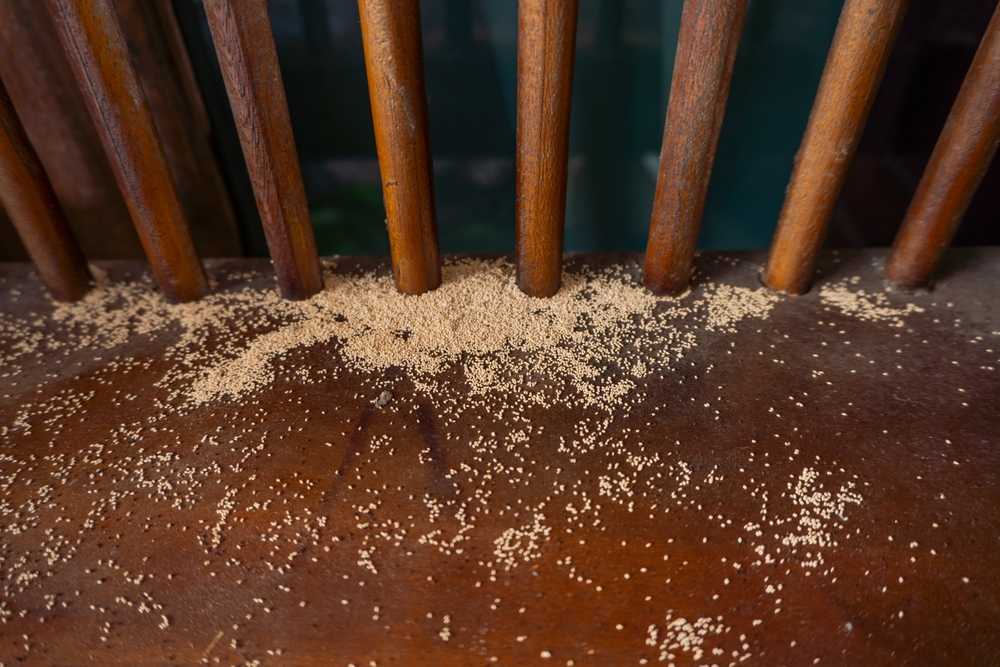
Identifying Termite Feces: Key Signs and Detection Tips
Termite feces, or frass, can be a telltale sign of a termite infestation. These tiny pellets are often found near wooden structures or entrances to termite colonies. In this article, you’ll learn to identify termite feces, understand their appearance, and discover how to handle an infestation.
- Check for termite feces near wooden structures and colony entrances as they are key indicators of an infestation.
- Different termite species have unique droppings: drywood termites leave granular frass while subterranean termites produce liquid foam.
- If you find termite droppings, it’s time to act quickly—contact a pest control professional to prevent extensive damage.
Where to Find Termite Feces
Termite feces, or termite excrement, are typically found near wooden structures, furniture, and the entrances to their colonies. These small piles of droppings, including termite poop, are often the first signs of a termite infestation. If you notice tiny mounds of what looks like sawdust or coffee grounds around your home, it’s time to take a closer look.
You’ll often find termite frass near damaged wooden structures or close to termite nests. These small mounds can be easily overlooked, but they are crucial indicators of termite activity. It’s essential to regularly inspect areas around your home where wood is present, such as window sills, wooden frames, and floor cracks, to catch these signs early.
Another key place to check is near termite colony entrances. Termites are known to push their droppings out through small holes, creating visible piles. Spotting these signs strongly indicates that termites have infested your wooden structures. Early detection can prevent a full-blown termite invasion and save you from extensive damage.
Appearance of Termite Droppings
Termite droppings, also referred to as drywood termite frass or termite pellets, have a distinctive appearance that sets them apart from other types of debris. They measure approximately 0.04 inches in length and have a uniform, granular texture, unlike the flaky nature of sawdust. This granular texture makes them look like small piles of ground pepper or finely ground coffee.
The appearance of termite droppings varies between different termite species. Drywood termite droppings typically appear as small mounds that resemble sawdust or pepper, whereas subterranean termites do not produce visible pellets. Instead, they create liquid foam, which can sometimes be an indication of their presence. Recognizing these differences helps identify the type of termite infestation you’re dealing with.
The color of termite droppings can range from light beige to black, depending on the type of wood the termites have been consuming. This color variation can help in identifying the source of the infestation and the extent of the damage. Finding light-colored or dark-colored frass should prompt immediate action to prevent further damage to your home.
Differences Between Termite Species’ Droppings
Different termite species produce distinctive droppings, which is a crucial aspect of identifying termite infestations. Drywood termite droppings, for example, resemble ground pepper due to their granular texture. Finding these types of droppings is a clear sign of a drywood termite infestation, which can be particularly damaging to wooden structures. Additionally, drywood termites can cause significant damage if left untreated.
On the other hand, subterranean termites do not leave visible droppings. Instead, they produce a liquid foam that can indicate their presence. Recognizing these variations in droppings between termite species is vital for effective pest management.
Knowing what to look for can help you take the right steps in controlling and eliminating these pests from your home.
Health Risks Associated with Termite Droppings
While termite droppings are generally non-toxic and do not carry pathogens that will harm you, they can still pose health risks. Contact with termite frass can cause skin irritation, so it’s important to handle them with care. If you find termite droppings, wearing gloves can help prevent any potential skin reactions.
Inhalation of dust from termite droppings may worsen respiratory issues, especially for individuals with asthma. The tiny particles released into the air can exacerbate asthma symptoms and lead to bronchitis in individuals who are sensitive to them. Cleaning up termite droppings carefully helps avoid stirring up dust.
Although termite droppings are not inherently dangerous, the presence of an active termite infestation can lead to significant structural damage and costly repairs. Promptly addressing the infestation can mitigate these risks and protect your health and home. If you suspect termite droppings are dangerous, it’s always wise to consult with a pest control professional to ensure the problem is handled effectively.
Identifying Fresh vs. Old Termite Droppings
Identifying the freshness of termite droppings can be challenging, as there are no visible signs to differentiate them. Whether fresh or old, termite droppings all look quite similar, making it difficult to determine their age just by looking at them. However, the presence of droppings alone indicates that an active infestation is still ongoing.
One way to gauge the activity level of termites is to monitor the droppings. If you clean up the droppings and they reappear after a short period, it’s a clear sign of ongoing termite activity. This reappearance suggests that the termites are still active and continuing to infest your home.
Both old and new droppings imply that termite activity could still be happening. Therefore, regular monitoring and immediate action upon discovering droppings are essential to control and eliminate the infestation. If unsure about the extent of the infestation, contact a pest control professional for a thorough evaluation and treatment plan.
Other Signs of Termite Activity
In addition to termite droppings, there are other telltale signs of termite activity that you should be aware of. One common sign is the presence of discarded termite wings around windows and doors. These wings are left behind by swarmers, indicating that a termite swarm has occurred nearby, and a new colony may be forming.
Mud tubes are another significant sign of termite activity. These small tunnels made of soil and wood serve as highways for subterranean termites, allowing them to travel between their colony and food sources. Checking for mud tubes along your home’s foundation and crawl spaces can help identify a subterranean termite infestation.
Hollow-sounding wood and small holes in drywall or plaster can also signify termite presence. Termites eat away at the inner structure of wood, leaving it hollow and weak. These small holes are often used by termites to push out their droppings or allow swarmers to exit.
Noticing any of these signs should prompt you to contact a pest control expert for a thorough inspection and treatment.
Proper Removal of Termite Feces
Removing termite feces properly maintains a clean and safe living environment. Begin by wearing protective gear, such as rubber or plastic gloves, a mask, and goggles, to prevent skin irritation and inhalation of dust. Always prioritize safety during the cleanup process.
The first step is to sweep up the droppings. Sweeping helps collect the granular frass without spreading it further. Once you’ve gathered the droppings, disinfect the area thoroughly to eliminate any remaining bacteria or viruses. Cleaning the affected area reduces the risk of health issues and ensures a hygienic environment.
If extensive infestations are discovered or if you are unsure about handling the cleanup, seek professional pest control services. Professionals have the expertise and equipment to effectively eradicate termites and clean up the droppings, ensuring your home is safe and termite-free.
When to Call a Professional
The presence of termite droppings is a clear indication of an active termite infestation. If you spot any signs of termites, such as droppings or mud tubes, it’s crucial to contact a pest control professional immediately. Early intervention prevents extensive damage and costly repairs.
Identifying termite droppings and understanding their implications are crucial steps in protecting your home from termite damage. By knowing where to look, recognizing the appearance of droppings, and understanding the differences between termite species, you can take proactive measures to address an infestation. Remember, early detection and proper cleanup can save you from extensive damage and potential health risks.
When you spot signs of pests such as termites or rats in toilets, don’t hesitate to contact a professional. Take action today and give yourself the peace of mind that comes with knowing your home is protected.
Frequently Asked Questions
What do termite droppings look like?
Termite droppings look like tiny, granular pellets similar to ground pepper or coffee and can be light beige to black in color. If you spot these, it could be a sign of a termite infestation.
Are termite droppings dangerous?
Termite droppings aren’t toxic, but they can irritate your skin and worsen respiratory issues, especially for those with asthma. So, it’s best to handle them carefully and clean up properly.
How can I tell if termite droppings are fresh or old?
Fresh termite droppings tend to look darker and are often found near active infestations, while old droppings are typically lighter and more powdery. If you clean them up and notice they come back, that’s a clear sign of ongoing termite activity.
What other signs indicate termite activity?
If you notice discarded wings, mud tubes, hollow-sounding wood, or tiny holes in your drywall, it’s likely there’s termite activity. It’s best to get a professional inspection to address the issue quickly.
When should I call a professional for termite control?
You should call a professional for termite control as soon as you notice any signs of termite activity, like droppings or mud tubes. Early action is key to preventing significant damage and saving on repairs.