House Cockroaches: Tips, Treatments, and Prevention
Learn how to identify house cockroaches and keep them away with simple, effective methods. Protect your home today with easy prevention tips.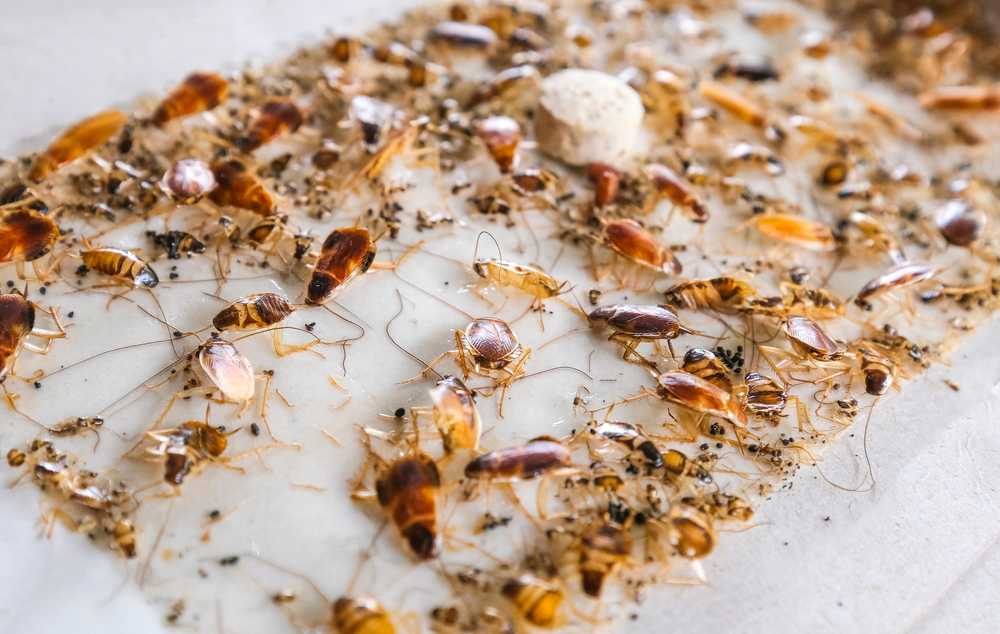
Dealing with a house cockroach infestation can be stressful and challenging. This article covers how to identify house cockroaches and offers seven practical tips to manage and prevent them effectively, helping you protect your home and health from these persistent pests.
- Identifying the specific type of cockroach is crucial for effective management, as different cockroach species have unique behaviors, life cycles, and reproductive rates. Knowing which species you are dealing with allows you to tailor your control strategies for the best results.
- Early detection of cockroach infestations through signs like live cockroaches, droppings, egg cases, shed skins, and musty or unpleasant odors helps prevent worsening conditions and enables timely intervention before the infestation becomes severe.
- Implementing cleanliness, sealing wall cracks and other entry points, and proper food storage are essential steps to prevent infestations and control cockroach populations. These preventive measures reduce the availability of food and shelter that cockroaches need to thrive.
Identifying Common House Cockroaches
Determining the specific type of cockroach is vital for managing an infestation effectively. Different cockroach species have unique characteristics and behaviors that influence control strategies. Common types found in homes include German, American, Oriental, Brown-banded, and smoky brown cockroaches.
Recognizing size, color, wing development, and habits can help identify the roach type, enabling the selection of effective treatment methods that target their specific hiding places and behaviors.
German Cockroaches
German cockroaches are small, light brown, and easily recognized by the two dark stripes on their pronotum. These prolific breeders can quickly lead to a large infestation as each adult female can produce multiple egg cases, each containing 30-40 eggs. They thrive in warm, humid environments like kitchens and bathrooms, often hiding in wall cracks, crawl spaces, and behind appliances. German roaches are particularly challenging to eliminate due to their rapid reproduction and ability to hide in tiny crevices.
Because they are nocturnal, these roaches often go unnoticed until the infestation becomes severe. Their ability to hide in the smallest of cracks makes them difficult to detect and control without targeted measures.
American Cockroaches
American cockroaches are one of the largest household cockroaches, growing over three inches long with a reddish-brown color and a yellow band behind their head. They have fully developed wings and can fly short distances. They are commonly found in warm, moist places such as kitchens, bathrooms, sewers, and crawl spaces.
Originally from Africa, these cockroaches may enter homes from the sewer system, especially during hot weather when they seek cooler, damp places. Their large size and fast movement can be alarming, and they are known to spread germs and contaminate food.
Oriental Cockroaches (Water Bug)
Oriental cockroaches, often called “water bugs,” are large and dark brown, with adult female cockroaches lacking wings and males having very short wings that do not enable flight. They prefer dark, moist places like basements, sewers, drains, and crawl spaces. Unlike some other species, Oriental cockroaches cannot fly.
Their preference for damp environments means they are often found near water sources, such as drains and leaky pipes, making moisture control an important part of managing their presence.
Brown-Banded Cockroaches
Brown-banded cockroaches are smaller and reddish-brown, commonly found higher up in rooms, preferring drier, warmer areas such as ceilings, electronics, and light fixtures. They are identifiable by the two light-colored bands across their wings and abdomen. Brown-banded cockroach nymphs are darker with cream bands and can be confused with other species.
Brown-banded cockroaches can be effectively managed using various baits and are less reliant on water than other species, which means they may infest areas where other cockroaches are less likely to thrive.
Smoky Brown Cockroaches
Smoky brown cockroaches are large, dark brown to almost black, and shiny. They prefer outdoor environments but can enter homes through gaps in windows and doors, often found in attics, garages, or brought in with firewood. They thrive in moist places with decaying organic matter and do not typically establish infestations indoors, but can cause unpleasant smells if present.
Their tendency to be outdoor dwellers means that managing vegetation and firewood storage near your home can help reduce their chance of entering indoors.
Pennsylvania Wood Cockroach
Another species to be aware of is the Pennsylvania wood cockroach, which is commonly found outdoors in wooded areas, logs, and stumps. While they generally do not infest homes, they may enter during the spring to mate or when attracted by lights. These cockroaches prefer damp environments and decaying organic matter but are less likely to establish indoor infestations.
Understanding their outdoor habitat allows homeowners to take measures such as reducing wood piles near the house to minimize their entry.
Signs of a Cockroach Infestation
Early recognition of cockroach infestation signs allows for swift action to prevent worsening conditions. Common indicators include live cockroaches, cockroach droppings, egg cases, shed skins, and musty or unpleasant odors.
These signs are often found in areas where cockroaches live and thrive, such as kitchens, bathrooms, crawl spaces, and basements.
Cockroach Droppings
Cockroach droppings are small, dark, and can resemble black pepper flakes or ground coffee. These droppings are typically found in areas where cockroaches are most active, like under kitchen sinks, behind appliances, and in cabinets.
Droppings clearly indicate an active infestation and require immediate action to get rid of cockroaches before the population grows.
Egg Cases and Shed Skins
Cockroaches lay egg cases, which are small, dark brown or black capsules often found in hidden places like behind appliances or inside cabinets. As cockroaches grow, they shed their exoskeletons, leaving behind tan-colored, rigid remnants.
Egg cases are critical to address because eggs hatch within weeks, leading to rapid population growth. Removing or treating these egg capsules helps prevent future infestations.
Musty or Unpleasant Odors
A distinctive musty or unpleasant odor is often associated with cockroach infestations. This smell, produced by their droppings, shed skins, and secretions, can become more pronounced as the infestation grows. This odor can alert you to cockroach presence, prompting further investigation and action.
Being aware of this musty odor can help detect infestations that might otherwise go unnoticed.
Health Risks Associated with Cockroaches
Cockroaches are more than just a nuisance; they pose significant health risks. These pests can contaminate living spaces and spread various germs and diseases. Recognizing the health hazards they pose helps in taking measures to protect your home and family.
Germs and Diseases
Cockroaches are notorious for spreading germs and diseases. They contaminate food and surfaces with bacteria that can cause foodborne illnesses like Salmonellosis and gastrointestinal infections. Cockroaches carry diseases and eat their way through various organic materials, increasing the risk of food poisoning.
Their ability to spread germs makes it essential to control infestations promptly to protect your household’s health.
Allergies and Asthma
Cockroach allergens can trigger allergies and exacerbate asthma symptoms in sensitive individuals. The allergens they release can trigger allergic reactions and increase the frequency of asthma attacks. Managing cockroach infestations protects individuals with respiratory conditions and improves overall indoor air quality.
Preventing Cockroach Infestations
To avoid the headaches of a cockroach infestation, maintain cleanliness, seal wall cracks and entry points, and store food properly. Implementing these measures can significantly reduce the chances of an infestation.
Maintain Cleanliness
Keeping your home clean is crucial in preventing cockroach infestations. Regular vacuuming eliminates food particles that cockroaches eat and thrive on. Cleaning under appliances and ensuring no dirty dishes or bread soaked in crumbs are left out can also reduce hiding spots.
Maintaining a clean home eliminates food sources, making it less inviting for cockroaches and reducing their ability to survive and reproduce.
Seal Entry Points
Sealing entry points is essential to prevent cockroaches from entering your home. Using caulk to seal wall cracks, weather stripping on doors, and ensuring windows are properly sealed can block their access.
Proper Food Storage
Proper food storage is vital in preventing cockroach infestations. Storing food in airtight containers prevents cockroaches from accessing it. This includes pet food, which should also be kept in sealed containers to avoid attracting these pests.
By limiting access to food sources, you make your home less hospitable to cockroaches, reducing the likelihood of infestation.
Effective Cockroach Control Methods
When prevention isn’t enough, effective control methods are necessary to handle a cockroach infestation. Sticky traps, bait stations with boric acid or other insecticides, and professional pest control are some of the most effective strategies to manage and eliminate these pests.
Each method has advantages and can be combined for better results.
Sticky Traps
Sticky traps are an effective tool for capturing cockroaches, particularly German cockroaches. These traps should be placed along walls or floors in warm, moist areas such as behind appliances or near water sources like kitchen sinks for optimal results.
Though useful for detecting cockroach presence, sticky traps alone may not suffice due to their high reproductive rate, so they should be part of an integrated approach.
Bait Stations
Bait stations are another effective method for controlling cockroach infestations. These stations contain both food and insecticide, attracting cockroaches to consume the poison and spread it back to their nests.
Safe for households, this method targets cockroaches directly, making it a reliable and efficient control option.
Applying Insecticides
Insecticides can be applied in cracks, crevices, and other hiding spots to eliminate cockroaches. However, care should be taken to use products safely and according to instructions to avoid health risks to humans and pets.
Rotating insecticide types can help prevent resistance in cockroach populations, improving long-term control success.
Long-Term Cockroach Prevention Strategies
Keeping a cockroach-free home requires ongoing effort and long-term strategies. Regular inspections and Integrated Pest Management (IPM) are crucial to preventing re-infestation.
Combining these approaches keeps cockroaches at bay and ensures lasting results.
Regular Inspections
Regular inspections help detect early signs of cockroach activity. Frequent checks in areas like kitchens, bathrooms, crawl spaces, and dark spaces can identify potential infestations before they become severe.
Sticky traps also aid in monitoring cockroach populations and identifying severe infestations, allowing timely intervention.
Integrated Pest Management
Integrated Pest Management (IPM) combines various control tactics to address cockroach issues while minimizing environmental impact. This approach includes sanitation, monitoring, and targeted pesticide application, creating a sustainable and effective pest control strategy.
Using IPM ensures long-term control and reduces the likelihood of future infestations, promoting a healthier home environment.
Managing a cockroach infestation involves identifying the species, recognizing the signs, understanding the health risks, and implementing effective prevention and control methods. By maintaining cleanliness, sealing entry points, and properly storing food, you can significantly reduce the chances of an infestation. If the problem persists, don’t hesitate to seek professional pest control services to ensure your home remains pest-free.
Frequently Asked Questions
Where do roaches come from?
Cockroaches often enter homes from outdoors, neighboring properties, or through packages, utilizing openings in walls, windows, doors, pipes, and vents. It’s crucial to seal wall cracks and other entry points to keep them out and prevent infestations.
Can a clean house get roaches?
Yes, a clean house can still have roaches, as they can find food and water easily even in well-maintained spaces. Regular cleaning helps but does not guarantee they won’t invade your home, especially if entry points are not sealed.
Why would I have one cockroach in my house?
Seeing one cockroach is often an indication that there may be more nearby, as they tend to hide during the day. It’s prudent to investigate further to prevent a potential infestation and take action promptly.
What do I do if I see a roach in my house?
If you see a roach in your house, remove its food sources and harborage areas, then consider contacting a pest control service for effective treatment. Taking immediate preventive measures can help avoid future infestations.
How can I identify the type of cockroach in my home?
To identify the type of cockroach in your home, examine specific characteristics such as size, color, wing development, and behavior patterns, focusing on common types like German, American, Oriental (water bug), Brown-banded, and smoky brown cockroaches. This detailed observation will help you pinpoint the exact species and choose the best management approach.