How to Get Rid of Roaches: Safe, Effective Home Solutions
Looking for roach pest control? Our proven methods remove infestations quickly and safely, giving you peace of mind.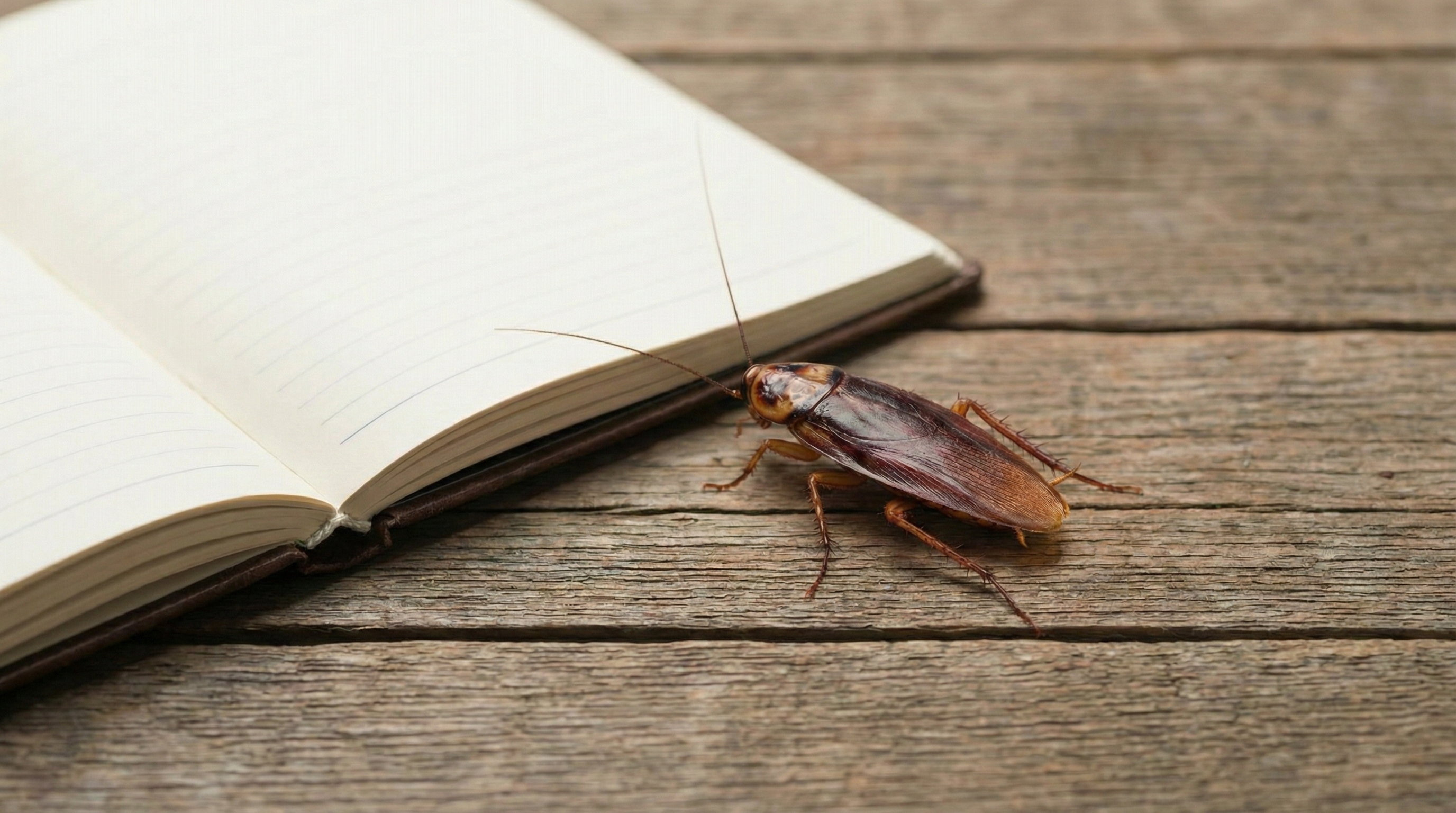
Ultimate Guide to Effective Roach Pest Control Solutions
Struggling with a roach infestation? Effective roach pest control can help you reclaim your home. This guide will cover identifying cockroach species, causes of infestations, and the best control methods. Find practical solutions to keep your home roach-free.
- Identifying cockroach species is essential for implementing targeted pest control strategies.
- Maintaining cleanliness, addressing food and water sources, and sealing entry points are key to preventing infestations.
- Combining various control methods, like gel baits and insect growth regulators, provides a more effective and long-lasting solution to cockroach problems.
Identifying Common Cockroach Species
Identifying the cockroach species in your home is crucial for effective pest control. Each species has unique behaviors and preferences that influence the control methods required. Recognizing these differences can significantly enhance your pest control strategy.
American Cockroach
One of the most notorious species is the American cockroach. These are the largest common household roaches, with adults growing up to 53 mm in length. Their reddish-brown bodies and yellow bands behind the head make them easily identifiable. Despite their size, American cockroaches are speedy runners and can be quite startling when discovered.
German Cockroach
German cockroaches, on the other hand, are much smaller, measuring only 13 to 16 mm. They are light brown and have two distinctive dark stripes behind their heads, making them one of the easiest species to identify. German roaches are particularly problematic because they reproduce quickly and are commonly found in kitchens and bathrooms.
Oriental Cockroach
Oriental cockroaches are another species you might encounter. These roaches are glossy and dark in color, with females growing up to 32 mm. Unlike other species, Oriental cockroaches typically cannot fly and are often found in cooler, damp areas such as basements and crawl spaces.
Causes of Cockroach Infestations
Understanding the causes of cockroach infestations is critical to preventing them. Cockroaches are attracted to environments that provide food, water, and shelter. By identifying and addressing these factors, you can significantly reduce the likelihood of an infestation.
Food and water availability are major attractants for cockroaches. These pests are opportunistic eaters and will consume anything from crumbs to pet food. Ensuring that food is stored in airtight containers and cleaning up spills promptly can help deter them. Additionally, fixing leaks and removing standing water sources can eliminate the water supply that cockroaches need to survive.
Cockroaches thrive in moist, dark crevices and areas with poor sanitary conditions. These environments provide the perfect breeding grounds for cockroach infestations. Regular cleaning and maintenance can help keep these areas uninviting for cockroaches. Outdoor roaches often hide in moist environments like leaf litter, mulch, and decaying wood, so maintaining a clean yard is also crucial.
Sanitation and exclusion techniques are essential in preventing new infestations. This includes sealing gaps around doors, windows, and plumbing to prevent cockroaches from entering your home. Eliminating their entry points and maintaining a clean environment makes your home less attractive to these pests.
Effective Cockroach Control Methods
When it comes to eliminating cockroaches, various control methods can be employed, each with its own set of advantages. Understanding these methods and how to use them effectively can make a significant difference in managing a cockroach infestation.
One of the most common methods is the use of insecticide products, including cockroach control products. These come in various forms, including aerosol sprays, insecticide concentrates, granules, and fogging products. Each type has its unique application and effectiveness, so choosing the right product for your specific situation is crucial. Rotating insecticide products regularly can also prevent cockroach populations from developing resistance to treatments.
Gel baits are another effective option, known for their rapid action. These baits utilize a desiccant to enhance their effectiveness and can start showing results in as little as seven days. Maximize their impact by using baits along with removing other food sources, encouraging cockroaches to consume the bait.
For long-term control, an integrated pest management (IPM) approach is recommended. This strategy combines multiple methods, including baits, sprays, and physical barriers, to achieve more comprehensive control. Regular monitoring for signs of cockroaches, such as droppings and shed skins, can help identify areas needing bait application and ensure the effectiveness of your control efforts.
Insect growth regulators (IGRs) can also play a vital role in cockroach control. These products inhibit the normal maturation of cockroach nymphs, preventing them from reaching reproductive maturity. By disrupting their life cycle, IGRs help reduce the overall population over time.
Professional vs. DIY Roach Control
DIY methods can work for minor roach activity, especially when paired with strong sanitation and targeted baits. However, recurring sightings, heavy activity, or roaches coming from hidden spaces like wall voids, crawl spaces, or multi-unit buildings often require professional help. A pest control professional can identify the species, locate harborage and entry points, and apply a coordinated treatment plan that targets the full infestation instead of just the roaches you see.
Indoor and Outdoor Areas Treatment
Effective roach control works best when you treat both inside and outside the home. Indoors, focus on kitchens and bathrooms where moisture and food are common, and target cracks, crevices, and hidden areas around appliances and plumbing. Outdoors, reduce harborage areas like wood piles, dense mulch, and clutter near the foundation, and treat common entry points around doors, vents, and utility lines. Combining indoor targeting with exterior prevention helps reduce repeat activity and lowers the chance of reinfestation.
Understanding the Cockroach Life Cycle
Understanding the cockroach life cycle is crucial for effective pest control. Cockroaches undergo three primary life stages: egg, multiple nymphal instars, and adult. Knowing these stages can help you target your control efforts more effectively.
Adult female cockroaches produce an egg case called an ootheca, which contains multiple eggs. The transition from egg to adult typically takes about 600 days, but this can vary depending on environmental conditions like temperature and humidity. Nymphs resemble adults but lack fully developed wings and reproductive ability.
The lifespan of cockroaches varies by species. For example, adult American cockroaches can live up to one year, with females producing around 150 offspring during their lifetime. Oriental cockroaches typically live for about six months. The full life cycle of a cockroach can span from a few months to more than one year, depending on the species and environmental conditions.
Understanding the cockroach life cycle helps you implement control measures that target each stage, reducing the overall population and preventing future infestations.
Preventing Future Infestations
Effective roach control starts with identifying the species and removing the conditions that support infestations, including food, water, and hiding places. Targeted methods like gel baits and insect growth regulators can reduce populations over time, especially when paired with sealing entry points and routine cleaning. Treating both indoor hot spots and exterior risk areas helps prevent reinfestation. If roaches persist or activity is widespread, professional treatment can speed results and address hidden sources.
Frequently Asked Questions
What are the most common cockroach species found in homes?
The most common cockroach species found in homes are American cockroaches, German cockroaches, and Oriental cockroaches. Identifying these species can help in effectively addressing an infestation.
Why do cockroaches infest homes?
Cockroaches infest homes primarily because of easy access to food, water, and shelter. Maintaining cleanliness and reducing moisture can help prevent infestations.
What are effective methods for cockroach control?
Effective cockroach control requires an integrated pest management (IPM) approach, utilizing insecticides, gel baits, and insect growth regulators, while ensuring consistent cleanliness in your environment. This combination will yield the best results in managing and preventing infestations.
Should I use professional pest control or DIY methods?
Using professional pest control is often the best choice for effective and lasting solutions, especially for significant infestations. However, DIY methods can be practical for minor issues and budget-conscious homeowners.
How can I prevent future cockroach infestations?
To prevent future cockroach infestations, keep food in airtight containers, seal gaps, fix any plumbing leaks, and reduce clutter in your home. Taking these steps will help you maintain a cockroach-free environment.