Where Do Cockroaches Come From? Common Causes in Homes
Learn where cockroaches come from, why they invade homes, and how to prevent them. Keep your living space safe and roach-free today.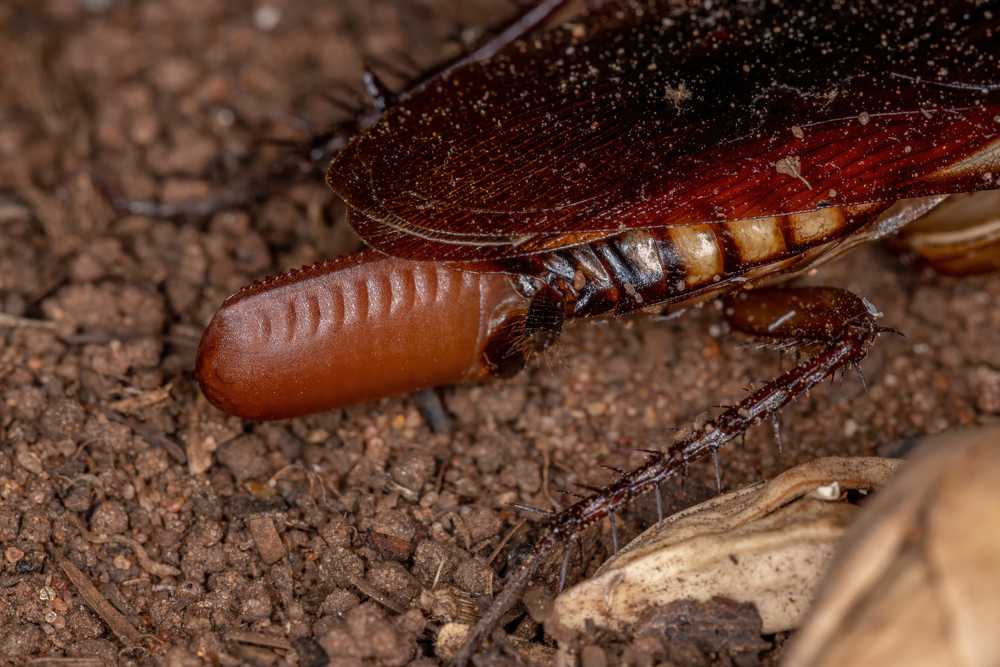
Where Do Cockroaches Come From? Learn How to Prevent Infestations
Where do cockroaches come from? The resilient pests enter homes by passing through cracks, plumbing pipes, and packages. Preventing cockroach infestations requires knowledge about their entry points and habits, as well as what draws them to your home. Read on to discover how to keep these pests from entering your living space and how to get rid of a roach infestation effectively.
- The four most common indoor cockroach species are German cockroaches, American cockroaches, Oriental cockroaches, and Brown-banded cockroaches, each with their own specific habitats and preferences.
- The pests can enter homes through very small crevices, plumbing systems, and even packages, so it is important to seal entry points to prevent infestations.
- Preventing contamination requires regular floor vacuuming, proper management of food and water particles, and scheduled inspections.
- Understanding cockroach hiding spots, their attractants, and food poisoning risks enables proper pest control methods.
Origins of Common Indoor Roaches
Cockroaches have existed as ancient insects since their ancestors first appeared during the Carboniferous period, around 320 million years ago. Their longevity is a testament to their adaptability and resilience. The most prevalent indoor roach species today consist of German cockroaches, American cockroaches, Oriental cockroaches, and Brown-banded cockroaches.
- German cockroaches prefer dark, humid spaces and commonly inhabit homes, especially kitchens and laundry rooms. These pests hide in cracks and crevices around cabinets, sinks, and appliances.
- Oriental cockroaches prefer cool, damp areas such as sewer drains, basements, bathrooms, and underneath patio bricks.
- American cockroaches usually inhabit sewer systems, storm drains, gutters, wet floor drains, and pipes located near water heaters.
- Brown-banded cockroaches hide in warmer, elevated spots, including closet shelves, high shelves, and behind electronic devices. Understanding the specific preferences of the brown-banded species helps in identifying potential problem areas in your home and how modern cockroach populations adapt to various environments.
The knowledge of common indoor roach origins and behaviors enables people to predict their arrival and take preventive measures against cockroach infestations.
How These Pests Enter Homes
These insects are adept at finding ways into homes through various entry points. The knowledge of their entry points enables you to stop a bigger infestation problem.
Cracks and Crevices
Cockroaches thrive in very small crevices and can enter through openings as small as 1/16 of an inch. The foundation walls and floors of buildings develop small openings over time, creating simple entry points. Sealing these points of entry is necessary to prevent cockroach infestations. Silicone-based sealants demonstrate exceptional effectiveness for sealing cracks, gaps, and openings because of their durable nature.
Doorways and Windows
These pests can slip under gaps in doors and windows, making these common entry points. A door sweep functions as an effective solution to block unwanted pests from entering through door gaps. Additionally, sealing gaps around doors and windows helps keep these invaders at bay.
Plumbing Pipes and Drains
The insects use drains and plumbing lines to enter homes, with American cockroaches specifically using these entry points. The pests can move between apartments through shared plumbing systems, so plumbing issues need to be addressed. Sealing wall cracks, screening vents and plumbing lines, plugging drains, and fixing leaky water pipes can stop them from traveling through plumbing into your home.
Packages and Grocery Bags
These pests often hitch rides on packages and deliveries, particularly in cardboard boxes, grocery bags, suitcases, and used furniture. Roaches use pheromones present in their feces to communicate with each other, and these pheromones can be absorbed by cardboard boxes, creating scent trails that attract other cockroaches. Inspecting grocery bags, cardboard boxes, luggage, and secondhand furniture before bringing them into the house helps prevent infestations. A single pregnant cockroach or an egg case can cause a significant infestation, emphasizing the importance of thorough inspection and careful handling of items brought inside.
Basements and Crawl Spaces
Basements are naturally dark and humid spaces with damp conditions, which appeal to cockroaches. Proper installation of ventilation and insulation systems reduces humidity levels, making basements less attractive. Routine inspections and addressing moisture issues are essential steps in pest prevention.
Neighboring Properties
In multi-unit buildings, pests can move between apartments through shared plumbing and structural pathways. Collaborating with neighbors and coordinating pest control efforts can enhance the effectiveness of eliminating cockroaches in densely populated urban areas.
What Attracts These Pests?
Cockroaches are mainly drawn to sources of moisture, leftover food, and food particles. They also prefer warm areas and cluttered spaces. The main factors that attract pests into homes include spilled food, dirty dishes, and standing water. Understanding what draws these invaders enables us to stop infestations.
Food and Water Sources
These insects are attracted to food sources such as starches, sweets, greasy substances, and pet food. German cockroaches prefer dark areas that provide easy access to food and water, commonly found in kitchens and bathrooms. Regular inspection of kitchen appliances and storing food in airtight containers prevents access to food sources. Avoid leaving dirty dishes out and clean up spilled food promptly. Managing pet feeding areas is also essential.
Warm and Humid Environments
Cockroaches thrive in warm areas with temperatures exceeding 70°F. High humidity levels, such as those found in bathrooms and kitchens, create ideal conditions. Reducing indoor humidity by fixing leaks and using dehumidifiers makes the environment less appealing.
Clutter and Hiding Places
Cluttered and dark environments provide ideal hiding spots. Regular cleaning, vacuuming floors, and organizing storage areas are key to maintaining a pest-free space.
Common Hiding Spots
Cockroaches choose to live in warm and moist environments, making kitchens and bathrooms their preferred hiding places. Dark, moist environments are frequent hiding spots, including under sinks, behind appliances, inside cabinets, and in tight crevices.
Kitchens and Bathrooms
German cockroaches often conceal themselves in spaces around kitchen appliances, such as behind the dishwasher and under the sink. These pests thrive best in dark and humid environments like kitchens and bathrooms. They are attracted to organic waste, so regular inspection and cleaning of these areas help reduce infestations.
Basements and Drains
Oriental cockroaches prefer cool, damp areas such as basements and wet floor drains. These areas provide the dark and moist environment they require to exist. Regular maintenance of basements and drains, along with proper moisture management, helps prevent infestations.
High Shelves and Electronics
Brown-banded cockroaches prefer warm, elevated areas above eye level, such as closet shelves. Regularly inspecting and cleaning high shelves and behind electronic devices helps prevent infestations.
Sewer Systems and Boiler Rooms
American cockroaches typically seek out warm and moist environments like sewer systems, boiler rooms, and areas around water heaters. Regular maintenance and addressing plumbing issues help prevent infestations in these areas.
Preventing Infestations
Maintaining cleanliness is crucial since even clean homes can attract pests if food and water sources are available. Sealing entry points and conducting regular inspections are essential preventative measures. Working with neighbors and consulting a professional pest control company can help prevent future infestations and effectively eliminate problems.
Take immediate action when signs appear by reaching out to a professional pest control service.
Preventing infestations requires knowledge about where pests come from, how they enter homes and buildings, what draws them in, and where they like to hide. Taking proactive steps, including pest control and seeking professional assistance when needed, will help you maintain a roach-free home. Other pest concerns require learning about them and seeking professional help. Take immediate action to safeguard your house before it becomes too late.
Frequently Asked Questions
Why should you never squish a cockroach?
You should never squish one because doing so can release eggs, leading to a larger infestation. It’s more effective to trap or remove them without causing egg dispersal.
Why do I have roaches in my clean house?
They can infest clean homes because they are attracted to environmental factors such as humidity and available food sources, regardless of sanitation. All potential attractants need to be addressed instead of focusing solely on cleanliness.
What is the main cause of roaches?
The primary reason is inadequate sanitation because food waste, grease, and garbage accumulate to attract them. Maintaining cleanliness is essential to prevent infestations.
What are the most common indoor roaches found in homes?
The most common indoor roaches found in homes are German cockroaches, American cockroaches, Oriental cockroaches, and Brown-banded cockroaches. Identifying these pests will help you effectively manage and eliminate infestations.
How can I prevent cockroaches from entering my home?
Prevention requires sealing all gaps in windows, walls, and pipes while keeping the area clean. This comprehensive approach establishes conditions that make it impossible for these pests to survive. For additional pest prevention, consider these scorpion-proofing tips to help seal your home against intruding pests.