Bee Removal: Safe, Responsible Options and What to Do Next
Learn safe bee control methods to protect your home and garden. Discover how to remove bees without harm and prevent future infestations.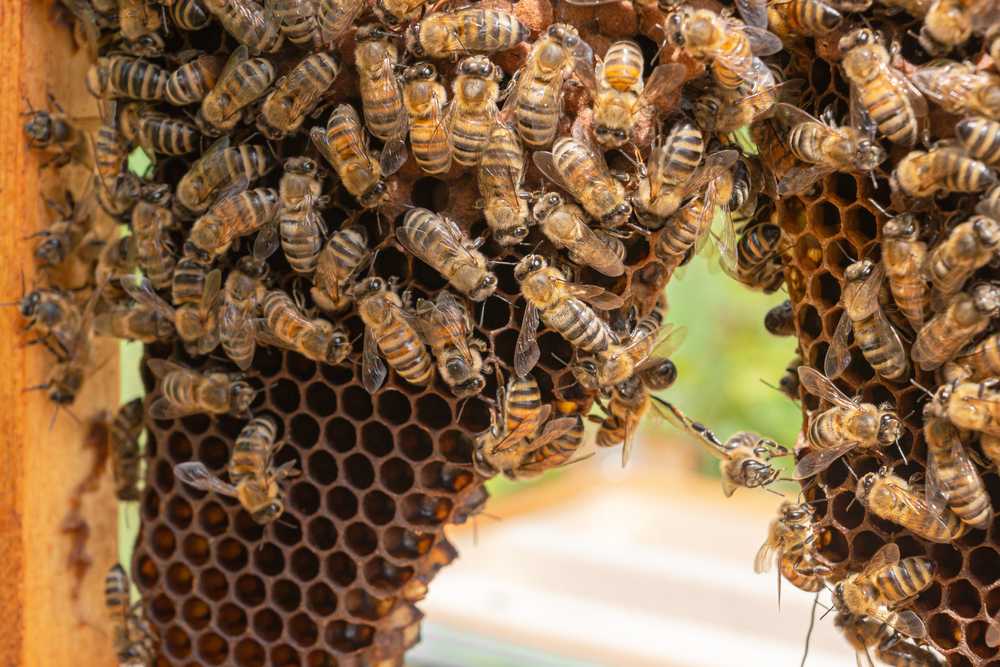
Effective Bee Control: Safe Techniques for Your Home and Garden
Dealing with bees in your home or garden? This guide to effective bee control will help you understand bee behavior, identify infestations, and remove them safely.
- Understanding bee behavior, including the differences between social and solitary species, is essential for effective management and control.
- Early identification of bee infestations, such as recognizing nesting signs and differentiating bee species, can prevent larger issues.
- Preventative measures, including yard maintenance, sealing entry points, and careful plant selection, are crucial for reducing the likelihood of bee infestations.
Understanding Bee Behavior
Understanding bee behavior is key to managing them effectively. Only about 5% of bee species are social, including honey bees and bumble bees, which form large colonies and can pose a stinging threat. Bumble bees, despite their beneficial role in pollination, are less significant for commercial crops compared to honey bees and typically have underground nests. Their life cycle involves the queen starting new nests in spring, with colonies containing only a few hundred bees by late summer.
Carpenter bees, on the other hand, are known for boring into wood to create nests, often preferring weathered, unpainted wood. Understanding these behaviors helps in identifying and managing different bee species around your home and garden.
Identifying Bee Infestations
Identifying bee infestations early can prevent larger issues down the line. About 70% of bee species create nests underground, which can often go unnoticed. Ground-nesting bees typically leave small mounds of excavated soil at their nest entrances, which differ from anthills. Bumble bees sometimes utilize existing burrows made by rodents for their nests.
Honey bee swarms, which can consist of thousands of bees, are generally docile unless provoked. Confirming that the insects are honey bees rather than wasps is important before contacting a bee removal service. Conducting a thorough property inspection helps identify the exact location and type of bees before any removal attempt.
Safe Bee Removal Techniques
Safety for both humans and bees is paramount in bee removal. Conducting a comprehensive property inspection identifies bee nests or swarms.
Using smoke is a common technique to drive honey bees away, as they perceive it as a sign of danger. Some beekeepers may remove swarms at little or no cost, though others might charge depending on the complexity of the removal.
Honey Bee Swarms
Honey bee swarms occur when a colony becomes overcrowded, leading to the formation of a new colony. These swarms can have between 20,000 and 60,000 individuals. Despite their large numbers, swarming honey bees are generally not aggressive and pose minimal threat as they search for a new home.
Professionals recommend wearing protective gear when attempting to remove honey bee swarms to ensure safety. Typically, beekeepers remove swarms by gently brushing or shaking bees into a container. This method ensures the bees are safely relocated without harm.
Ground Bees
Ground bees nest in the ground and can be aggressive, especially when their nests are disturbed. Approach ground bee nests with caution to ensure safety during removal. Always wear protective clothing and follow safe bee removal practices to minimize the risk of stings.
Understanding ground bee behavior and following appropriate safety measures is necessary when approaching them. Using professional services can often be the safest and most effective method to handle aggressive ground bees.
Carpenter Bees
Carpenter bees are known for boring holes into wood to create nests, which can cause significant damage to wooden structures. Removing carpenter bees involves sealing the holes and using preventive measures to protect the wood from further damage.
Preventing Bee Infestations
It’s often easier to prevent bee infestations than to deal with an established hive problem. Regular inspections around your home during peak swarm seasons can help identify and address potential nesting sites before they become established.
Covering food and trash and avoiding floral patterns and bright colors can help prevent attracting bees.
Yard Maintenance
A tidy yard helps prevent bee infestations. Removing debris and potential nesting sites can significantly reduce the likelihood of attracting bees. Mowing and trimming regularly minimize bee attractants like wildflowers.
Opting for plants less appealing to bees, such as marigolds and geraniums, along with non-flowering plants, can reduce bee activity in your garden. These steps create an environment that’s less inviting for bees while maintaining a beautiful garden.
Sealing Entry Points
Sealing entry points around your home effectively prevents bee infestations. Honey bees can enter homes through very small openings, so thorough inspection and sealing with caulk or foam are essential.
Additionally, sealing cracks in walls and wood structures prevents carpenter bees from nesting and causing damage.
Plant Selection
The right plant selection can manage bee attraction in your garden. Some ground-nesting bees are specialists that only pollinate specific types of flowers. Avoiding these plants reduces the likelihood of attracting bees to your garden, which attracts bees.
Emergency Bee Control Services
Sometimes, despite your best efforts, an emergency arises that requires professional intervention. Ground bees can be aggressive, so their removal should be handled with care, preferably by professionals. Wearing proper protective gear is recommended when dealing with aggressive ground bees.
When contacting professionals for bee removal, provide details about the swarm’s location, size, and accessibility so they come prepared with the right equipment. Bee removal services must adhere to state and federal agricultural regulations to ensure safe and effective practices.
Protecting Pets and Children
Keeping pets and children safe from bee stings is crucial. Lawn care practices like regular mowing and trimming can disturb bees and provoke aggressive behavior. Keep animals away from apiaries and bee colonies to prevent potential attacks.
Teach children to avoid disturbing bee nests by throwing rocks or poking them with sticks. If attacked by bees, leave the area quickly and seek shelter inside an enclosure like a car or house. Covering your face with your hands and arms provides additional protection during an attack.
Working with a Local Beekeeper
Collaborating with a local beekeeper can be a win-win situation. Honey bees are key pollinators for many crops, generating significant economic value. Local beekeepers manage hives to ensure bees receive essential resources for their survival, including pest management and feeding.
Partnering with bee removal services allows beekeepers to ensure that relocated bees are placed in a new location where they can thrive. This collaboration prevents harm to the bees during the removal process and supports local agriculture.
Effective bee control involves understanding bee behavior, identifying infestations early, and employing safe removal and preventive techniques. Regular yard maintenance, sealing entry points, and careful plant selection can significantly reduce the likelihood of bee infestations. In emergencies, professional bee control services are essential. Protecting pets and children involves teaching them safe practices around bees. Collaborating with local beekeepers ensures the safe relocation of bees, contributing to the health of our ecosystem.
Frequently Asked Questions
How can I identify honey bee swarms?
You can identify honey bee swarms by observing a large cluster of bees gathered together, often hanging from a branch or structure. These swarms are typically docile and searching for a new home.
What should I do if I find ground bees in my yard?
If you find ground bees in your yard, approach the area with caution and consider wearing protective clothing. It may be best to contact professional bee removal services to ensure safe handling.
How can I prevent bees from nesting in my home?
To prevent bees from nesting in your home, regularly inspect and seal cracks in walls and around utility and plumbing entry points using caulk or foam. This proactive approach will create barriers that discourage bee infestation.
Are there specific plants that attract bees?
Certain plants can indeed attract bees, particularly those that produce nectar and pollen. To encourage bee activity, consider incorporating a variety of flowering plants such as lavender, coneflowers, and sunflowers in your garden.
Why should I work with a local beekeeper for bee removal?
Working with a local beekeeper for bee removal is advantageous because they can safely relocate bees, ensuring their survival and supporting local agricultural ecosystems. This approach not only protects the bees but also fosters harmony within your community.