How to Get Rid of Bed Bugs: Safe, Effective Treatment Options
Effective bed bug removal starts here. Discover simple, proven ways to get rid of bed bugs and protect your home from these unwanted pests.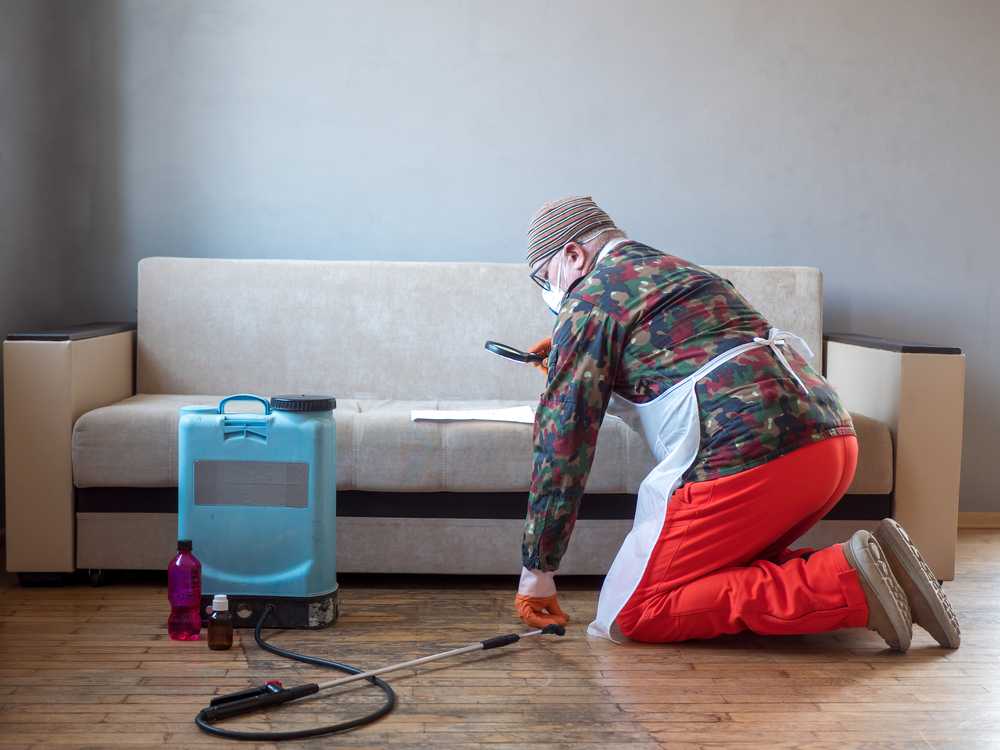
Effective Bed Bug Removal: Top Methods and Tips
Struggling with bed bugs? This guide on bed bug removal covers how to identify them, the best treatment methods, and tips to prevent future infestations.
- Understanding bed bug behavior and early detection are critical for effective control and prevention of infestations.
- A combination of non-chemical and chemical treatments, alongside thorough preparation, enhances the likelihood of successful bed bug eradication.
- Engaging professional exterminators may be necessary for persistent infestations, as they provide targeted treatment and comprehensive follow-up monitoring.
Understanding Bed Bugs
Bed bugs are small, reddish-brown insects that thrive in warm, humid environments, often making homes their preferred habitat. These resilient creatures can survive for months without feeding, which makes them particularly challenging to control, especially during a bedbug infestation. They are primarily attracted to carbon dioxide, body heat, and the smell of humans and animals, which they rely on to find their next blood meal. If you want to learn more about bed bugs and bed bug populations, understanding their behavior is essential.
One of the reasons bed bugs are so difficult to eliminate is their ability to hide in tiny cracks and crevices around the home. They are often found in places like mattresses, bed frames, and even behind wallpaper. The lifecycle of a bed bug, from egg to adult, can take between six to twelve months. During this time, female bed bugs can lay clusters of tiny white eggs, which are often hidden out of sight.
Early detection and a mix of treatment methods are crucial for controlling bed bugs. Large infestations can develop quickly and are harder to manage, but even smaller, less noticeable infestations can be problematic. Success in bed bug control hinges on understanding their behavior, taking proactive measures to eliminate and prevent future infestations, and following effective methods to prevent beetle infestations.
Identifying a Bed Bug Infestation
Early identification of a bed bug infestation is key to preventing its spread. One of the telltale signs of bed bugs is the presence of dark brown or reddish stains on bedding, which are actually their fecal matter. You might also notice a distinct musty odor, which can indicate a significant infestation.
These pests are adept at hiding in a variety of places, including the seams of mattresses, folds of curtains, and even inside electrical outlets. Common hiding spots also include box springs, carpets, and baseboards where bed bugs hide. To effectively find bed bugs, a thorough inspection is necessary, often requiring the keen eye of a professional exterminator.
Inspecting your luggage and clothing after traveling can help you avoid bringing bed bugs into your home. Early detection and intervention can save you from dealing with a widespread infestation and the extensive measures required to eliminate it.
Preparing for Bed Bug Treatment
Preparing your home is a crucial first step in the bed bug eradication process. Clearing clutter eliminates potential hiding spots for bed bugs and helps you get rid of bed bugs. Avoid moving items from infested areas to clean ones to prevent spreading the infestation.
All items in the infested room should be cleaned and inspected, and heavily infested items should be disposed of in sealed plastic bags. Moving the bed away from the wall and using bed bug-proof covers can help isolate the bed and prevent further infestations, especially if there is infested furniture present.
Caulking cracks and repairing wall damage can prevent bed bugs from finding new hiding spots. Such preparations can significantly enhance the effectiveness of subsequent treatments.
Non-Chemical Methods to Kill Bed Bugs
There are several non-chemical methods available to kill bed bugs, which can be effective and environmentally friendly. One of the most effective non-chemical methods is heat treatment. Treating clothing and bedding in a dryer at high heat for at least 30 minutes effectively kills bed bugs and their eggs, which is essential for killing bed bugs.
Steam cleaning uses high temperatures to kill bed bugs on contact and is another powerful method to remove bedbugs. Specialized equipment like the ZappBug heater can be used for comprehensive heat treatments that target larger items and spaces.
Diatomaceous earth is a natural powder that kills bed bugs by dehydrating them, and it’s effective because bed bugs cannot develop resistance to it. This powder works by disrupting the bed bugs’ waxy protective layer, leading to their death over a period of 7 to 17 days. It’s important to use food or pet-grade diatomaceous earth, as pool-grade varieties can be harmful to health.
Creating a barrier with diatomaceous earth can prevent bed bugs from crossing into specific areas, effectively creating a protective zone around your sleeping areas. These non-chemical methods can be combined for a more comprehensive approach to bed bug control, especially in sensitive environments.
Chemical Treatments for Bed Bugs
Chemical treatments are another option to eliminate bed bugs, and they can be particularly effective when used correctly. Insecticides registered with the EPA, such as neonicotinoids and insect growth regulators, are commonly used for bed bug control. Pesticides alone are insufficient and should be part of a broader integrated pest management plan for treating bed bugs.
Monitoring treated areas for signs of bed bug activity at least once every seven days is essential after chemical treatments. This ensures that any remaining bed bugs are detected and dealt with promptly, preventing the infestation from rebounding.
Professional Bed Bug Exterminators
If bed bugs persist despite your best efforts, calling a professional bed bug exterminator is a wise decision. Professional detection services offer more precise identification of bed bug infestations compared to DIY methods, ensuring no hidden bugs are missed.
Multiple sessions, typically three to four visits, are often required for complete eradication in professional bed bug treatments. Since each infestation is unique, pest control companies tailor treatment plans specifically to your situation, increasing the chances of success.
Preventing Future Bed Bug Infestations
Regular monitoring and proactive measures are key to preventing future bed bug infestations. Bed bug interceptors under bed legs capture bed bugs attempting to climb up and should be checked regularly. Inspections of mattresses, box springs, and furniture can catch early signs of bed bugs before they become a major problem.
Specialized covers for mattresses and box springs can prevent bed bugs from hiding and reproducing inside. Regular monitoring of your home and maintaining a clean environment are crucial steps in preventing future infestations.
Effective bed bug removal requires a multifaceted approach. Understanding bed bugs and their behavior, early detection, thorough preparation, and a combination of non-chemical and chemical treatments are all essential steps. Professional exterminators can provide the expertise needed for persistent infestations, and preventative measures can help keep your home bed bug-free.
Taking proactive steps and seeking professional help when necessary can save you a lot of time, stress, and discomfort. By following these guidelines, you can effectively manage and prevent bed bug infestations, ensuring a peaceful and healthy living environment.
Frequently Asked Questions
How to get rid of bed bugs?
To effectively eliminate bed bugs, wash all linens in hot water and dry them on high heat for at least 20 minutes. Then, encase your mattress and pillows in bed bug-proof covers. Additionally, declutter your space and seal any cracks or crevices in your home to prevent their return.
What scent kills bed bugs instantly?
Essential oils, particularly those like tea tree oil, are known to kill bed bugs instantly upon contact. For effective pest control, consider using these natural solutions.
What are the first signs of a bed bug infestation?
The first signs of a bed bug infestation typically include dark brown or reddish stains on bedding, a musty odor, and small bites on your skin. Addressing these symptoms promptly is crucial to prevent further spread.
How can I prepare my home for bed bug treatment?
To effectively prepare your home for bed bug treatment, clear clutter, thoroughly clean and inspect all items, and dispose of heavily infested items in sealed plastic bags, while also caulking any cracks and crevices. Taking these steps will enhance the treatment’s success.
What non-chemical methods can I use to kill bed bugs?
Heat treatment, steam cleaning, and applying diatomaceous earth are effective non-chemical methods to eliminate bed bugs. These approaches can help effectively manage infestations without relying on chemical products.