What Color Are Bed Bugs? Easy Identification Guide
Wondering what color bed bugs are? Learn how their shades change from eggs to adults so you can spot and stop them fast.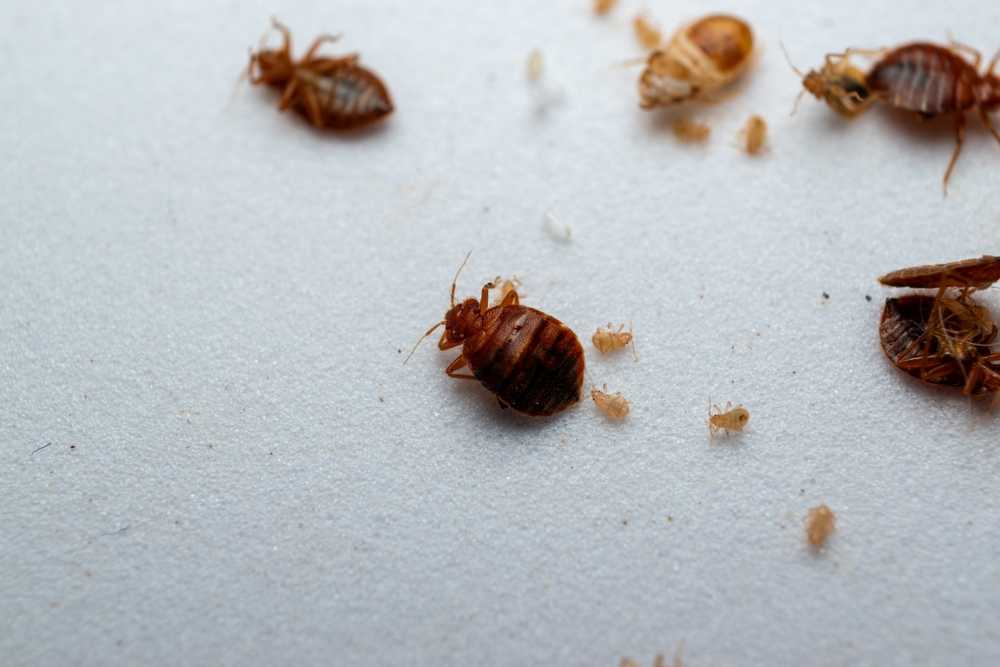
What Color Are Bed Bugs? Identifying These Pesky Pests
Wondering what color bed bugs are? Adult bed bugs are reddish-brown, nymphs are pale-yellow and then darken as they grow, and eggs are whitish. Understanding these colors helps you spot bed bugs at any stage of their life cycle.
Identifying Bed Bugs by Color
When it comes to identifying bed bugs, one of the most telling features is their color. Bed bugs come in different colors at various stages of their life cycle, making it crucial to recognize these variations.
Adult bed bugs are typically reddish-brown, but their color can change to a darker hue after feeding on blood. In contrast, bed bug nymphs start off translucent or pale-yellow and darken as they mature. Bed bug eggs, however, are whitish and resemble tiny grains of rice.
These distinctive colors can help you identify bed bugs at all stages of their development.
Adult Bed Bugs
Adult bed bugs are known for their reddish-brown color, which can appear darker after they have fed on blood. Their body color transitions from a light brown to a rust-red hue post-feeding, making them easier to spot if you’ve recently experienced bed bug bites.
These pests typically hide in areas close to where humans sleep, such as mattresses and bed frames, to ensure easy access to their food source. Recognizing these color changes helps identify an adult bed bug infestation promptly.
Bed Bug Nymphs
Bed bug nymphs, the younger stages of these pests, are initially translucent or pale-yellow. As they grow and undergo five molts, their color gradually darkens. This transformation from a nearly invisible state to a more noticeable yellow-white can help you identify younger bed bugs.
Often found in the same hiding spots as adult bed bugs, such as mattresses, bed frames, and other infested items, including female bed bugs, thorough inspections are critical during a major infestation.
Bed Bug Eggs
The eggs of bed bugs are another crucial indicator of an infestation. Whitish in color and resembling tiny grains of rice, these eggs measure approximately 1 mm in size and can be challenging to spot with the naked eye. Typically, they are laid in clusters in hidden areas like the seams of mattresses, bed frames, and box springs.
Early detection of these eggs can prevent an infestation from escalating.
Other Physical Characteristics of Bed Bugs
Aside from their color, bed bugs possess other physical characteristics that make them identifiable. These pests have six legs, which provide them with excellent mobility. A distinctive musty odor, often compared to a mix of raspberry and almond scents, may also accompany a bed bug infestation.
Additionally, their fecal matter leaves tiny, dark marks on various surfaces. Such traits can help identify a bed bug infestation.
Size and Shape
Adult bed bugs measure between 5-7 mm long, roughly the size of an apple seed. Their flat, elongated, oval-shaped bodies allow them to hide in small crevices and cracks. This bed bug size is a key feature that helps them remain undetected in various hiding spots, such as the seams of mattresses and furniture.
Knowing their size and shape helps in spotting these pests during an inspection.
Distinguishing Features
Bed bugs are known for several distinguishing features that aid in their identification:
- Their flat and elongated shape
- Their mobility
- The musty odor they emit
- The dark fecal spots they leave behind
These characteristics make them easier to recognize and can help pinpoint a bed bug infestation early on.
Signs of a Bed Bug Infestation
Recognizing the signs of a bed bug infestation is crucial for early detection and treatment. Common indicators include noticeable bites, fecal spots, shed skins, and blood stains on bedding. Bed bugs prefer to hide in areas that provide warmth and proximity to their food source, typically sleeping humans.
By being vigilant and looking for these signs, you can catch an infestation before it becomes a major problem.
Dark Spots on Bedding and Furniture
Dark spots on bedding and furniture are a telltale sign of bed bug activity. These spots are typically bed bug fecal matter, which appears dark brown or black. Bed bugs often hide in the seams and folds of upholstered furniture, making these areas prime spots for inspection.
Dark spots are a critical indicator of an early infestation.
Shed Skins and Shells
As bed bugs grow, they undergo a molting process, shedding their skins and leaving behind translucent shells. These shed skins can be found in common hiding spots, such as mattresses and upholstered furniture.
The presence of these shells indicates the potential for bed bug growth and the possibility of an infestation.
Blood Stains on Sheets
Blood stains on sheets are a clear indicator of bed bug activity. These stains, which can appear red or rust-colored, often result from crushed bed bugs after they have fed, similar to the effects of a blood meal. They can be found on bedding, clothing, and pillowcases, signaling recent bed bug feeding activity.
Blood stains, along with dark spots or shed skins, confirm a bed bug presence.
Where to Look for Bed Bugs
Identifying common bed bug hiding spots helps address an infestation. Bed bugs often inhabit locations with easy access to humans, such as beds, couches, and other furniture.
Inspect areas where you sleep, including the seams and tags of mattresses, behind headboards, and in furniture cracks. Tools like a flashlight and magnifying glass can aid in your inspection.
Mattress and Box Spring
Examining the seams, tufts, and folds of mattresses and box springs is critical for detection. These pests can hide in the tags and seams, making thorough inspections essential.
Translucent, yellow shells left by bed bugs can indicate their presence.
Upholstered Furniture
Upholstered furniture is a common hiding spot for bed bugs. Check the seams, tufts, and folds of chairs and sofas for signs of bed bugs and their debris. Don’t forget to check the frames and under the cushions, as bed bugs can hide in these less visible areas.
A thorough inspection can help in early detection and prevention of bed bug infestations.
Bed Frames and Headboards
Bed frames and headboards are often overlooked during inspections but can provide significant hiding spots for bed bugs. These pests may hide in the joints and crevices of bed frames and behind headboards.
Thoroughly examining these areas helps in detecting and addressing a bed bug infestation.
How to Confirm a Bed Bug Infestation
Confirming a bed bug infestation is key to preventing escalation. Identifying bed bugs quickly and taking immediate action is essential. Professional inspections and DIY detection methods can help confirm an infestation.
Accurate identification and extent assessment are provided by professional services, while DIY methods like traps and visual inspections assist in early detection.
DIY Detection Methods
In addition to professional help, DIY detection methods can also assist in identifying bed bugs. Using adhesive traps placed in strategic locations can catch and confirm the presence of bed bugs. Visual inspections with a flashlight can uncover bed bugs hiding in dark crevices and seams of mattresses and furniture.
Combining traps with visual inspections enhances your chances of successfully identifying a bed bug infestation.
Preventing and Treating Bed Bug Infestations
Taking a proactive approach is crucial when preventing and treating bed bug infestations. Adult bed bugs can live between four to six months, and under optimal conditions, they may survive up to a year. Therefore, timely treatment is crucial.
Prevention tips include inspecting luggage and second-hand items before bringing them into your home, while treatment options involve both professional pest control services and DIY methods.
Prevention Tips
Taking preventive measures is the first step in managing bed bugs. Avoid placing clothing or bags on hotel beds or floors to minimize the chance of bed bugs hitching a ride. Avoid placing clothing or bags on hotel beds or floors to minimize the chance of bed bugs hitching a ride. Inspect second-hand furniture thoroughly before bringing it into your home, and ensure any new mattresses are delivered sealed.
Regularly inspecting and laundering bedding with hot water can disrupt potential bed bug populations and assist in detection. Using bed bug-proof encasements on mattresses and box springs can significantly reduce the risk of infestations.
Treatment Options
Treatment options for bed bug infestations include professional pest control services and DIY methods. If you’ve found a baby scorpion in the house, prompt professional pest control action is advised.
Professional extermination combines chemical treatments and heat applications, with potential follow-up visits for complete eradication. Heat treatment effectively kills bed bugs and their eggs in infested areas.
Identifying and addressing bed bug infestations early is crucial for maintaining a healthy and comfortable living environment. By understanding their color, physical characteristics, and common signs of an infestation, you can take proactive steps to manage and prevent bed bug issues. If you suspect a bed bug infestation, consider professional inspection and treatment options. Don’t let these pesky pests take over your home—take action today.
Frequently Asked Questions
What color are adult bed bugs?
Adult bed bugs are usually reddish-brown, but their color can darken after they have fed on blood.
How can I identify bed bug nymphs?
You can identify bed bug nymphs by their translucent or pale-yellow color when they are young, which darkens as they mature through five molts. Keep an eye out for their small size and distinctive shape as they develop.
What do bed bug eggs look like?
Bed bug eggs are whitish, resemble tiny grains of rice, and measure about 1 mm in size. They are small and can be easily overlooked, so careful inspection is necessary.
Where should I look for bed bugs in my home?
To effectively find bed bugs, check the seams and tags of your mattress, behind the headboard, and in cracks of furniture. These areas are commonly used as hiding spots by bed bugs.
What are some prevention tips for bed bugs?
To effectively prevent bed bugs, avoid placing clothing or bags on hotel beds and floors, inspect second-hand furniture thoroughly, use bed bug-proof encasements, and regularly wash bedding in hot water. Implementing these practices will help protect your living space from infestations.